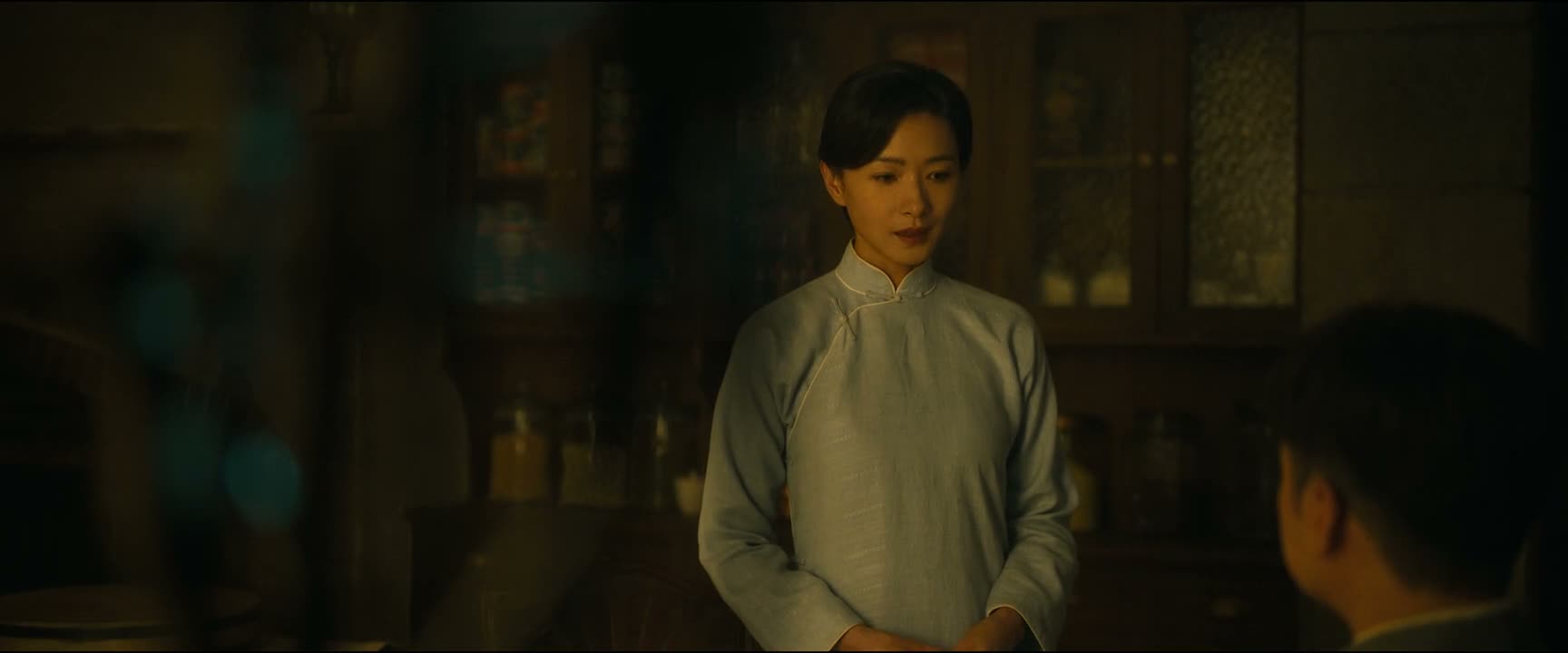
《Unveil: Jadewind》 S1·E16 (03:40)
HSK 7
tā píng rì dōu áo dào hài shí zěn me jīn wǎn shuì dé zhè me zǎo ?
她平日都熬到亥时 怎么今晚睡得这么早?
“She's usually up past the Hai Hour. Why did she turn in so early tonight?”
《Unveil: Jadewind》
S1·E16
TIMECODE: 03:40
·
1080P MASTER AUDIO
THE DIALOGUE REEL
[-1] PREVIOUS TURN
- xiàn zhǔ ne ? - xiàn zhǔ huí fáng shuì le
- 县主呢? - 县主回房睡了
“- Where's Her Ladyship? - She went back to her room to sleep.”
tā píng rì dōu áo dào hài shí zěn me jīn wǎn shuì dé zhè me zǎo ?
CURRENT FOCUS
她平日都 熬到亥时 怎么 今晚 睡得这么早 ?
“She's usually up past the Hai Hour. Why did she turn in so early tonight?”
[+1] FOLLOW-UP TURN
nǐ shēng bìng le ?
你生病了?
“You're sick?”
Subtitles synced to millisecond timecode
Browse Show Clips →
Scene:
Daily Life
Function:
EXPRESSING SUSPICION
Tone:
CURIOUS AND SUSPICIOUS
Emotion:
CONFUSION
WHAT THEY REALLY MEAN (PRAGMATIC SUBTEXT)
“Something must be wrong—this sudden change in routine is unnatural.”
💡 Cultural Insight: Shichen (Traditional Two-Hour Time Periods)
The hour of Hai (亥时) corresponds to 9:00 PM to 11:00 PM in the traditional Chinese 12 two-hour time system, widely used in historical dramas to benchmark daily routines.
INTENT TAGS:
#inquiry
#suspicion
#routine_deviation
#concern
🧩
2 CHUNKS · 0 PARTICLES
LEARNING CHUNKS & PARTICLES
熬到
SPOKEN CHUNK
to endure or stay up until
Refers to staying awake late into the night or enduring until a specific point in time.
睡得这么早
SPOKEN CHUNK
to go to sleep so early
Used to remark on an unusually early bedtime.
🏮
3 EXPR · 0 GRAMMAR
VOCABULARY & EXPRESSIONS
COLLOQUIAL EXPRESSIONS:
CROSS-CINEMA CORPUS BOARD · PARALLEL SCENES
EXPLORE BY SEMANTIC SIMILARITY
Parallel Spoken Cinema Scenes (语义近邻切片)
《Unveil: Jadewind》 S1·E16 (03:40) · Authentic Cinema Dialogue Corpus