MC
MandarinClips Cinema Corpus
《Vanished Name》 S1·E2 (12:37) HSK 1
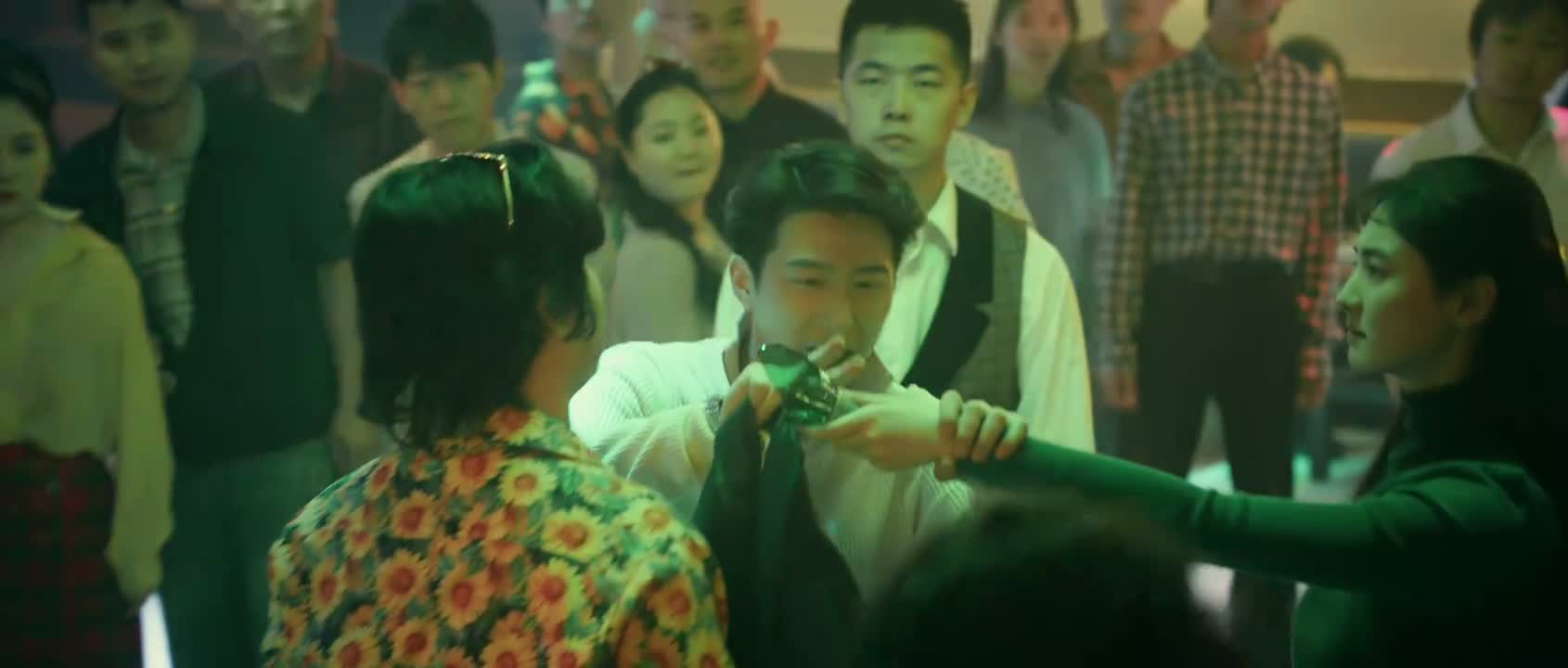
nǐ ne nǐ zǎ zài zhè ér ne

你呢 你咋在这儿呢

“And you? What are you doing here?”

《Vanished Name》 S1·E2
TIMECODE: 12:37 · 1080P MASTER AUDIO

THE DIALOGUE REEL

1+1+1 SPOKEN CONTINUITY
[-1] PREVIOUS TURN huí qù lù shàng kàn zhè yào chāi le jiù jìn lái kàn kàn

回去路上看这要拆了 就进来看看

“I saw it was about to be torn down on my way back, so I came in to look.”

nǐ ne nǐ zǎ zài zhè ér ne CURRENT FOCUS

你呢 你咋在这儿呢

“And you? What are you doing here?”

[+1] FOLLOW-UP TURN nǐ méi kàn jiàn nà dǐ xià shá qíng kuàng a wā chū jù shī tǐ wā chū jù shī tǐ

你没看见那底下啥情况啊 挖出具尸体 挖出具尸体

“Haven't you seen what's going on down there? They dug up a corpse. Dug up a corpse? Really?”

Subtitles synced to millisecond timecode Browse Show Clips →
Scene: Daily Life
Function: RECIPROCAL QUESTIONING
Tone: CASUAL
Emotion: CURIOSITY
WHAT THEY REALLY MEAN (PRAGMATIC SUBTEXT)

Direct spoken expression in this communicative setting.

💡 Cultural Insight: Casual Neighborly Inquiries

Asking 'Why are you here?' upon an unexpected encounter is standard small talk in Chinese communities, showing natural curiosity rather than suspicion.

INTENT TAGS: #inquiry #casual_question #curiosity #reciprocation
🧩

LEARNING CHUNKS & PARTICLES

2 CHUNKS · 1 PARTICLES
你呢 SPOKEN CHUNK

and you? / what about you?

An essential conversational bounce-back phrase to return a question.

咋在这儿 SPOKEN CHUNK

how come you are here?

A highly colloquial northern Mandarin way of asking why someone is at a particular place.

Modal Particle「呢」 (ne) CHANGE OF STATE

Bounces the topic back and maintains a brisk, inquiring conversational rhythm.
🏮

VOCABULARY & EXPRESSIONS

2 EXPR · 0 GRAMMAR
CROSS-CINEMA CORPUS BOARD · PARALLEL SCENES

Parallel Spoken Cinema Scenes (语义近邻切片)

EXPLORE BY SEMANTIC SIMILARITY
《Vanished Name》 S1·E2 (12:37) · Authentic Cinema Dialogue Corpus