我怎么了吗 你还怎么了
“What did I do? What did you do?”
THE DIALOGUE REEL
我看是你不够朋友啊 你闭嘴吧你 你既得利益者
“I think you're the worst friend. Shut up, you! You're the one who benefits the most!”
我怎么了吗 你还怎么了
“What did I do? What did you do?”
“You've got money. You're the richest one here.”
“I did nothing wrong, so back off and stop blaming me!”
Repeating the opponent's question with '你还...' is a common linguistic pattern in Chinese arguments to mock their feigned innocence.
LEARNING CHUNKS & PARTICLES
What's wrong with that? What did I do?
Used defensively when challenged, implying that one's behavior is completely justifiable.
How can you even ask what's wrong?
A retort repeating the previous speaker's words to point out how absurdly oblivious or hypocritical they are being.
Turns the statement into a rhetorical question to challenge the listener's criticism.
VOCABULARY & EXPRESSIONS
Parallel Spoken Cinema Scenes (语义近邻切片)
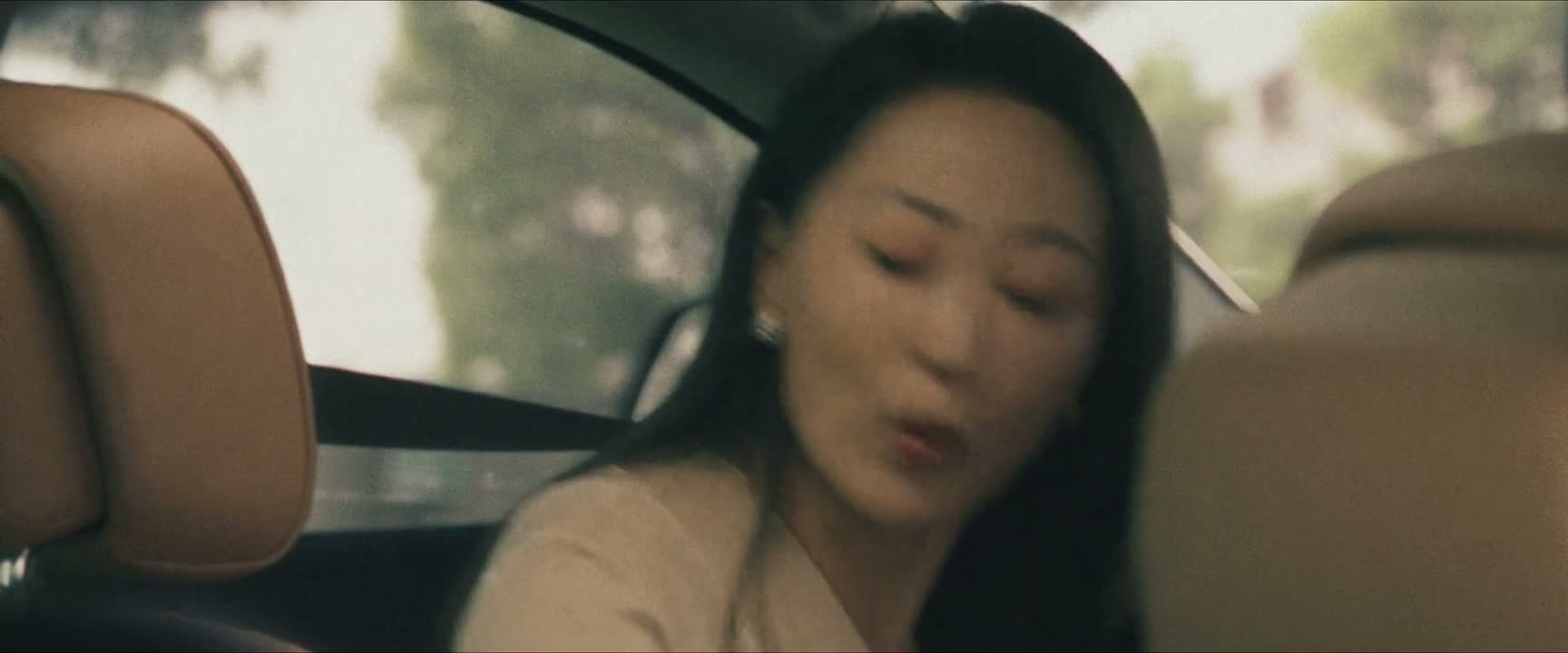
“What did I do wrong? Spare me that crap.”

“Yeah. Why?”

“What did I do to you? I just broke up with you.”

“What can you do? What can you do?”

“What's wrong?”
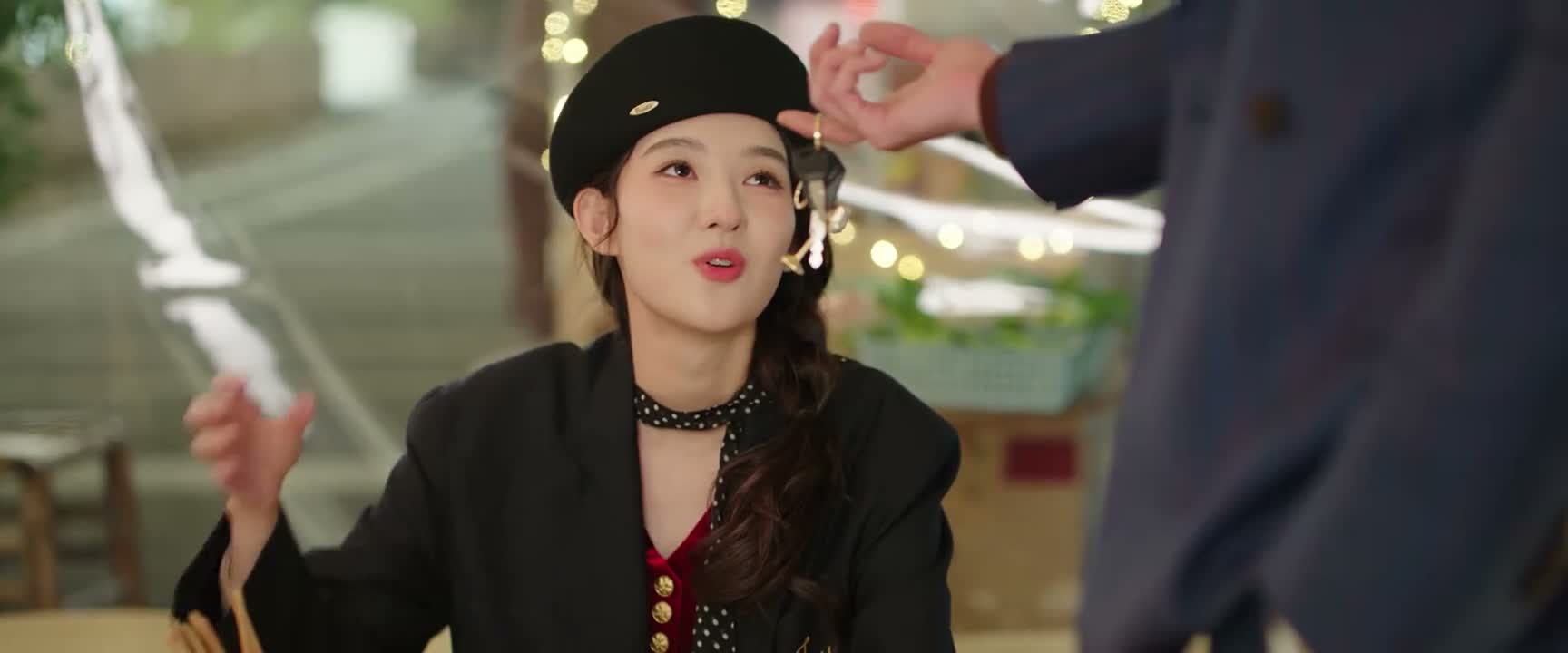
“How could I be so careless?”