MC
MandarinClips Cinema Corpus
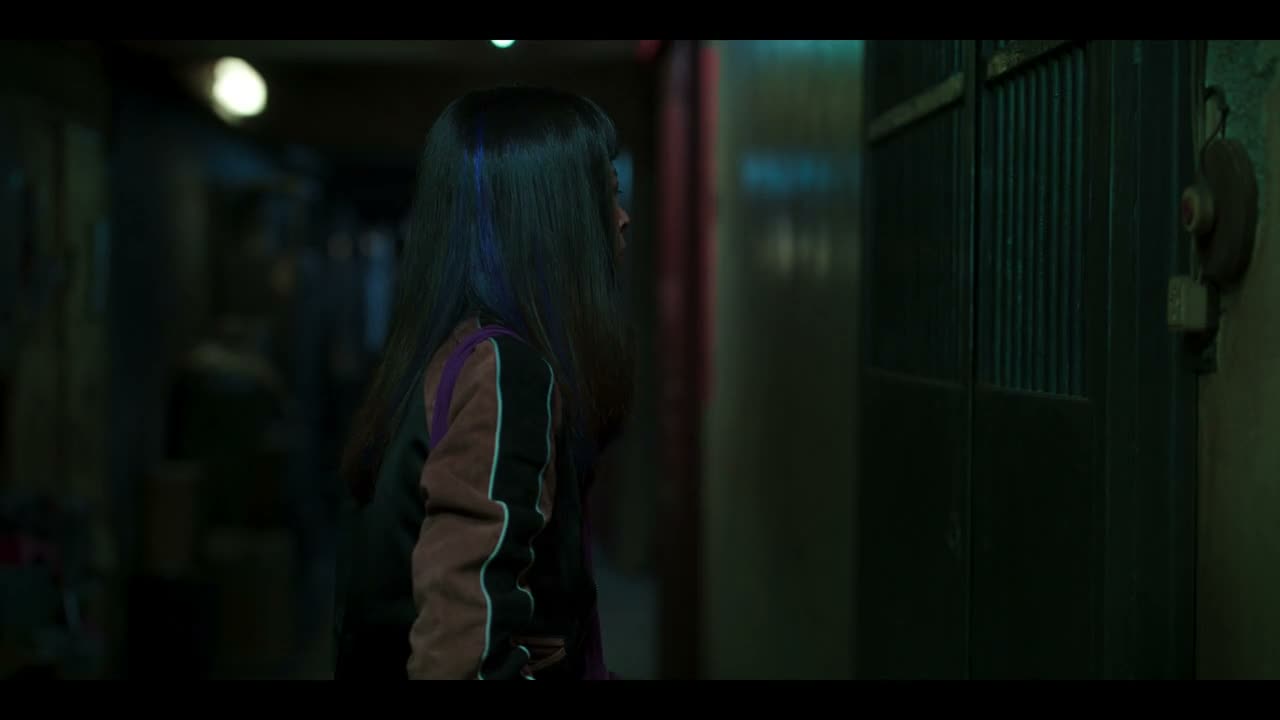
《Dog Man》 S1·E6 (27:31) HSK 7
xiōng pì xiōng a ? bù pāi jiù bù pāi ma

凶屁凶啊?不拍就不拍嘛

“Why are you snapping? Fine, I'll stop.”

《Dog Man》 S1·E6
TIMECODE: 27:31 · 1080P MASTER AUDIO

THE DIALOGUE REEL

1+1+1 SPOKEN CONTINUITY
[-1] PREVIOUS TURN nǐ bú yào zài pāi le la

你不要再拍了啦

“Stop filming!”

xiōng pì xiōng a ? bù pāi jiù bù pāi ma CURRENT FOCUS

凶屁凶 啊? 不 拍 就不 拍嘛

“Why are you snapping? Fine, I'll stop.”

[+1] FOLLOW-UP TURN méi yǒu wǒ xiōng wǒ zì jǐ a

没有 我凶我自己啊

“No, I meant me…”

Subtitles synced to millisecond timecode Browse Show Clips →
Scene: Social & Dating
Function: FEIGNING OFFENSE
Tone: PETULANT
Emotion: ANNOYANCE
WHAT THEY REALLY MEAN (PRAGMATIC SUBTEXT)
“Fine, I will stop, but you do not have to be so rude about it!”
💡 Cultural Insight: Sa-jiao (Pouting and Playful Sulking)

In close relationships, complaining with colloquial slang like '屁' often functions as teasing or coquettish pushback rather than true hostility.

INTENT TAGS: #petulance #protesting_attitude #reluctant_compliance #bickering
🧩

LEARNING CHUNKS & PARTICLES

2 CHUNKS · 2 PARTICLES
凶屁凶 SPOKEN CHUNK

what are you acting so fierce for

A highly colloquial, informal, often Taiwanese Mandarin slang pattern ('Verb + 屁 + Verb') used among close friends or partners to protest snappiness.

不...就不... SPOKEN CHUNK

if not [verb], then so be it; fine, I just won't

Expresses petulant compliance or defiant surrender after a complaint.

Modal Particle「啊」 (a) CHANGE OF STATE

Heightens the rhetorical challenge and emotional sharpness of the complaint.

Modal Particle「嘛」 (ma) CHANGE OF STATE

Softens the petulant surrender, signaling reluctant acquiescence.
🏮

VOCABULARY & EXPRESSIONS

2 EXPR · 1 GRAMMAR
CROSS-CINEMA CORPUS BOARD · PARALLEL SCENES

Parallel Spoken Cinema Scenes (语义近邻切片)

EXPLORE BY SEMANTIC SIMILARITY
《Dog Man》 S1·E6 (27:31) · Authentic Cinema Dialogue Corpus