MC
MandarinClips Cinema Corpus
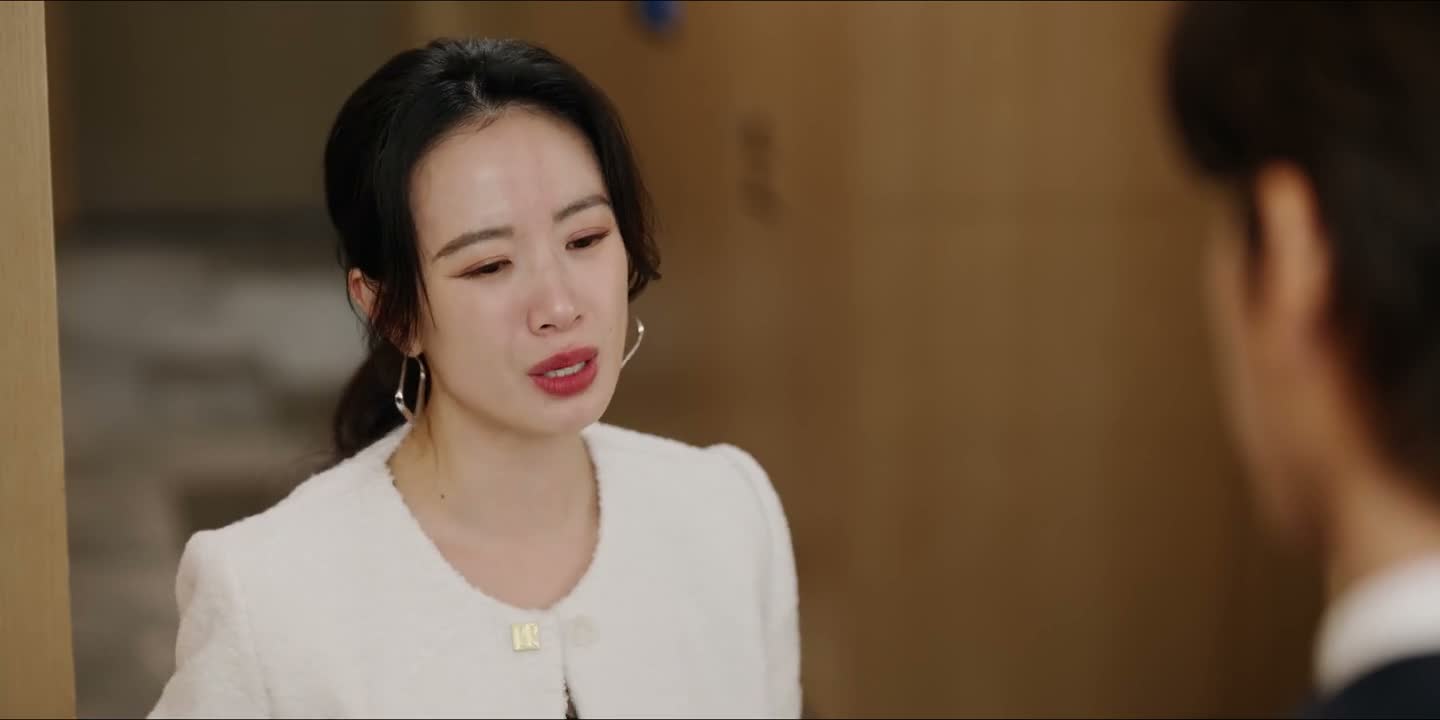
《Unveil: Jadewind》 S1·E25 (07:35) HSK 6
wǒ bī tā men le ma ? dōu shì tā men zì yuàn de

我逼他们了吗?都是他们自愿的

“Did I force them to pay me? They paid me willingly!”

《Unveil: Jadewind》 S1·E25
TIMECODE: 07:35 · 1080P MASTER AUDIO

THE DIALOGUE REEL

1+1+1 SPOKEN CONTINUITY
[-1] PREVIOUS TURN tā men biǎo shì yī xià xiè yì zěn me le ?

“What's wrong with taking some tokens of gratitude?”

wǒ bī tā men le ma ? dōu shì tā men zì yuàn de CURRENT FOCUS

我逼他们了吗?都是他们 自愿的

“Did I force them to pay me? They paid me willingly!”

[+1] FOLLOW-UP TURN nǐ yào shì xiǎng yào

你要是想要

“If you want it,”

Subtitles synced to millisecond timecode Browse Show Clips →
Scene: Crisis & Conflict
Function: DEFENDING ONESELF
Tone: SHARP AND ASSERTIVE
Emotion: DEFENSIVENESS
WHAT THEY REALLY MEAN (PRAGMATIC SUBTEXT)
“Stop judging me; they gave it willingly, so I did nothing wrong.”
💡 Cultural Insight: Renqing and Gift Reciprocity

In Chinese social interactions, offering gifts or thanks often straddles voluntary gratitude and social obligation; claiming actions are purely voluntary is a classic defense to avoid accusations of corruption or coercion.

INTENT TAGS: #defensiveness #deflection #justification #self_exoneration
🧩

LEARNING CHUNKS & PARTICLES

2 CHUNKS · 2 PARTICLES
自愿 SPOKEN CHUNK

voluntary / of one's own free will

Commonly used to emphasize that an action was chosen without coercion or force.

逼 SPOKEN CHUNK

to force / to compel

A strong verb used in rhetorical questions like '我逼你了吗?' to deny exerting undue pressure.

Modal Particle「吗」 (ma) CHANGE OF STATE

Forms a rhetorical question to vigorously deny having used force.

Modal Particle「的」 (de) CHANGE OF STATE

Emphasizes the categorical nature of the attribute 'voluntary' in a cleft construction.
🏮

VOCABULARY & EXPRESSIONS

1 EXPR · 0 GRAMMAR
COLLOQUIAL EXPRESSIONS:
CROSS-CINEMA CORPUS BOARD · PARALLEL SCENES

Parallel Spoken Cinema Scenes (语义近邻切片)

EXPLORE BY SEMANTIC SIMILARITY
《Unveil: Jadewind》 S1·E25 (07:35) · Authentic Cinema Dialogue Corpus