您是不是找错地方了
“Did you come to the wrong place?”
THE DIALOGUE REEL
我是卖海鲜干货的
“I sell dried seafood.”
您 是不是 找错地方了
“Did you come to the wrong place?”
以前这儿的住客呢
“What about the previous tenants?”
“You definitely have the wrong place; I am not who you are looking for.”
Phrasing a correction as a question with '是不是' preserves face for the mistaken stranger rather than bluntly telling them they are wrong.
LEARNING CHUNKS & PARTICLES
is it possible that / isn't it the case
Used as a conversational hedge to gently suggest an awkward truth without sounding accusatory.
come to the wrong place / got the wrong address
Standard idiomatic phrase used whenever someone misjudges a location.
Marks the change of state or completion of the mistaken action.
VOCABULARY & EXPRESSIONS
Parallel Spoken Cinema Scenes (语义近邻切片)

“Did you get the wrong place? That's impossible.”

“I'm afraid you might be looking in the wrong direction.”
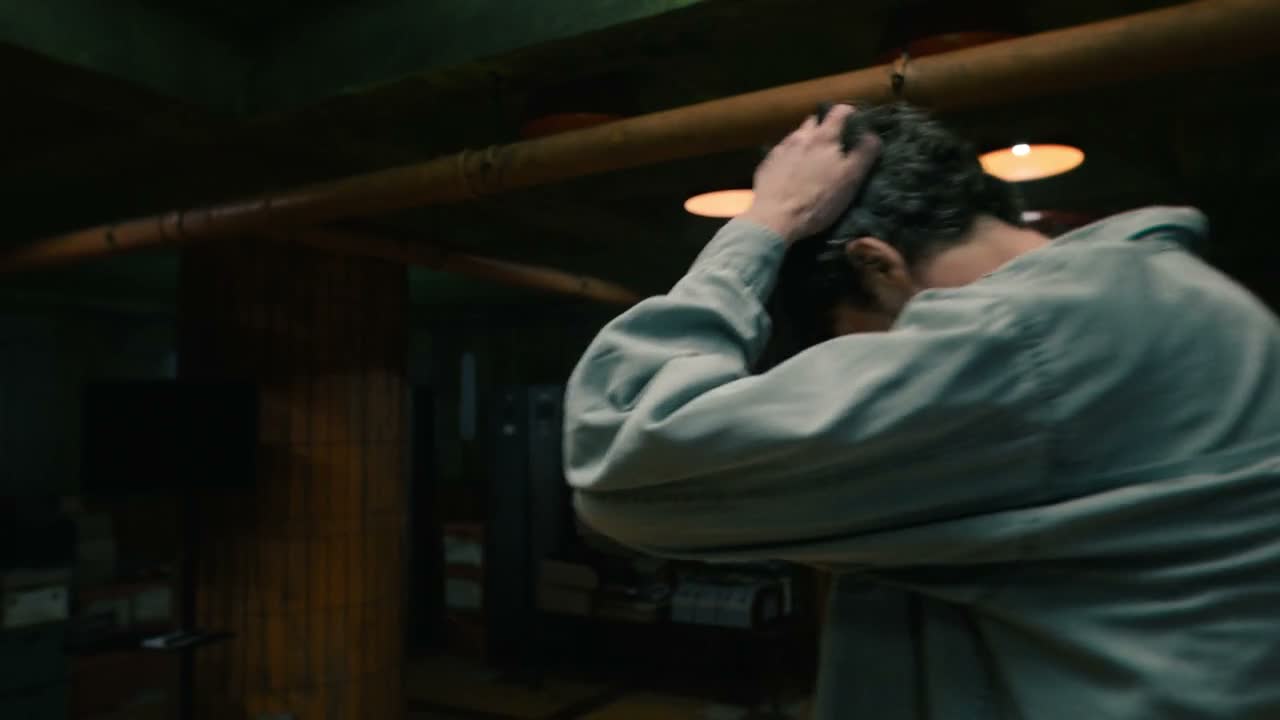
“[man snickers] I'm not sure I'm in the right place.”
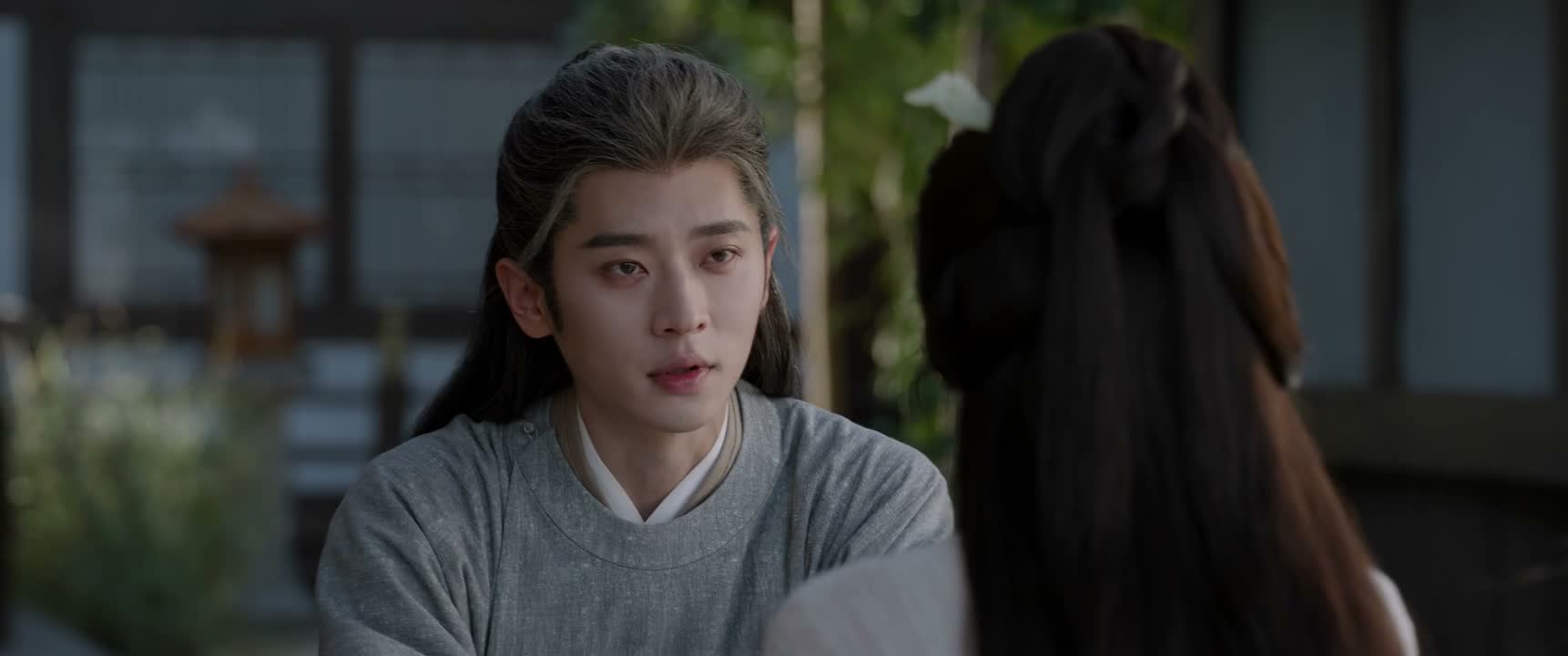
“It's a pity I didn't find any mushrooms. Maybe I was looking in the wrong place.”
“Everything you choose is perfect.”
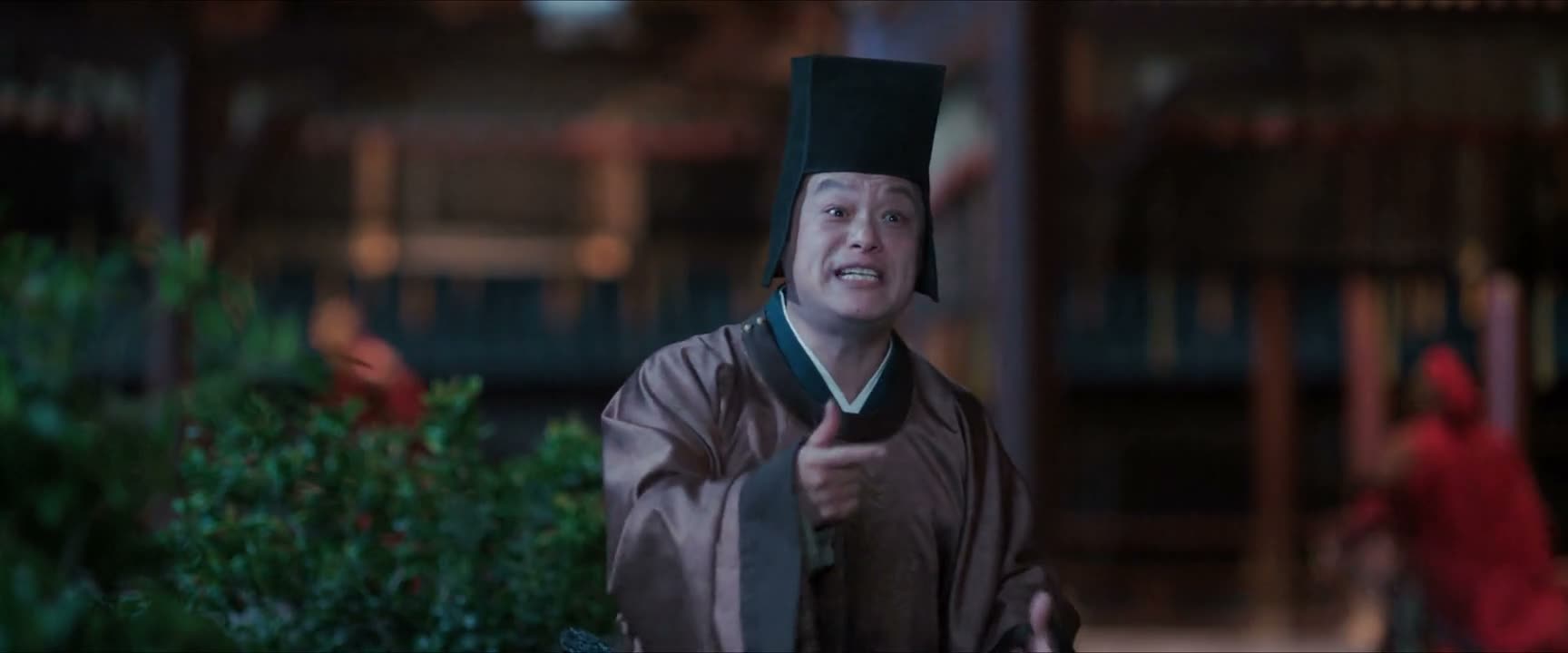
“and you still can't find him?”