MC
MandarinClips Cinema Corpus
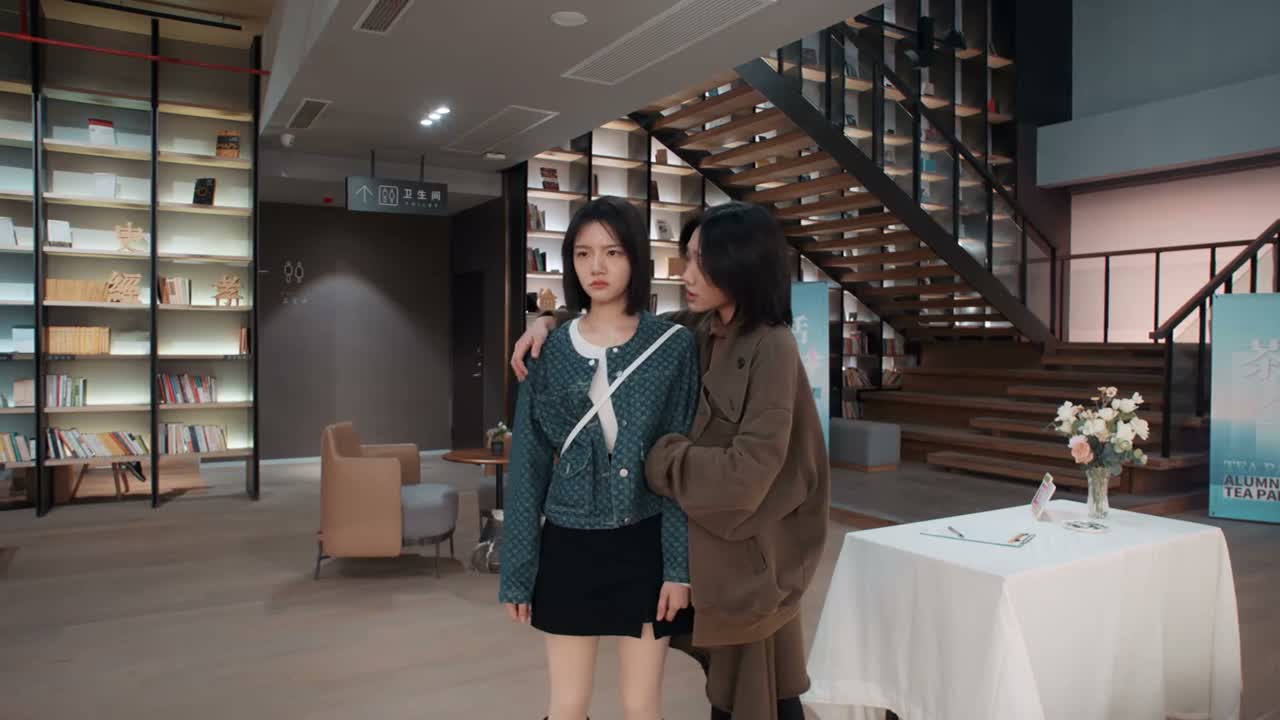
《The Lead》 S1·E6 (26:02) HSK 3
nà nǐ rèn de lù dāng rán rèn de le

那你认得路 当然认得了

“Do you know the way? Of course, I do.”

《The Lead》 S1·E6
TIMECODE: 26:02 · 1080P MASTER AUDIO

THE DIALOGUE REEL

1+1+1 SPOKEN CONTINUITY
[-1] PREVIOUS TURN bù pà

不怕

“No.”

nà nǐ rèn de lù dāng rán rèn de le CURRENT FOCUS

那你 认得路 当然认得 了

“Do you know the way? Of course, I do.”

[+1] FOLLOW-UP TURN nǐ yī zǒu

你一走

“Once you leave,”

Subtitles synced to millisecond timecode Browse Show Clips →
Scene: Daily Life
Function: REASSURING
Tone: REASSURING
Emotion: CONFIDENCE
WHAT THEY REALLY MEAN (PRAGMATIC SUBTEXT)

Direct spoken expression in this communicative setting.

💡 Cultural Insight: Solicitous Check-ins

In close Chinese relationships, asking if someone knows the way demonstrates natural caring and protective attention rather than questioning their competence.

INTENT TAGS: #reassurance #confirming #confidence #caring
🧩

LEARNING CHUNKS & PARTICLES

2 CHUNKS · 1 PARTICLES
认得路 SPOKEN CHUNK

know the way / be familiar with the route

A very common spoken expression to ask or confirm whether someone can navigate somewhere independently.

当然 SPOKEN CHUNK

of course / naturally

Used to express clear certainty or emphasize an obvious point without hesitation.

Modal Particle「了」 (le) CHANGE OF STATE

Marks an affirmation of completed state or obvious certainty when paired with '当然'.

🏮

VOCABULARY & EXPRESSIONS

2 EXPR · 0 GRAMMAR
CROSS-CINEMA CORPUS BOARD · PARALLEL SCENES

Parallel Spoken Cinema Scenes (语义近邻切片)

EXPLORE BY SEMANTIC SIMILARITY
《The Lead》 S1·E6 (26:02) · Authentic Cinema Dialogue Corpus