MC
MandarinClips Cinema Corpus
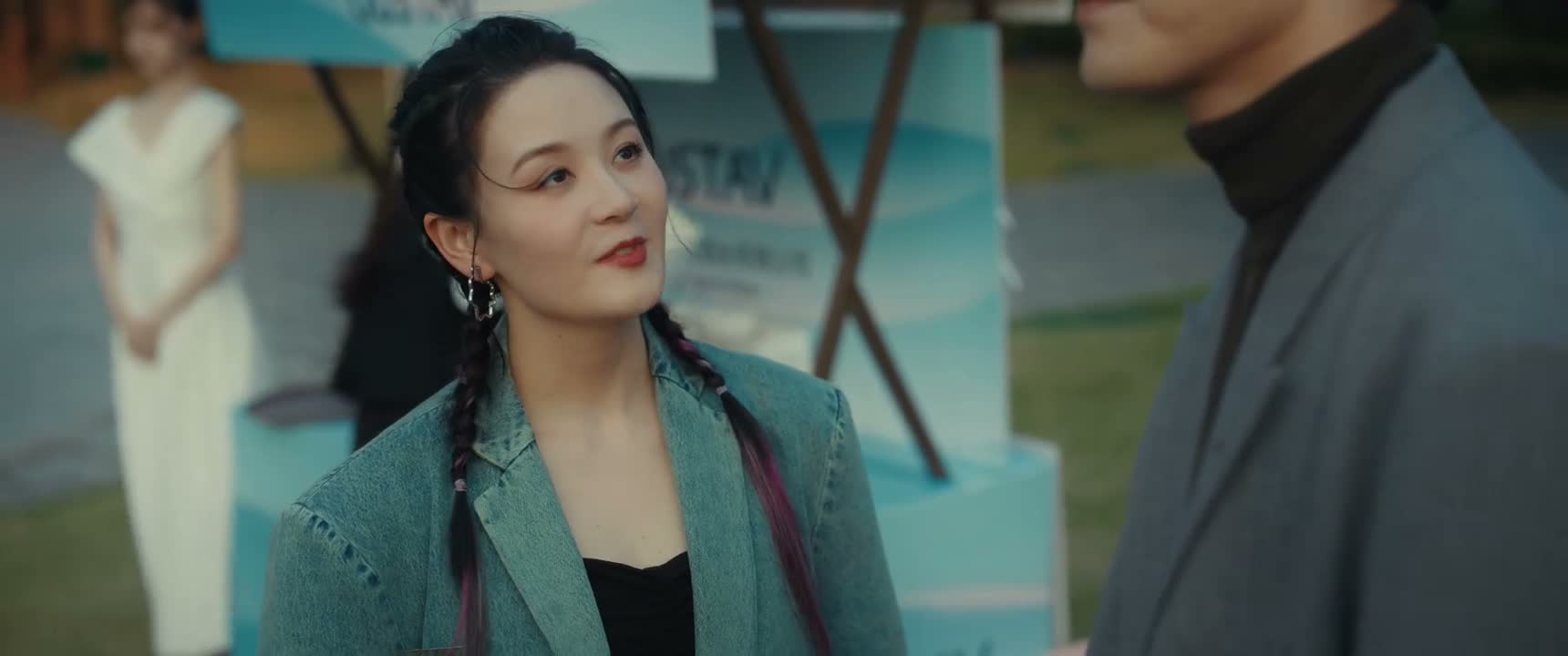
《Love Has Fireworks》 S1·E29 (41:34) HSK 6
nǐ zhī dào wèi shén me dāng chū wǒ hěn xǐ huān nǐ ma

你知道为什么当初我很喜欢你吗

“Do you know why I liked you so much?”

《Love Has Fireworks》 S1·E29
TIMECODE: 41:34 · 1080P MASTER AUDIO

THE DIALOGUE REEL

1+1+1 SPOKEN CONTINUITY
[-1] PREVIOUS TURN suǒ yǐ ne suǒ yǐ nǐ hái shì bù míng bái

“So? You still don't understand.”

nǐ zhī dào wèi shén me dāng chū wǒ hěn xǐ huān nǐ ma CURRENT FOCUS

你知道为什么 当初 我很喜欢 你吗

“Do you know why I liked you so much?”

[+1] FOLLOW-UP TURN shì yīn wèi zài nǐ shēn shàng wǒ kàn dào le wǒ de yǐng zi wǒ céng jīng de yǐng zi

“Because I saw my younger self in you.”

Subtitles synced to millisecond timecode Browse Show Clips →
Scene: Social & Dating
Function: INITIATING DISCLOSURE
Tone: REFLECTIVE
Emotion: NOSTALGIA
WHAT THEY REALLY MEAN (PRAGMATIC SUBTEXT)
“I'm about to tell you the real, bittersweet reason I fell for you in the first place.”
💡 Cultural Insight: Emotional Reflection in Modern Romance

Urban Chinese romantic dramas frequently feature introspective conversations where characters dissect past relationships, shifting from romantic passion to existential self-discovery.

INTENT TAGS: #revelation #reflection #setting_up_story #intimacy
🧩

LEARNING CHUNKS & PARTICLES

2 CHUNKS · 1 PARTICLES
你知道为什么 SPOKEN CHUNK

do you know why

A common rhetorical hook used to draw the listener's full attention before sharing a significant insight or story.

当初 SPOKEN CHUNK

back then / at that time / originally

Used when looking back at a past period, often contrasting past feelings with present reality.

Modal Particle「吗」 (ma) CHANGE OF STATE

Softens the rhetorical question and invites the interlocutor to listen closely to the forthcoming answer.
🏮

VOCABULARY & EXPRESSIONS

2 EXPR · 0 GRAMMAR
CROSS-CINEMA CORPUS BOARD · PARALLEL SCENES

Parallel Spoken Cinema Scenes (语义近邻切片)

EXPLORE BY SEMANTIC SIMILARITY
《Love Has Fireworks》 S1·E29 (41:34) · Authentic Cinema Dialogue Corpus