MC
MandarinClips Cinema Corpus
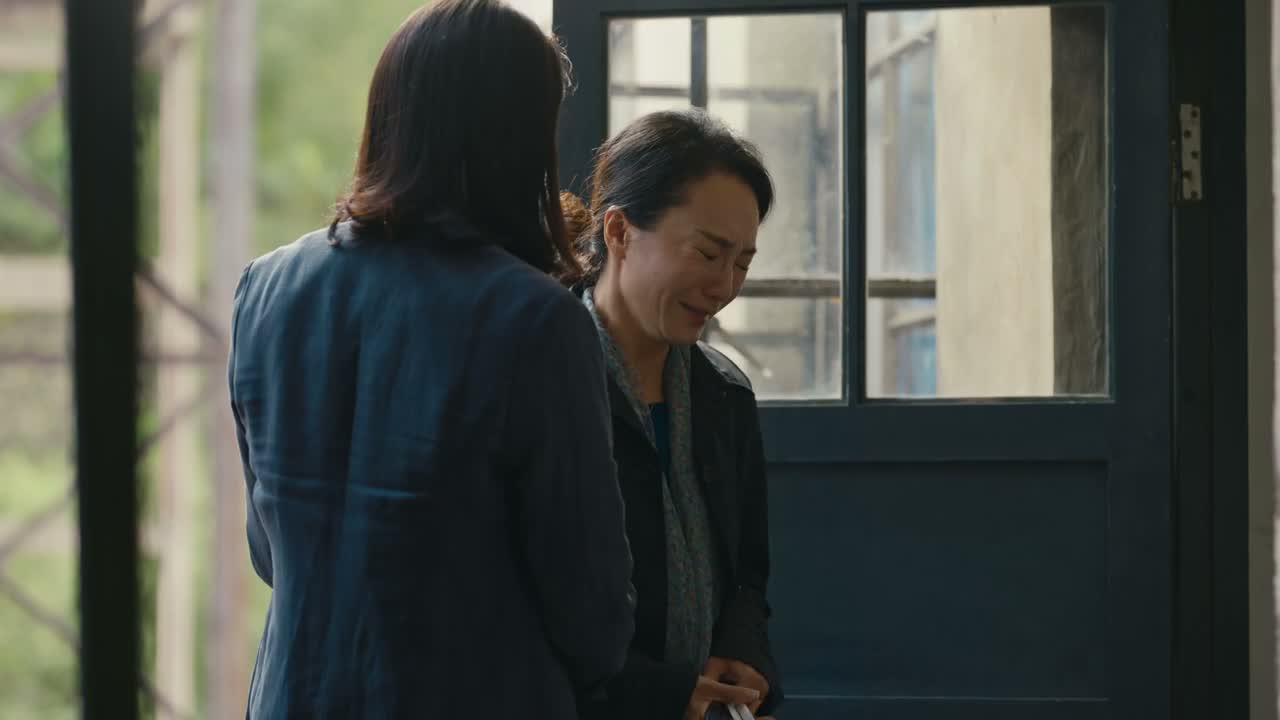
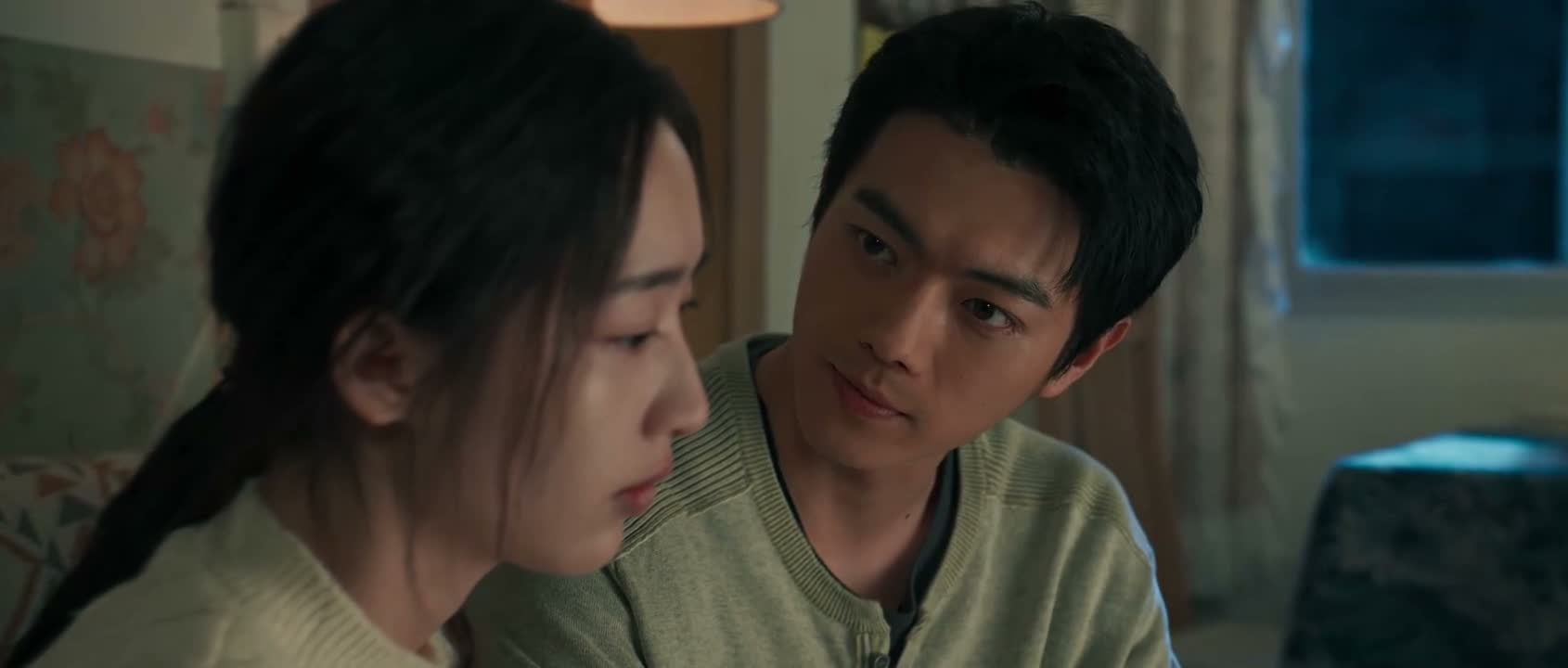
《Live up to Your Youth》 S1·E32 (19:39) HSK 2
nǐ zǎ jiù dé le zhè ge bìng le

你咋就得了这个病了

“How did you end up getting this disease?”

《Live up to Your Youth》 S1·E32
TIMECODE: 19:39 · 1080P MASTER AUDIO

THE DIALOGUE REEL

1+1+1 SPOKEN CONTINUITY
[-1] PREVIOUS TURN xié zhù diào chá bìng chǔ lǐ hòu xù shì wù

协助调查并处理后续事务

“and handle his affairs within 48 hours.”

nǐ zǎ jiù dé le zhè ge bìng le CURRENT FOCUS

你咋就 得了这个病 了

“How did you end up getting this disease?”

[+1] FOLLOW-UP TURN zhù liàng liàng rǎn rǎn

祝亮亮 冉冉

“Wishing Liangliang and Ranran”

Subtitles synced to millisecond timecode Browse Show Clips →
Scene: Medical & Health
Function: LAMENTING
Tone: EMPATHETIC
Emotion: SORROW
WHAT THEY REALLY MEAN (PRAGMATIC SUBTEXT)
“This is so unfair—why did this horrible illness have to happen to you?”
💡 Cultural Insight: Rhetorical Lamentation in Illness (惊叹式关切)

In Chinese culture, asking 'why did you get sick' is a conventional emotional expression of grief and empathy rather than an invasive technical inquiry.

INTENT TAGS: #commiseration #lamenting #shock #sympathy
🧩

LEARNING CHUNKS & PARTICLES

2 CHUNKS · 1 PARTICLES
咋就 SPOKEN CHUNK

how on earth / why unexpectedly

A highly colloquial, northern-flavored contraction of '怎么就', conveying surprise, frustration, or dismay.

得了这个病 SPOKEN CHUNK

contracted this illness / fell sick with this disease

Standard spoken phrasing for falling ill with a specific condition.

Modal Particle「了」 (le) CHANGE OF STATE

Appears twice; the final particle serves as a sentence-final marker emphasizing unexpected completion and emotional lamentation.
🏮

VOCABULARY & EXPRESSIONS

2 EXPR · 0 GRAMMAR
CROSS-CINEMA CORPUS BOARD · PARALLEL SCENES

Parallel Spoken Cinema Scenes (语义近邻切片)

EXPLORE BY SEMANTIC SIMILARITY
《Live up to Your Youth》 S1·E32 (19:39) · Authentic Cinema Dialogue Corpus