MC
MandarinClips Cinema Corpus
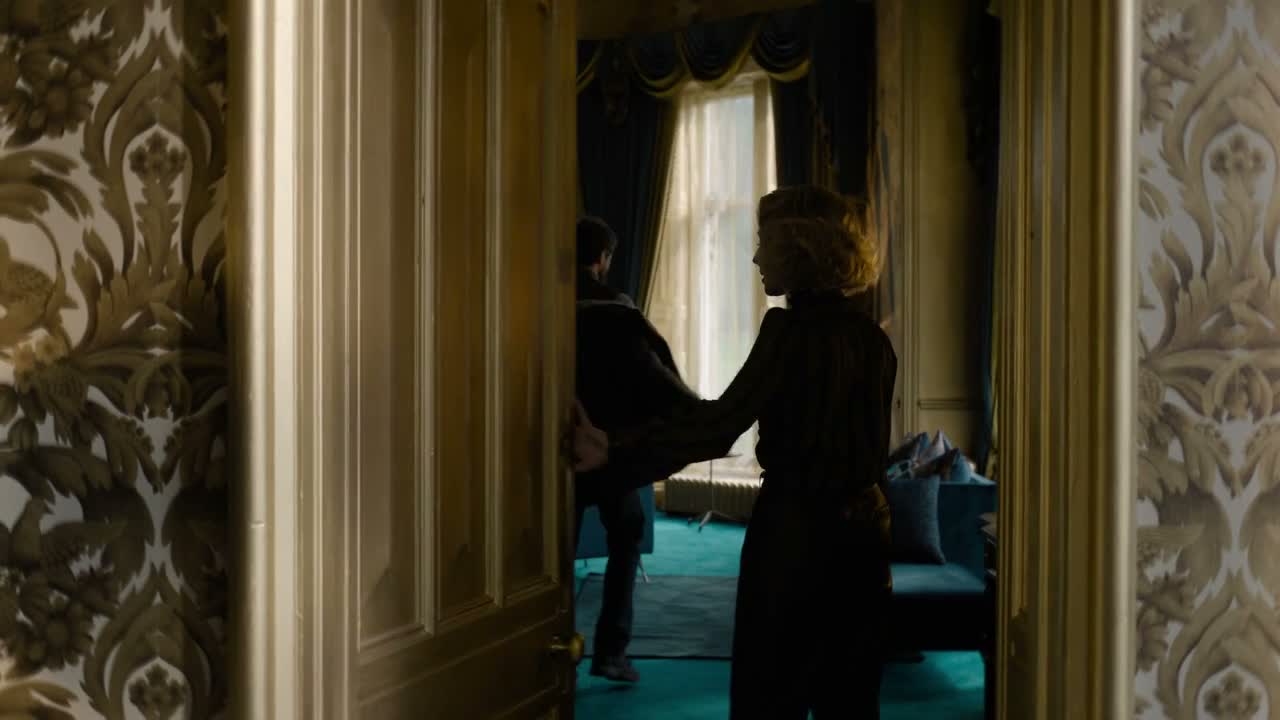
《Go Ahead》 S1·E13 (12:35) HSK 2
wǒ hái xiǎng wèn nǐ nǐ zěn me jìn lái de ne

我还想问你 你怎么进来的呢

“Tell me how you came in.”

《Go Ahead》 S1·E13
TIMECODE: 12:35 · 1080P MASTER AUDIO

THE DIALOGUE REEL

1+1+1 SPOKEN CONTINUITY
[-1] PREVIOUS TURN nǐ gàn shén me nǐ zěn me jìn lái de wǒ dāng rán shū mì mǎ jìn lái de ya

你干什么 你怎么进来的 我当然输密码进来的呀

“What are you doing? How did you get in? I entered the password and came in.”

wǒ hái xiǎng wèn nǐ nǐ zěn me jìn lái de ne CURRENT FOCUS

我还想问你 你怎么进来的 呢

“Tell me how you came in.”

[+1] FOLLOW-UP TURN wǒ yě shū mì mǎ jìn lái de ya zhè shì wǒ jiā zhè zěn me chéng nǐ jiā le

我也输密码进来的呀 这是我家 这怎么成你家了

“The same way as you did. This is my house. Nonsense.”

Subtitles synced to millisecond timecode Browse Show Clips →
Scene: Crisis & Conflict
Function: CHALLENGING AUTHORITY
Tone: CONFRONTATIONAL
Emotion: ANGER
WHAT THEY REALLY MEAN (PRAGMATIC SUBTEXT)
“Don't interrogate me; you have no right to be here in the first place.”
💡 Cultural Insight: Counter-Questioning as Defense

Flipping a question right back onto an interrogator is a common pragmatic device in Chinese disputes to regain conversational control.

INTENT TAGS: #deflection #counter_attack #interrogation #confrontation
🧩

LEARNING CHUNKS & PARTICLES

2 CHUNKS · 1 PARTICLES
我还想问你 SPOKEN CHUNK

I was just about to ask you

A sharp rhetorical device used to counter someone's questioning by throwing the suspicion back onto them.

怎么进来的 SPOKEN CHUNK

how did (you) get in

Commonly used to demand an explanation when encountering someone unexpectedly indoors.

Modal Particle「呢」 (ne) CHANGE OF STATE

Marks a rhetorical challenge, giving a sharp and demanding edge to the question.
🏮

VOCABULARY & EXPRESSIONS

2 EXPR · 0 GRAMMAR
CROSS-CINEMA CORPUS BOARD · PARALLEL SCENES

Parallel Spoken Cinema Scenes (语义近邻切片)

EXPLORE BY SEMANTIC SIMILARITY
《Go Ahead》 S1·E13 (12:35) · Authentic Cinema Dialogue Corpus