出门前就该对路况有过预判
“You should have anticipated the traffic before leaving”
THE DIALOGUE REEL
不好意思 来晚了
“Sorry we are late.”
出门前 就该 对路况有过 预判
“You should have anticipated the traffic before leaving”
不是去麻烦别人
“instead of troubling others.”
“Don't blame the traffic for your lack of foresight and punctuality.”
In competitive Chinese professional environments, blaming traffic for lateness is often viewed as unprofessional, showing a lack of diligence and foresight.
LEARNING CHUNKS & PARTICLES
to anticipate or make an advance assessment about something
Commonly used in formal or analytical contexts to describe forward-thinking planning or risk assessment.
should have already; ought to
Used to express strong obligation or reproach about something that should have been done beforehand.
VOCABULARY & EXPRESSIONS
Parallel Spoken Cinema Scenes (语义近邻切片)
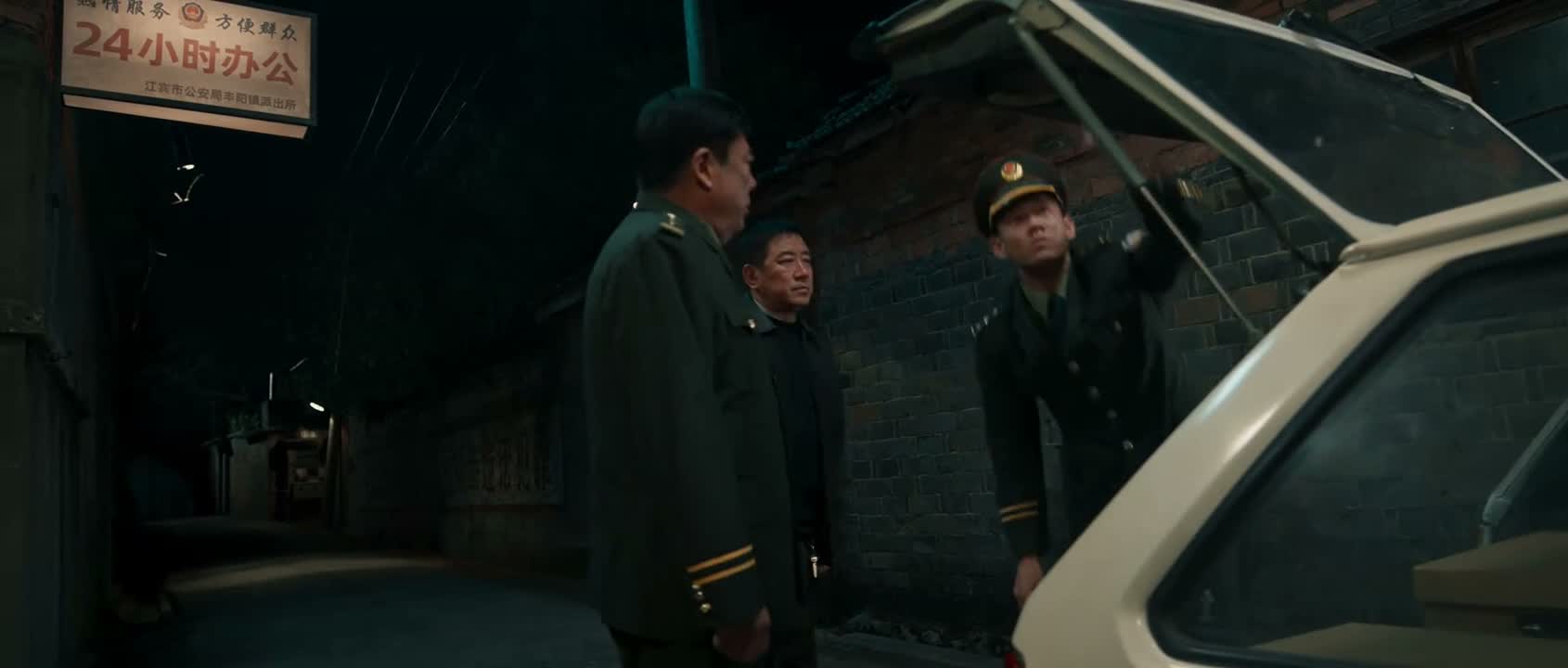
“be careful on the road.”

“To get familiar with the environment in advance.”

“Seems you came prepared.”

“so I arrived earlier in a larger vehicle.”

“If you're leaving, the sooner the better.”

“With the rain today, traffic might be bad. But I've already made breakfast. That's right.”