你就这么甘心死了吗
“♪ Your silhouette is engraved inside ♪ Are you really willing to die like this?”
THE DIALOGUE REEL
你这么年轻 一定还有很多想做的事吧
“♪ Every time I open my eyes ♪ You're so young. You must have many things you still want to do.”
你 就这么 甘心死了 吗
“♪ Your silhouette is engraved inside ♪ Are you really willing to die like this?”
巧言令色者
“♪ Your silhouette is engraved inside ♪ Smooth talkers”
“You have too much unfinished business to just accept death so quietly.”
In Chinese narrative ethos, '甘心' (acceptance of defeat) is often framed as a tragic waste, whereas '不甘心' drives heroes to endure hardship and fight back.
LEARNING CHUNKS & PARTICLES
to be resigned to; to be content with (an unfavorable outcome)
Frequently used in negative or rhetorical contexts ('不甘心', '甘心吗') when someone refuses to admit defeat.
Marks a direct yes-no question with a strong rhetorical and provocative undertone.
VOCABULARY & EXPRESSIONS
Parallel Spoken Cinema Scenes (语义近邻切片)

“meet his end beneath the city walls, did you waver even for a moment?”

“So, who loves you enough to die for you?”
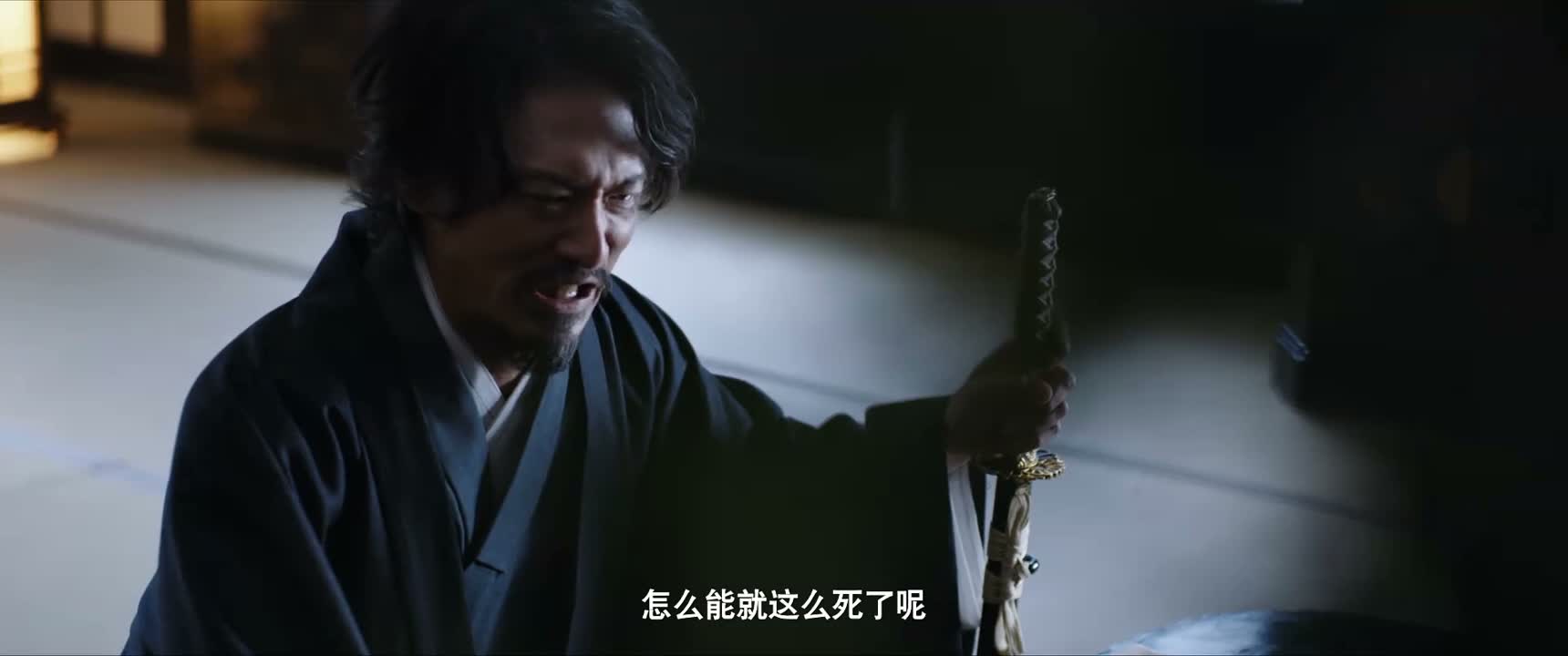
“How could he just die like that?”

“Would you really waste your life in the middle of nowhere?”