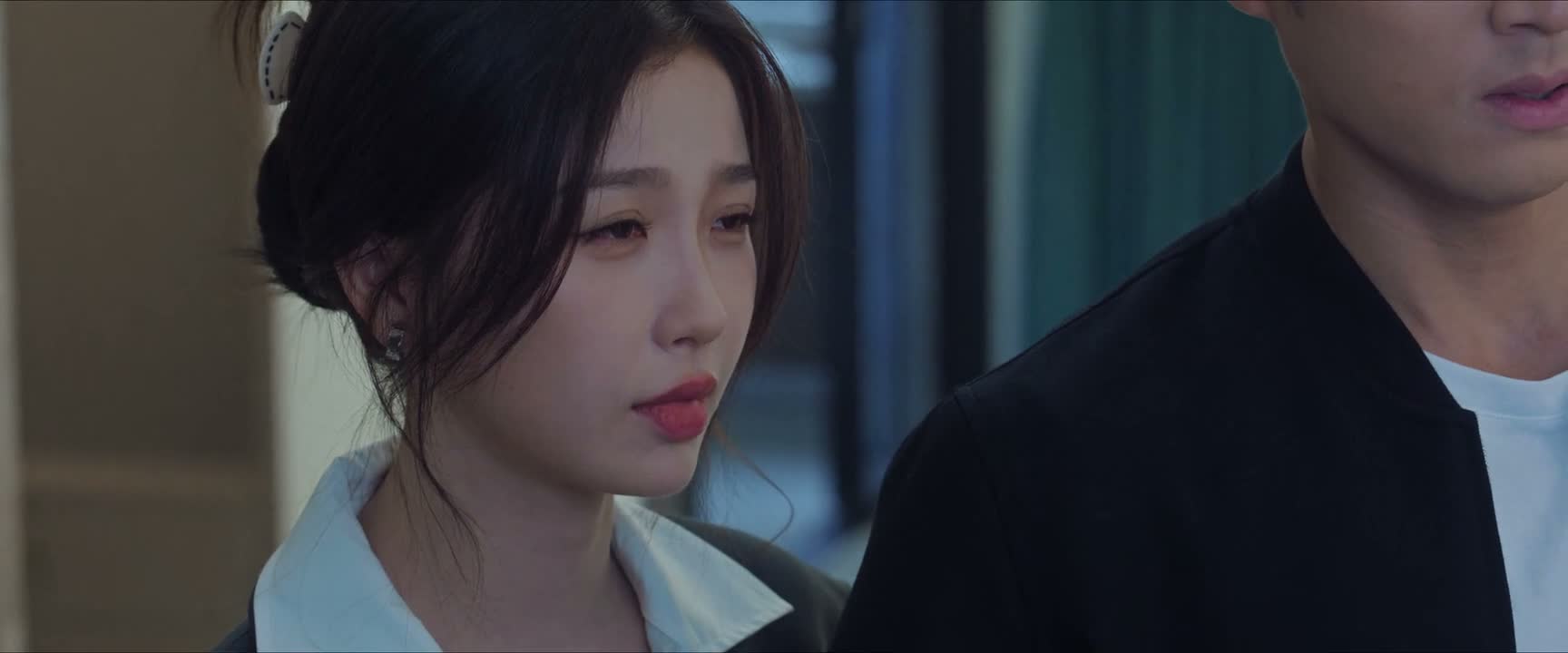
《Archives: The Nanyang Mystery》 S1·E7 (07:38)
HSK 7
nǐ zhēn shì gè guài wù
你真是个怪物
“You really are a monster.”
《Archives: The Nanyang Mystery》
S1·E7
TIMECODE: 07:38
·
1080P MASTER AUDIO
THE DIALOGUE REEL
[-1] PREVIOUS TURN
shí sān
十三
“thirteen.”
nǐ zhēn shì gè guài wù
CURRENT FOCUS
你真是 个 怪物
“You really are a monster.”
[+1] FOLLOW-UP TURN
nǐ xiàn zài gēn wǒ yī yàng
你现在跟我一样
“You're just like me now,”
Subtitles synced to millisecond timecode
Browse Show Clips →
Scene:
Crisis & Conflict
Function:
VERBAL ATTACK
Tone:
ACCUSATORY
Emotion:
DISGUST
WHAT THEY REALLY MEAN (PRAGMATIC SUBTEXT)
Direct spoken expression in this communicative setting.
💡 Cultural Insight: Dehumanization in Conflict
Calling someone a 'monster' (怪物) in Chinese strips away social decorum and signals an absolute break in empathy or moral alignment.
INTENT TAGS:
#denunciation
#accusation
#rejection
#confrontation
🧩
2 CHUNKS · 0 PARTICLES
LEARNING CHUNKS & PARTICLES
真是个
SPOKEN CHUNK
really is a...
Commonly used in spoken Chinese to strongly categorize someone with emphasis, either positively or negatively.
怪物
SPOKEN CHUNK
monster / freak
Used literally for beasts or metaphorically to label someone bizarre, inhumane, or terrifyingly capable.
🏮
2 EXPR · 0 GRAMMAR
VOCABULARY & EXPRESSIONS
COLLOQUIAL EXPRESSIONS:
CROSS-CINEMA CORPUS BOARD · PARALLEL SCENES
EXPLORE BY SEMANTIC SIMILARITY
Parallel Spoken Cinema Scenes (语义近邻切片)


《Archives: The Nanyang Mystery》 S1·E7 (07:38) · Authentic Cinema Dialogue Corpus