《The Truth》 S1·E27 (20:03)
HSK 5
duì tā qiàn dé tài duō le
对她 欠得太多了
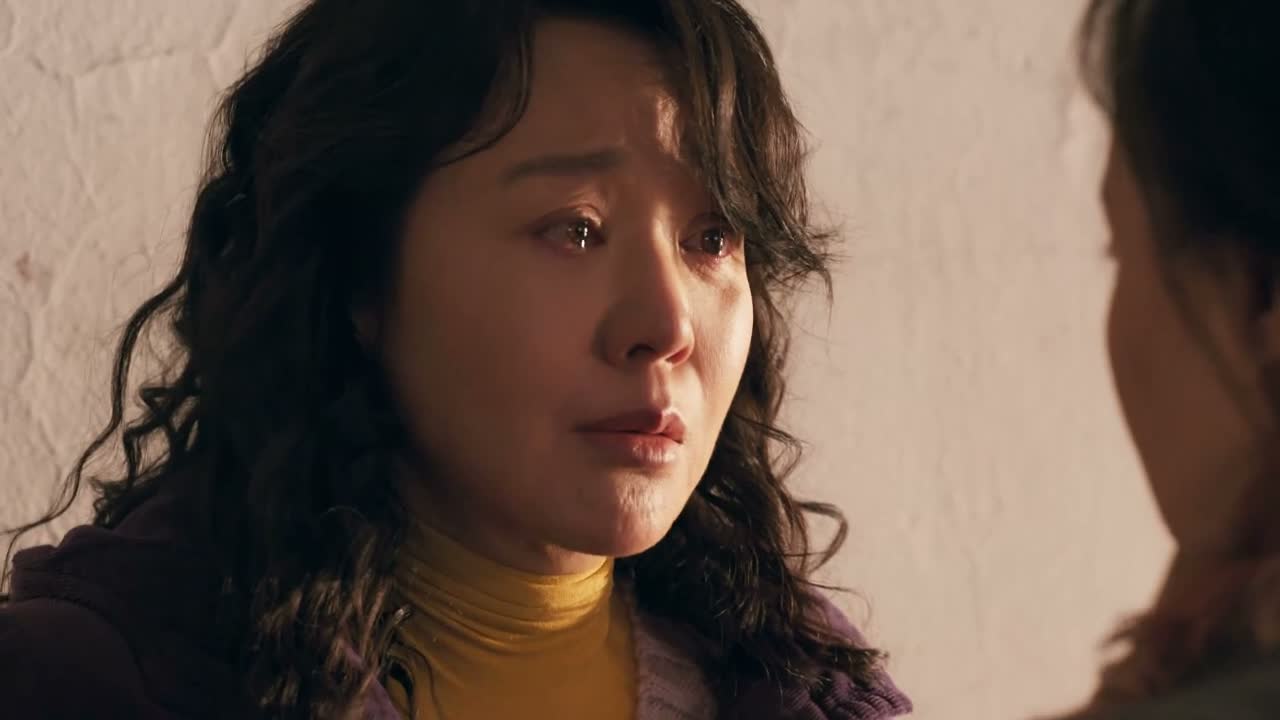
“I owe her too much.”
《The Truth》
S1·E27
TIMECODE: 20:03
·
1080P MASTER AUDIO
THE DIALOGUE REEL
[-1] PREVIOUS TURN
wǒ jiù duì bù qǐ tā
我就对不起她
“I feel sorry for her.”
duì tā qiàn dé tài duō le
CURRENT FOCUS
对她 欠得太多 了
“I owe her too much.”
[+1] FOLLOW-UP TURN
shī fù
师父
“Master.”
Subtitles synced to millisecond timecode
Browse Show Clips →
Scene:
Workplace
Function:
CONFESSING GUILT
Tone:
REMORSEFUL
Emotion:
GUILT
WHAT THEY REALLY MEAN (PRAGMATIC SUBTEXT)
Direct spoken expression in this communicative setting.
💡 Cultural Insight: Emotional Debt (Kuidui)
Chinese culture places heavy weight on familial obligation; failing to provide time and care to loved ones creates a profound moral burden of guilt.
INTENT TAGS:
#remorse
#admission_of_guilt
#emotional_burden
#self_reproach
🧩
1 CHUNKS · 1 PARTICLES
LEARNING CHUNKS & PARTICLES
欠得太多了
SPOKEN CHUNK
owe far too much
Commonly used figuratively in Chinese to express intense moral or emotional indebtedness toward family or loved ones.
Modal Particle「了」 (le)
CHANGE OF STATE
Functions as a change-of-state marker emphasizing the excessive degree of debt accumulated.
🏮
1 EXPR · 1 GRAMMAR
VOCABULARY & EXPRESSIONS
COLLOQUIAL EXPRESSIONS:
GRAMMAR BLUEPRINTS:
CROSS-CINEMA CORPUS BOARD · PARALLEL SCENES
EXPLORE BY SEMANTIC SIMILARITY
Parallel Spoken Cinema Scenes (语义近邻切片)
《The Truth》 S1·E27 (20:03) · Authentic Cinema Dialogue Corpus