我要向您 做个自我批评
“I'd like to offer my apologies to you.”
THE DIALOGUE REEL
很惭愧
“I am very sorry.”
我要 向您 做个 自我批评
“I'd like to offer my apologies to you.”
您说您今天刚到 就出现了这样的事情
“You just arrived today, and this happened.”
“Please don't hold this against me; I am admitting fault first to show my respect and loyalty.”
Originating from political and organizational conventions, delivering a self-criticism serves as a pragmatic shield, demonstrating accountability and saving the superior's face before blame can be assigned externally.
LEARNING CHUNKS & PARTICLES
self-criticism; formal admission of mistakes
A highly formal, institutional phrase commonly used in Chinese bureaucratic and state-owned workplace contexts to admit errors before leadership.
toward you (respectful)
Use this polite directional construction to introduce an action directed at a superior or elder.
VOCABULARY & EXPRESSIONS
Parallel Spoken Cinema Scenes (语义近邻切片)

“I'm simply good at self-examination.”

“should pay off the debt”
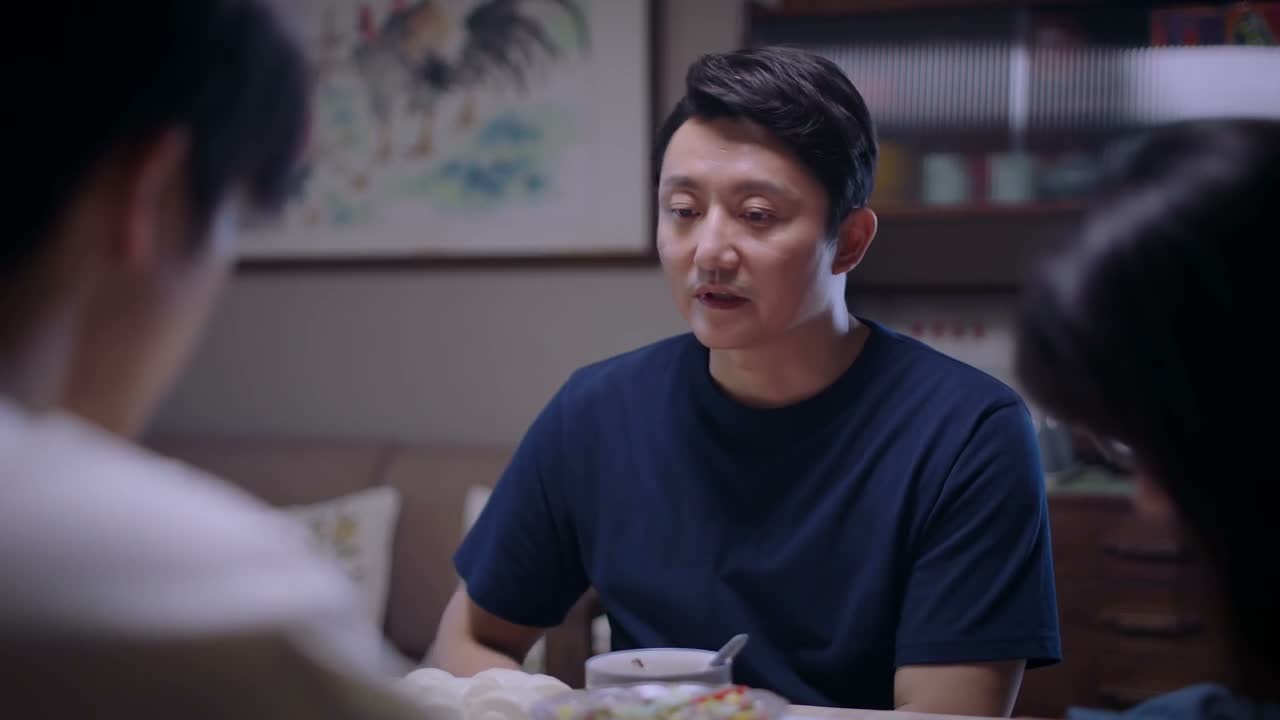
“I must reflect upon myself.”

“Here. Your essay was quite good. This is my feedback. Face yourself. Always be honest.”