《The Lead》 S1·E32 (17:59)
HSK 7
tā jìn lái shì jiē shòu jiào yù zì wǒ fǎn xǐng de
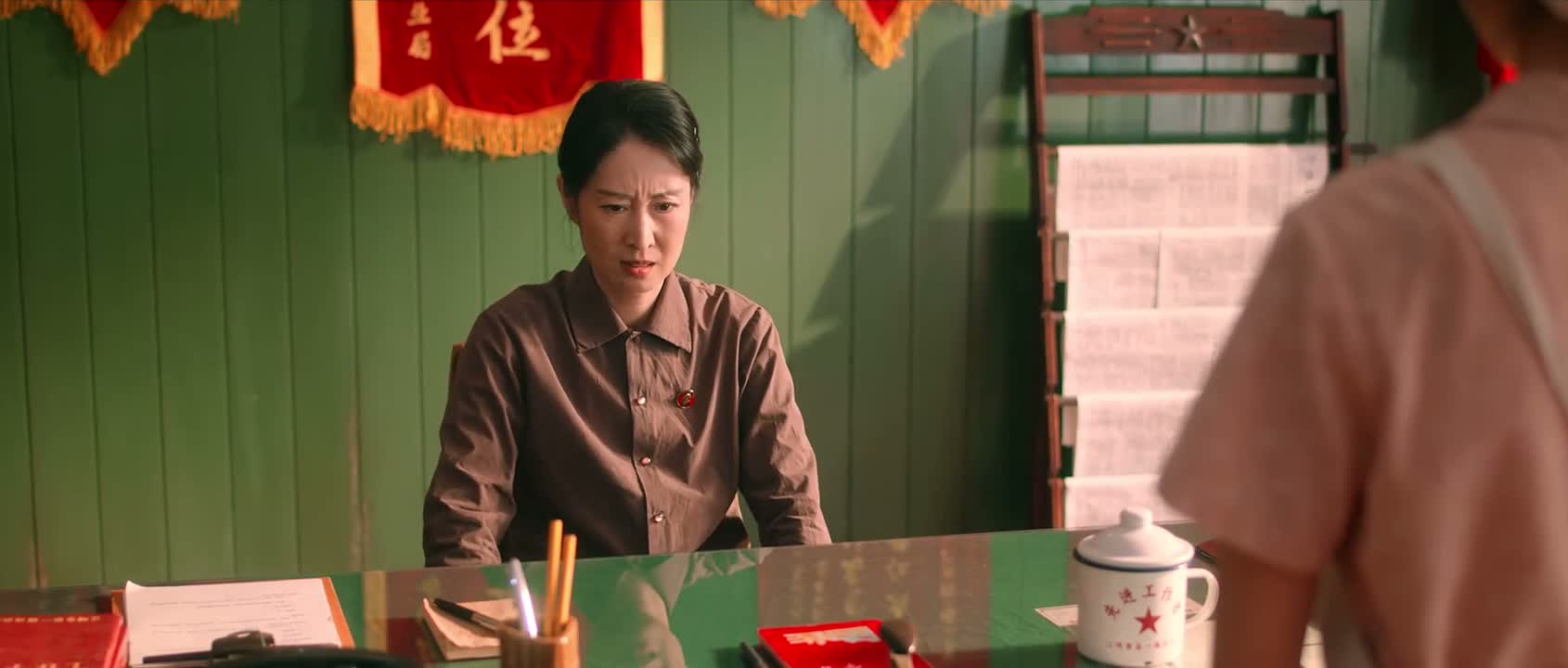
他进来是接受教育 自我反省的
“He's here to learn and reflect.”
《The Lead》
S1·E32
TIMECODE: 17:59
·
1080P MASTER AUDIO
THE DIALOGUE REEL
[-1] PREVIOUS TURN
mó fāng
魔方
“Rubik's Cube?”
tā jìn lái shì jiē shòu jiào yù zì wǒ fǎn xǐng de
CURRENT FOCUS
他进来是 接受教育 自我反省 的
“He's here to learn and reflect.”
[+1] FOLLOW-UP TURN
bú shì kāi fā zhì lì de
不是开发智力的
“Not to train his brain.”
Subtitles synced to millisecond timecode
Browse Show Clips →
Scene:
Legal & Police
Function:
REPRIMANDING RATIONALE
Tone:
AUTHORITATIVE
Emotion:
STERNNESS
WHAT THEY REALLY MEAN (PRAGMATIC SUBTEXT)
“This is a correctional facility, not a playground, so stop treating him like he is on vacation.”
💡 Cultural Insight: Corrective Mindset in Penal Institutions
Chinese institutional rehabilitation heavily emphasizes ideological reform (教育) and personal moral introspection (反省) over recreational rights.
INTENT TAGS:
#discipline
#correction
#asserting_boundaries
#refusal
🧩
2 CHUNKS · 1 PARTICLES
LEARNING CHUNKS & PARTICLES
自我反省
SPOKEN CHUNK
self-reflection; self-examination
A formal term describing deep introspection about one's moral or behavioral mistakes.
接受教育
SPOKEN CHUNK
undergo ideological education; be reformed
Frequently used in institutional and penal contexts to emphasize moral and behavioral correction.
Modal Particle「的」 (de)
CHANGE OF STATE
Used at the end of the clause in a '是...的' construction to assert categorical emphasis about the purpose of his arrival.
🏮
2 EXPR · 0 GRAMMAR
VOCABULARY & EXPRESSIONS
COLLOQUIAL EXPRESSIONS:
CROSS-CINEMA CORPUS BOARD · PARALLEL SCENES
EXPLORE BY SEMANTIC SIMILARITY
Parallel Spoken Cinema Scenes (语义近邻切片)

《The Lead》 S1·E32 (17:59) · Authentic Cinema Dialogue Corpus