还是得反省我自己
“or feel bad for”
THE DIALOGUE REEL
我是得夸你上进呢
“Should I be proud of you,”
还是得 反省 我 自己
“or feel bad for”
苛待下属啊
“being a bad boss?”
“Don't act like you are doing this for my sake; you have crossed the line.”
Chinese superiors often employ irony by claiming fault themselves instead of directly scolding, which paradoxically intensifies the reprimand and forces the subordinate to lose face.
LEARNING CHUNKS & PARTICLES
it is still better to / must still
Commonly used to pivot to a concluding opinion or the real course of action after weighing alternatives.
reflect on myself / engage in self-examination
Used literally for self-criticism, or ironically by superiors to shame others into self-reflection.
VOCABULARY & EXPRESSIONS
Parallel Spoken Cinema Scenes (语义近邻切片)
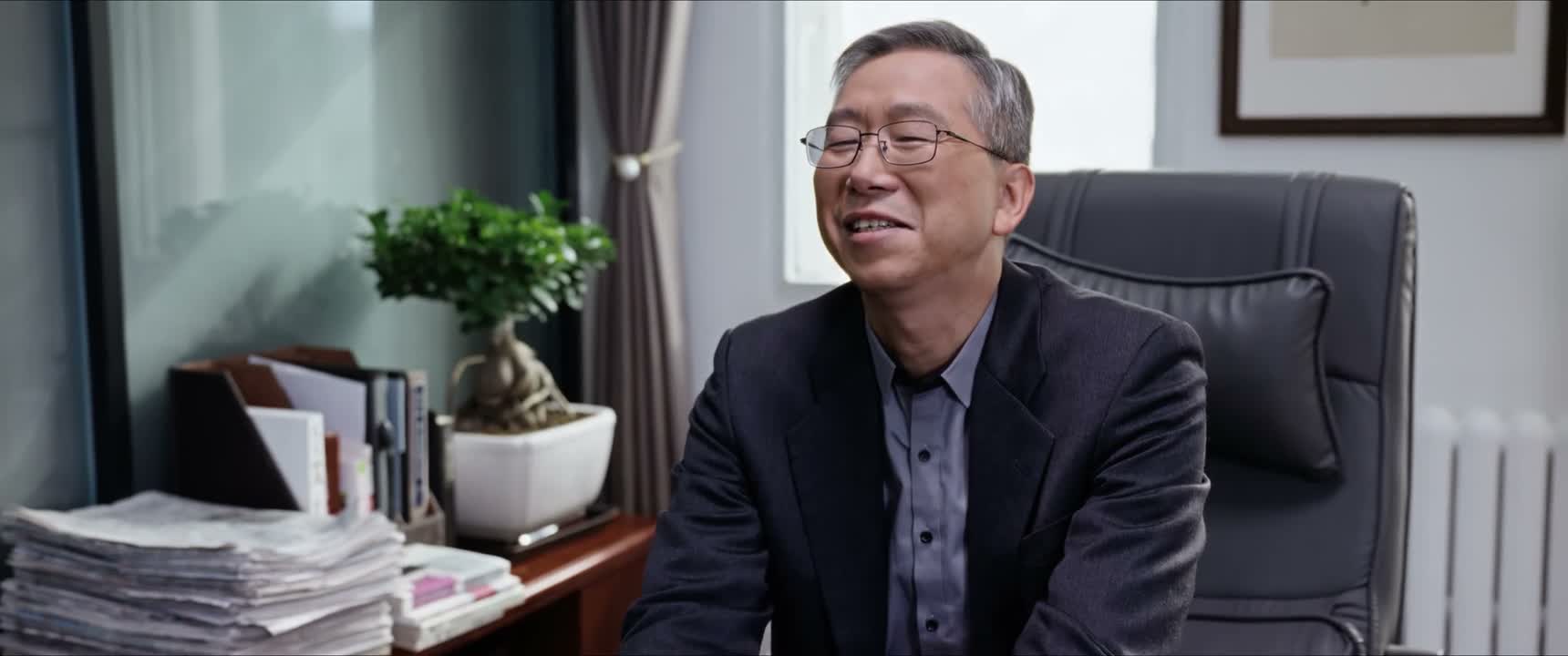
“Why are you criticizing yourself?”

“At first, I kept wondering what I'd done wrong.”

“He's here to learn and reflect.”

“have you ever reflected on it? You're out of line!”

“maybe you should ask yourself”
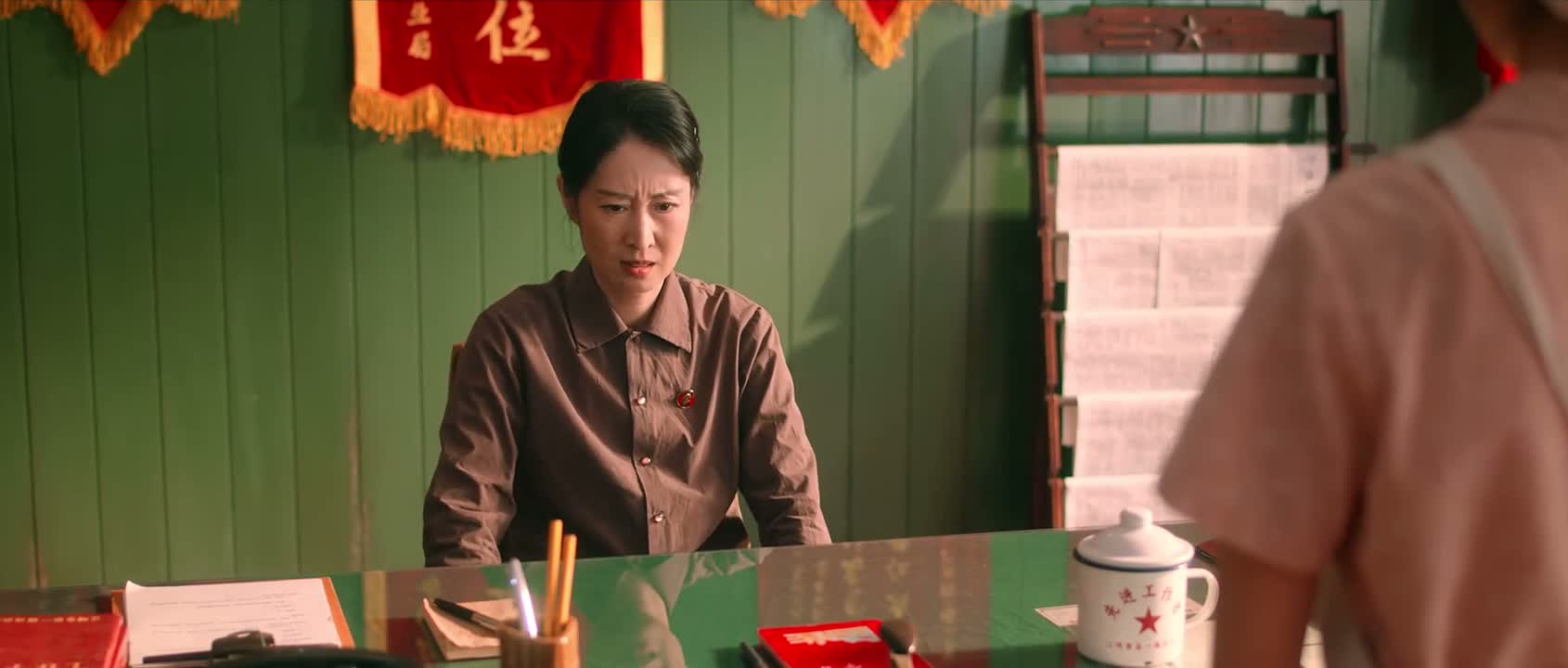
“You'd better reflect upon your actions deeply.”