你怎么 还自我批评上了
“Why are you criticizing yourself?”
THE DIALOGUE REEL
“and in the end, I rely on you to cover for me. I know that.”
你 怎么 还 自我批评 上了
“Why are you criticizing yourself?”
你又给我惹什么事了
“What trouble have you caused now?”
“You never admit fault unless you've done something catastrophic. What did you mess up?”
While 'self-criticism' carries historical political connotations in China, modern speakers frequently adopt it ironically to describe someone trying to soften impending reprimands by apologizing first.
LEARNING CHUNKS & PARTICLES
self-criticism; admitting one's mistakes
Originating from political discourse, this phrase is used casually and playfully in everyday speech to describe someone actively pointing out their own faults.
started doing ...; gotten into the habit of ...
Attaches to verbs or verbal nouns to signal the unexpected beginning or continuation of an action.
Combined with '上' to denote a new state or unexpected ongoing action.
VOCABULARY & EXPRESSIONS
Parallel Spoken Cinema Scenes (语义近邻切片)

“(I told myself over and over again,)”
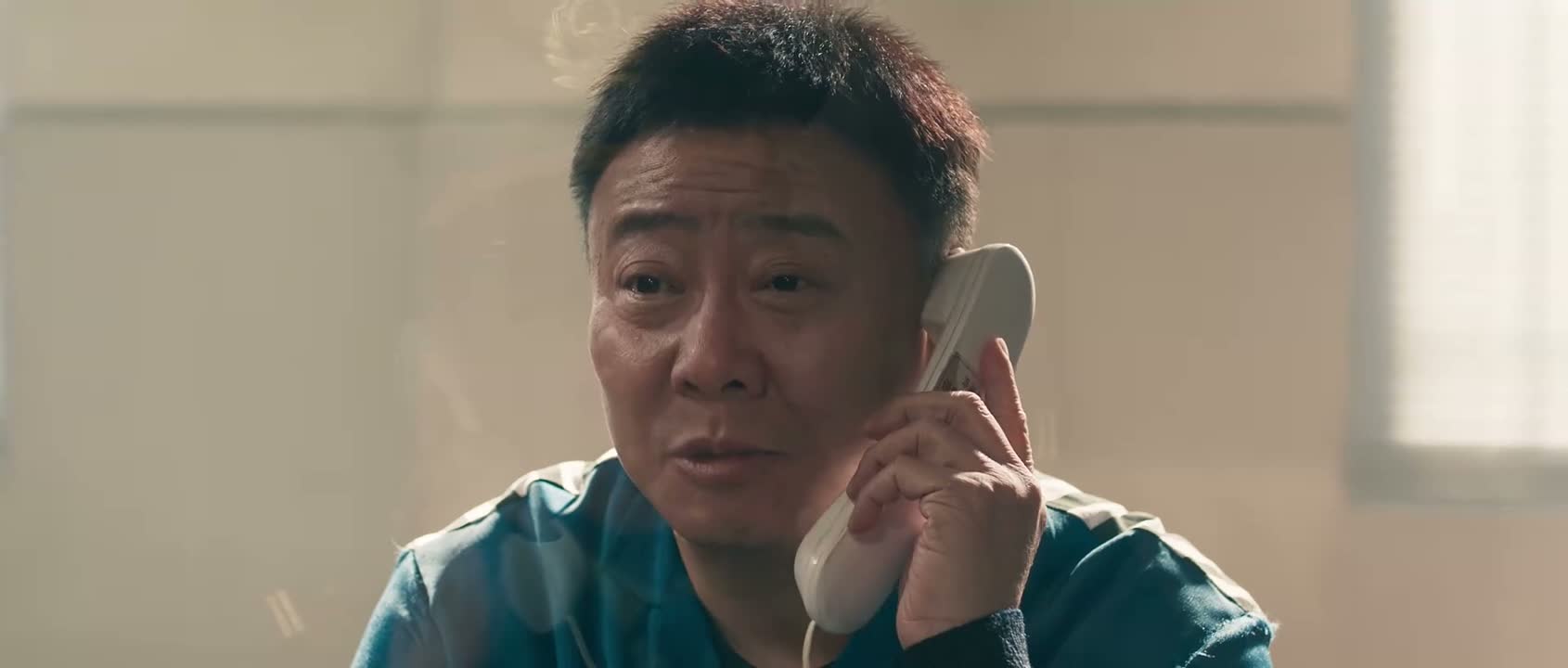
“I'm the one who made a mistake.”

“but you're so hard on yourself.”

“Here. Your essay was quite good. This is my feedback. Face yourself. Always be honest.”

“or feel bad for”

“Why be so harsh on yourself?”

“Hey. Self-reflection is one thing, but does it have to be this deep?”