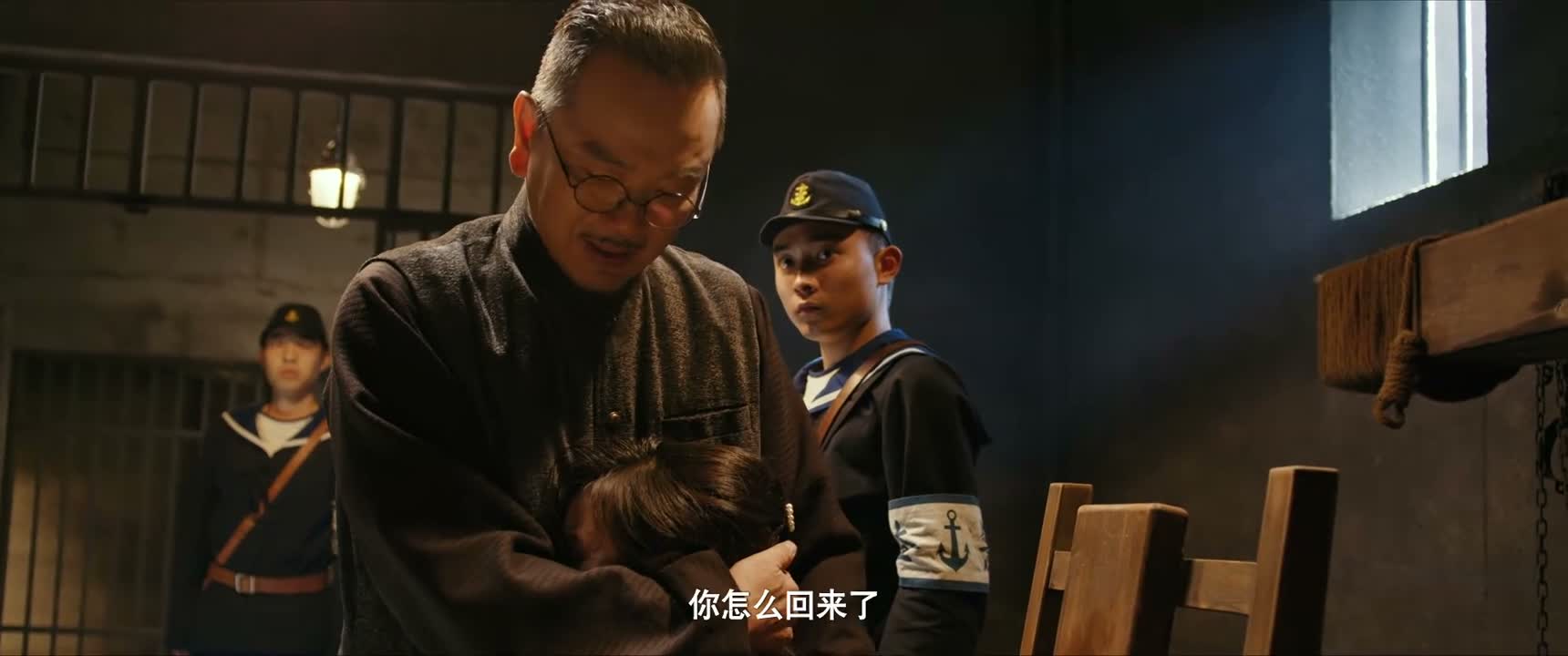
你咋自己回来了
“Why did you come back alone?”
THE DIALOGUE REEL
冉冉姐
“Ranran.”
你咋 自己回来了
“Why did you come back alone?”
亮亮呢
“Where's Liangliang?”
“Where is Liangliang? You were supposed to be together.”
In close Chinese social or familial networks, individuals frequently move in pairs or groups; returning unaccompanied often immediately prompts polite curiosity or concern.
LEARNING CHUNKS & PARTICLES
how come you / why did you
A very common northern spoken equivalent of '为什么你', used casually among close acquaintances.
came back alone / returned by oneself
Used to describe returning unaccompanied, often implying that others were expected to return too.
Marks an aspectual change of state or completed arrival, grounding the inquiry in immediate reality.
VOCABULARY & EXPRESSIONS
Parallel Spoken Cinema Scenes (语义近邻切片)

“come back so suddenly?”

“What? Why are you back?”
“Why have you come back?”

“I asked why you were home so early.”

“What took you so long?”

“How did you know I'd be back right now?”