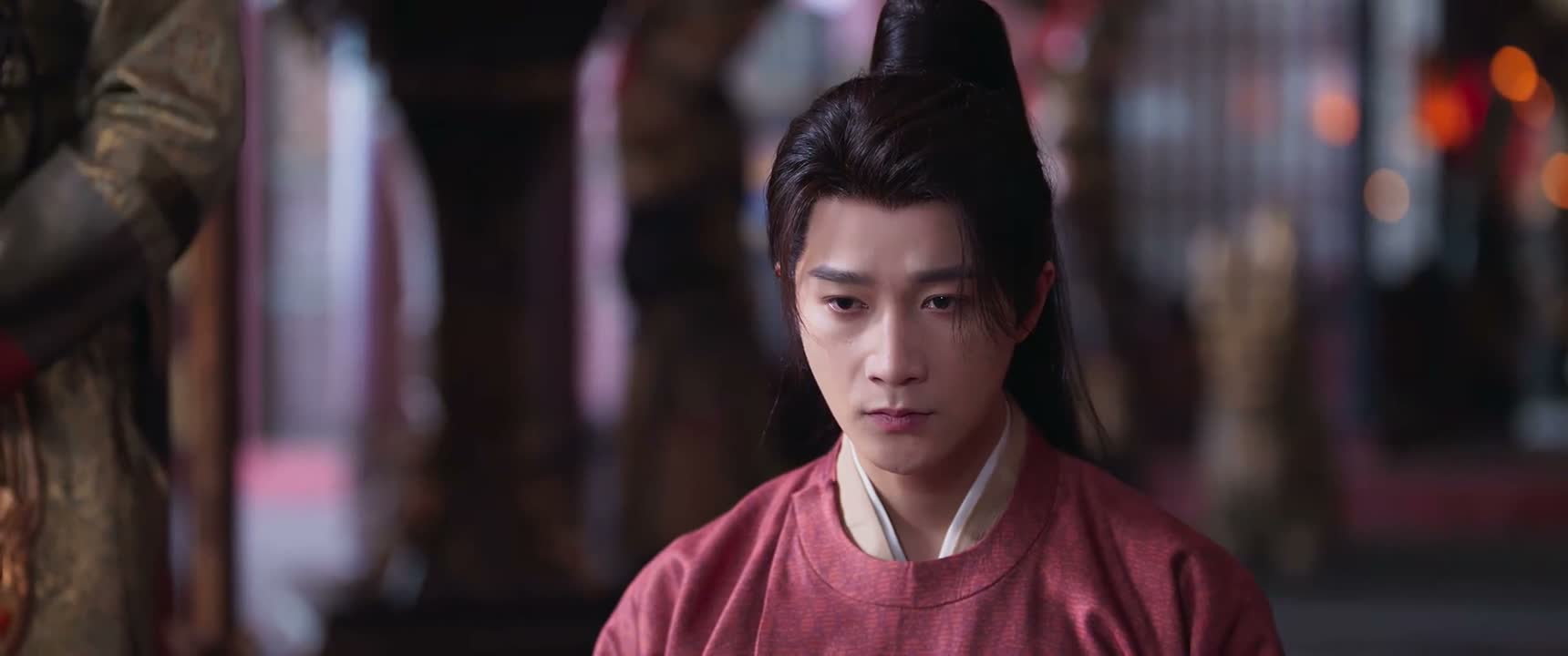
《Ashes to Crown》 S1·E9 (16:39)
HSK 5
gū bì rán yào yíng zhàn de
孤必然要迎战的
“I will fight.”
《Ashes to Crown》
S1·E9
TIMECODE: 16:39
·
1080P MASTER AUDIO
THE DIALOGUE REEL
[-1] PREVIOUS TURN
nǐ gǎn bù gǎn yī zhàn ?
你敢不敢一战?
“do you dare to fight in battle?”
gū bì rán yào yíng zhàn de
CURRENT FOCUS
孤 必然要迎战 的
“I will fight.”
Subtitles synced to millisecond timecode
Browse Show Clips →
Scene:
Historical & Court
Function:
ACCEPTING A CHALLENGE
Tone:
ASSERTIVE
Emotion:
RESOLVE
WHAT THEY REALLY MEAN (PRAGMATIC SUBTEXT)
Direct spoken expression in this communicative setting.
💡 Cultural Insight: Monarchical Self-Address (孤)
In classical and historical contexts, rulers, kings, or princes use 'Gu' to refer to themselves solemnly.
INTENT TAGS:
#defiance
#determination
#confrontation
#assertiveness
🧩
2 CHUNKS · 1 PARTICLES
LEARNING CHUNKS & PARTICLES
必然要
SPOKEN CHUNK
inevitably must / definitely will
Used in formal or dramatic speech to assert an unavoidable necessity or strong determination.
迎战
SPOKEN CHUNK
to face a battle / to take up a challenge
A formal military term used when accepting a fight or challenge from an opponent.
Modal Particle「的」 (de)
CHANGE OF STATE
Emphasizes the certainty and non-negotiable nature of the assertion.
🏮
1 EXPR · 0 GRAMMAR
VOCABULARY & EXPRESSIONS
COLLOQUIAL EXPRESSIONS:
CROSS-CINEMA CORPUS BOARD · PARALLEL SCENES
EXPLORE BY SEMANTIC SIMILARITY
Parallel Spoken Cinema Scenes (语义近邻切片)

《Ashes to Crown》 S1·E9 (16:39) · Authentic Cinema Dialogue Corpus