MC
MandarinClips Cinema Corpus
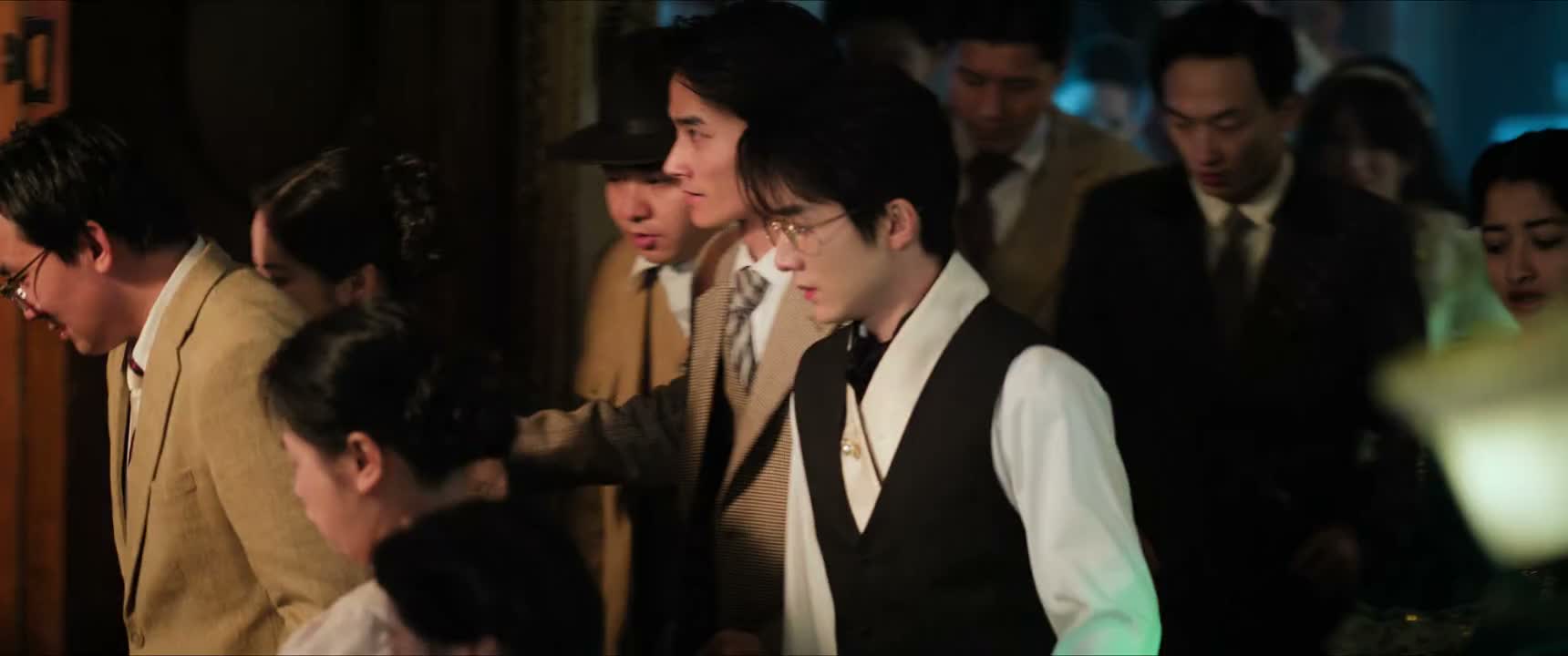
《Archives: The Nanyang Mystery》 S1·E9 (15:22) HSK 6
bù dé chuàn fáng bù dé liú sù tā rén

不得串房 不得留宿他人

“Do not visit other rooms or host overnight guests.”

《Archives: The Nanyang Mystery》 S1·E9
TIMECODE: 15:22 · 1080P MASTER AUDIO

THE DIALOGUE REEL

1+1+1 SPOKEN CONTINUITY
[-1] PREVIOUS TURN nán ān hào jìn rù jǐn jí chuán jìn zhuàng tài qǐng kuài sù huí dào zì jǐ fáng jiān

南安号进入紧急船禁状态 请快速回到自己房间

“The Nan'an has entered an emergency ship lockdown. Please return to your cabins immediately.”

bù dé chuàn fáng bù dé liú sù tā rén CURRENT FOCUS

不得串房 不得 留宿 他人

“Do not visit other rooms or host overnight guests.”

[+1] FOLLOW-UP TURN wéi fǎn zhě àn zhào tōu dù chǔ zhì

违反者按照偷渡处置

“Violators will be treated as stowaways.”

Subtitles synced to millisecond timecode Browse Show Clips →
Scene: Travel & Transit
Function: ISSUING PROHIBITION
Tone: AUTHORITATIVE
Emotion: SERIOUSNESS
WHAT THEY REALLY MEAN (PRAGMATIC SUBTEXT)

Direct spoken expression in this communicative setting.

💡 Cultural Insight: Regulatory Phrasing in Public Announcements

Official mandates in Chinese rely heavily on classical negative auxiliaries such as '不得' paired with two-character action verbs to convey absolute institutional authority.

INTENT TAGS: #prohibition #regulation #announcement #enforcement
🧩

LEARNING CHUNKS & PARTICLES

2 CHUNKS · 0 PARTICLES
不得 SPOKEN CHUNK

must not / not allowed to

A formal, written or broadcast prohibition stronger and more official than '不能' or '不要'.

留宿他人 SPOKEN CHUNK

accommodate others overnight / allow guests to sleep over

Formal administrative phrasing often seen in hotel policies, dorm regulations, or travel rules.

🏮

VOCABULARY & EXPRESSIONS

2 EXPR · 0 GRAMMAR
CROSS-CINEMA CORPUS BOARD · PARALLEL SCENES

Parallel Spoken Cinema Scenes (语义近邻切片)

EXPLORE BY SEMANTIC SIMILARITY
《Archives: The Nanyang Mystery》 S1·E9 (15:22) · Authentic Cinema Dialogue Corpus