《The Knockout》 S1·E22 (13:17)
HSK 7
wǒ shuō tóng zhì nǐ zěn me kāi de chē
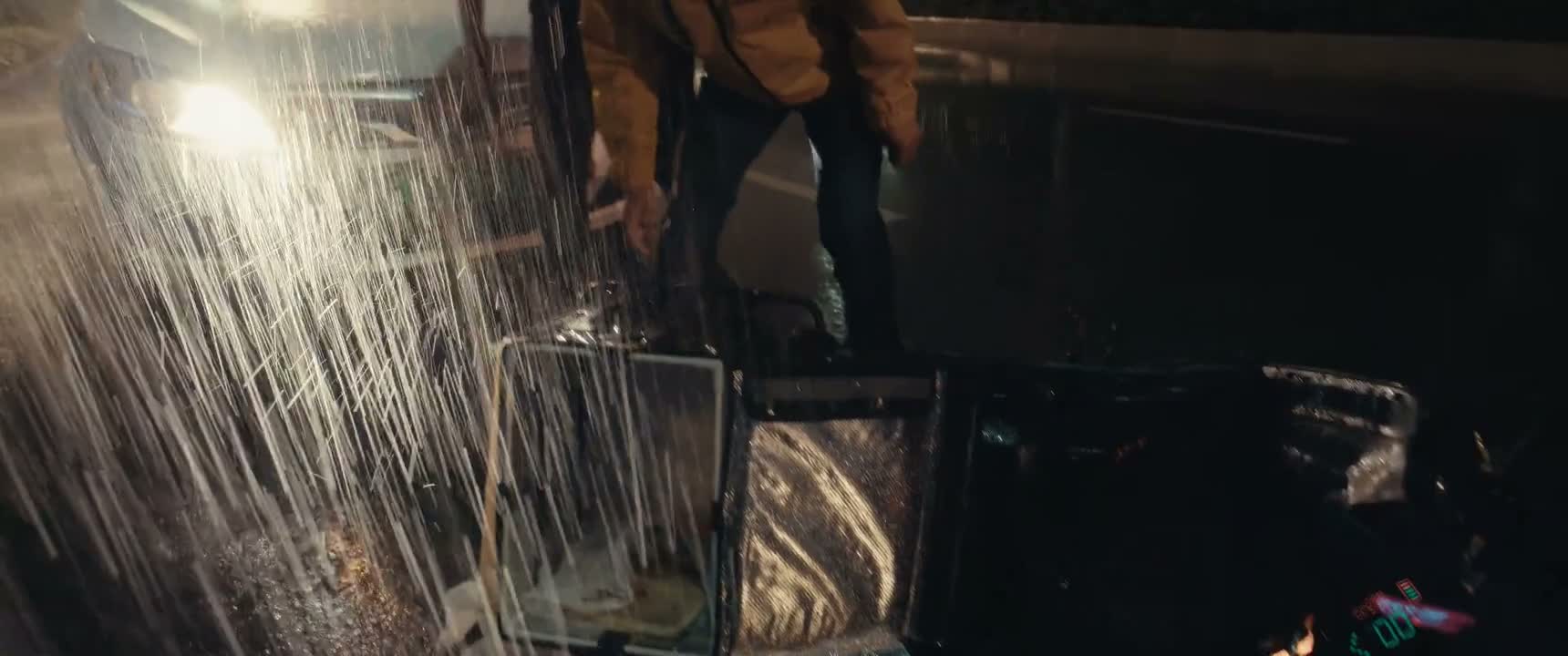
我说同志 你怎么开的车
“Hey, Comrade, how did you drive?”
《The Knockout》
S1·E22
TIMECODE: 13:17
·
1080P MASTER AUDIO
THE DIALOGUE REEL
[-1] PREVIOUS TURN
qīn yí gè qīn yí gè lǎo dà fàng kāi wǒ
亲一个 亲一个 老大 放开我
“Kiss! Kiss! Boss! Let me go!”
wǒ shuō tóng zhì nǐ zěn me kāi de chē
CURRENT FOCUS
我说 同志 你怎么开的车
“Hey, Comrade, how did you drive?”
[+1] FOLLOW-UP TURN
chà diǎn zhuàng dào wǒ nǐ zhī dào ba jǐng chá shēn fèn zhèng chū shì yī xià
“You almost hit me. You know that, right? Police. Show me your ID card.”
Subtitles synced to millisecond timecode
Browse Show Clips →
Scene:
Legal & Police
Function:
CHALLENGING AUTHORITY
Tone:
CONFRONTATIONAL
Emotion:
IRRITATION
WHAT THEY REALLY MEAN (PRAGMATIC SUBTEXT)
“You almost hit someone, pull over right now and explain yourself.”
💡 Cultural Insight: Use of 'Comrade' (Tongzhi) by Authorities
While 'tongzhi' is rarely used in casual youth culture today, law enforcement officers and public officials still use it as a neutral, assertive form of address when dealing with citizens.
INTENT TAGS:
#confrontation
#reprimand
#asserting_authority
#intervention
🧩
2 CHUNKS · 0 PARTICLES
LEARNING CHUNKS & PARTICLES
我说同志
SPOKEN CHUNK
Hey comrade / Excuse me, sir/ma'am
A slightly formal, traditional spoken address used by authorities or older generations to call out a stranger firmly.
你怎么开的车
SPOKEN CHUNK
How on earth are you driving?
A rhetorical question used to reprimand someone for terrible or dangerous driving.
🏮
2 EXPR · 0 GRAMMAR
VOCABULARY & EXPRESSIONS
COLLOQUIAL EXPRESSIONS:
CROSS-CINEMA CORPUS BOARD · PARALLEL SCENES
EXPLORE BY SEMANTIC SIMILARITY
Parallel Spoken Cinema Scenes (语义近邻切片)
《The Knockout》 S1·E22 (13:17) · Authentic Cinema Dialogue Corpus