说把我丢下 对我们两个人都好
“that she abandoned me for our own good.”
THE DIALOGUE REEL
上次见面她就告诉我
“Last time when we met, she told me”
说把我 丢下 对我们两个人都好
“that she abandoned me for our own good.”
以前呢 我一直很想知道原因
“In the past, I always wanted to know the reason.”
“She claimed leaving me was for my own good, but it was just a selfish excuse.”
Chinese speakers often frame breakups as 'good for both of us' or 'for your own good' to soften guilt and maintain interpersonal harmony, which often leaves the other party feeling dismissed.
LEARNING CHUNKS & PARTICLES
leave me behind; abandon me
A vivid colloquial phrase used when someone physically or emotionally leaves someone behind.
good for both of us; in the best interest of both parties
A common trope used during breakups or tough separations to soften the blow.
VOCABULARY & EXPRESSIONS
Parallel Spoken Cinema Scenes (语义近邻切片)

“Don't leave me alone!”

“We even hated you for leaving us behind.”
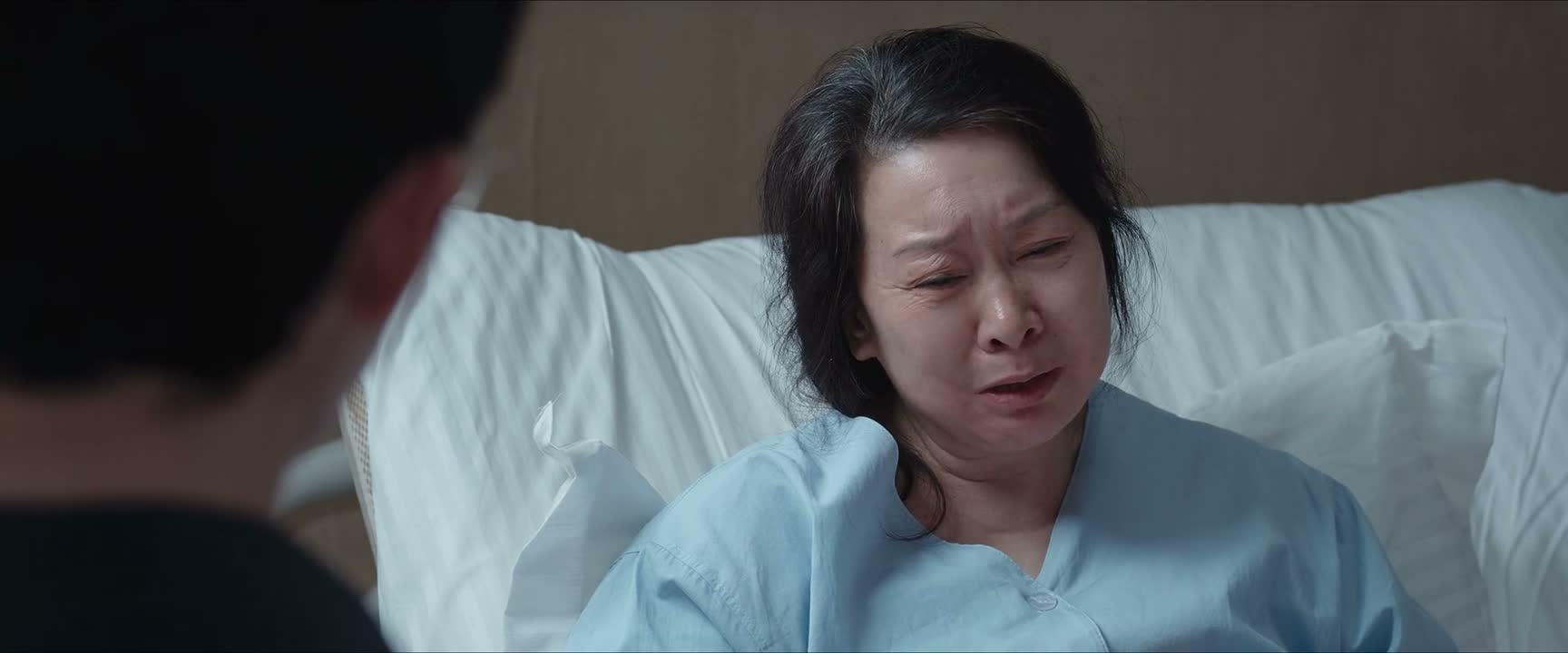
“left us and walked away.”
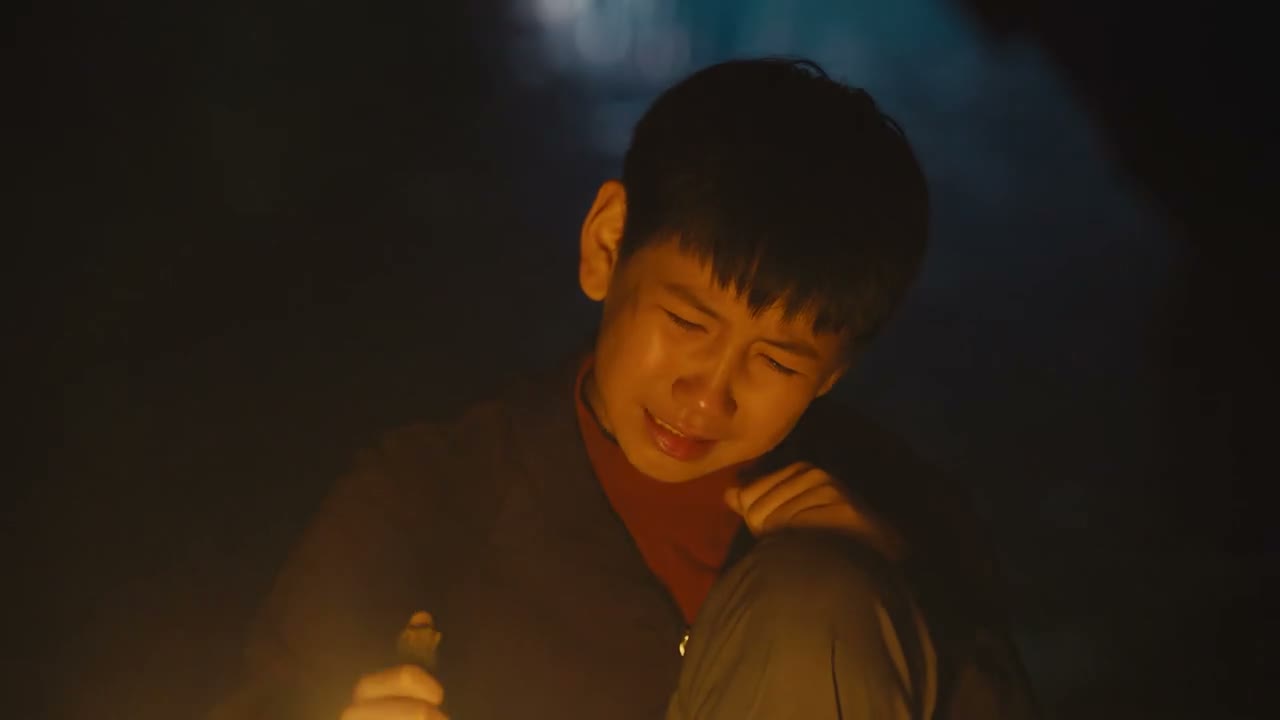
“that she had to see it even if it meant leaving me behind?”

“Why did you abandon me? Why?”

“please don't leave me, okay?”