不先得照顾自己的娃呢
“don't they favor their own kids first?”
THE DIALOGUE REEL
哪个单位招人
“When any workplace is hiring,”
不先得 照顾自己的娃 呢
“don't they favor their own kids first?”
你来得正好
“Good that you're here.”
“Of course we take care of our own people before anyone else.”
In historical Chinese work-unit (danwei) culture, securing employment and benefits for one's own dependents was universally seen as a primary and justified moral obligation.
LEARNING CHUNKS & PARTICLES
look after one's own children
A colloquial northern expression referring to taking care of offspring or family dependents.
Frames the rhetorical question with a reflective, slightly argumentative cadence, emphasizing self-evidence.
VOCABULARY & EXPRESSIONS
Parallel Spoken Cinema Scenes (语义近邻切片)

“you must take care of yourself for the sake of your child.”

“We must take good care of the child.”

“learn to take care of yourself.”

“You must take good care of yourself.”
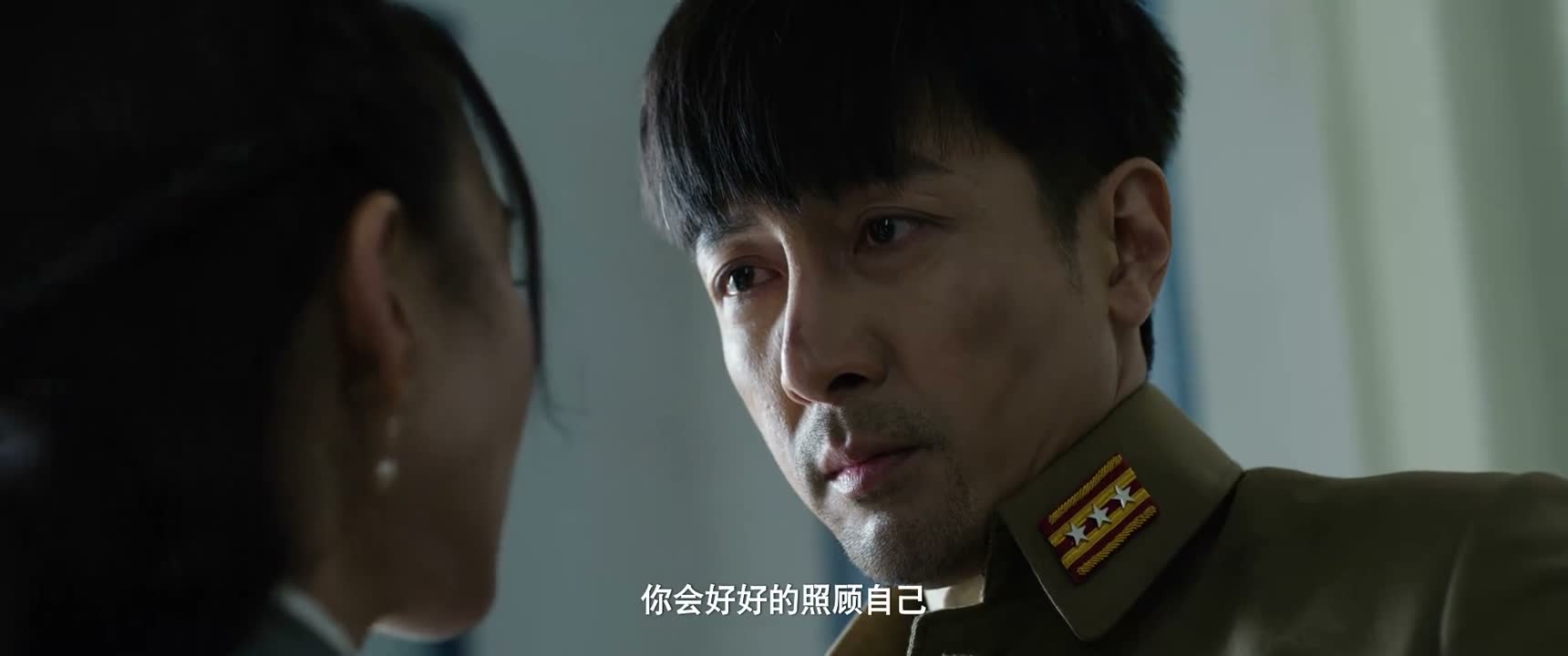
“That you'd take good care of yourself?”

“How can you take care of yourself?”