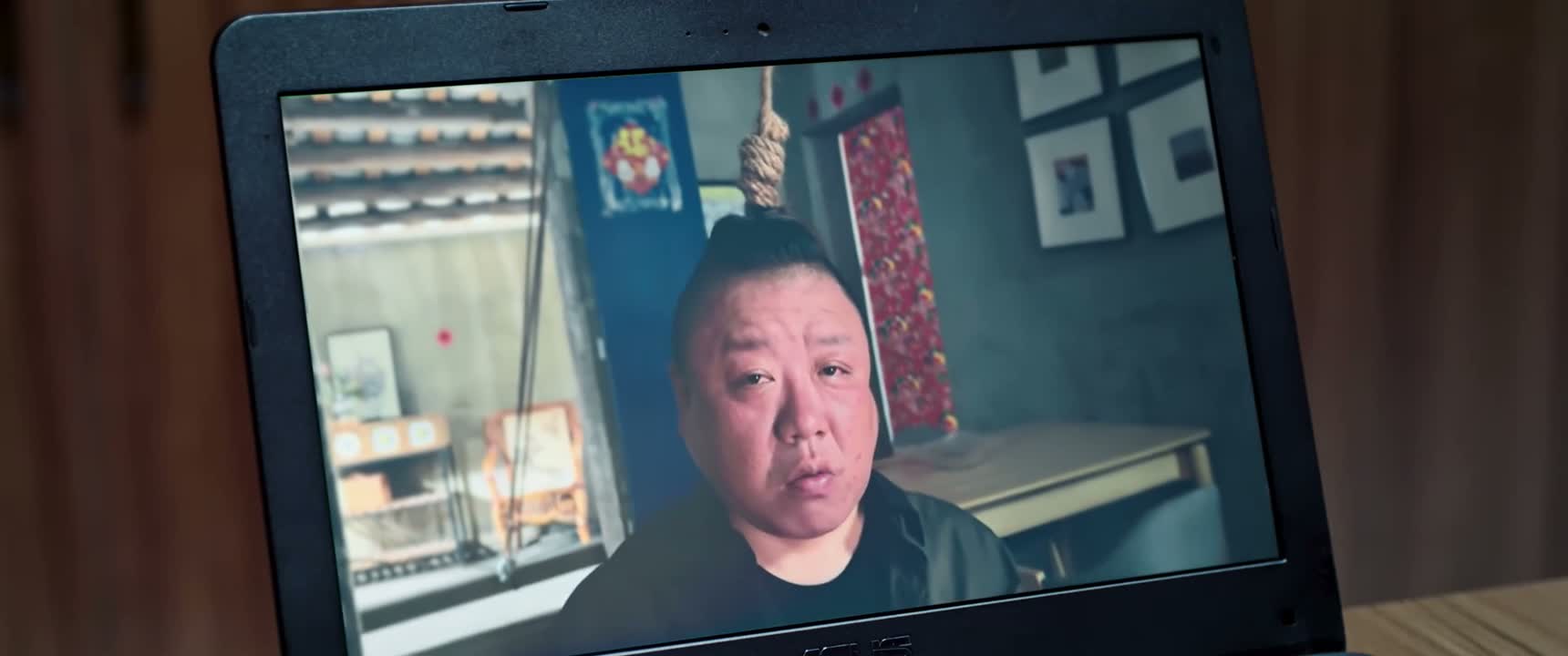
《The Heir》 S1·E26 (09:56)
HSK 6
wǒ bù dé hǎo sǐ wǒ
我不得好死 我
“and die a horrible death. I...”
《The Heir》
S1·E26
TIMECODE: 09:56
·
1080P MASTER AUDIO
THE DIALOGUE REEL
[-1] PREVIOUS TURN
wǒ lǐ dé cái ruò shì zài fù chūn huā zài yǒu yì xīn wǒ wǒ tiān dǎ léi pī
我李德才若是再负春花 再有异心 我 我天打雷劈
“If I, Li Decai, let Chunhua down again, or show any disloyalty, may I be struck by lightning”
wǒ bù dé hǎo sǐ wǒ
CURRENT FOCUS
我 不得好死 我
“and die a horrible death. I...”
[+1] FOLLOW-UP TURN
jǐng dōng shū nà ge hùn zhàng dōng xī ne
“Uncle Jingdong. Where is that bastard?”
Subtitles synced to millisecond timecode
Browse Show Clips →
Scene:
Crisis & Conflict
Function:
SWEARING AN OATH
Tone:
PLEADING
Emotion:
DESPERATION
WHAT THEY REALLY MEAN (PRAGMATIC SUBTEXT)
“Look how far I am willing to go—please believe me and don't abandon me!”
💡 Cultural Insight: Self-cursing Oaths (Fa Shi)
In Chinese folklore and vernacular culture, taking heavy oaths invoking retribution from heaven or tragic death is a dramatic rhetorical device used to overcome deep distrust.
INTENT TAGS:
#oath_taking
#pleading
#self_curse
#desperation
🧩
1 CHUNKS · 0 PARTICLES
LEARNING CHUNKS & PARTICLES
不得好死
SPOKEN CHUNK
to die a horrible death; to come to a bad end
A traditional severe self-curse invoked in solemn oaths to demonstrate total earnestness under suspicion.
🏮
1 EXPR · 0 GRAMMAR
VOCABULARY & EXPRESSIONS
COLLOQUIAL EXPRESSIONS:
CROSS-CINEMA CORPUS BOARD · PARALLEL SCENES
EXPLORE BY SEMANTIC SIMILARITY
Parallel Spoken Cinema Scenes (语义近邻切片)
《The Heir》 S1·E26 (09:56) · Authentic Cinema Dialogue Corpus