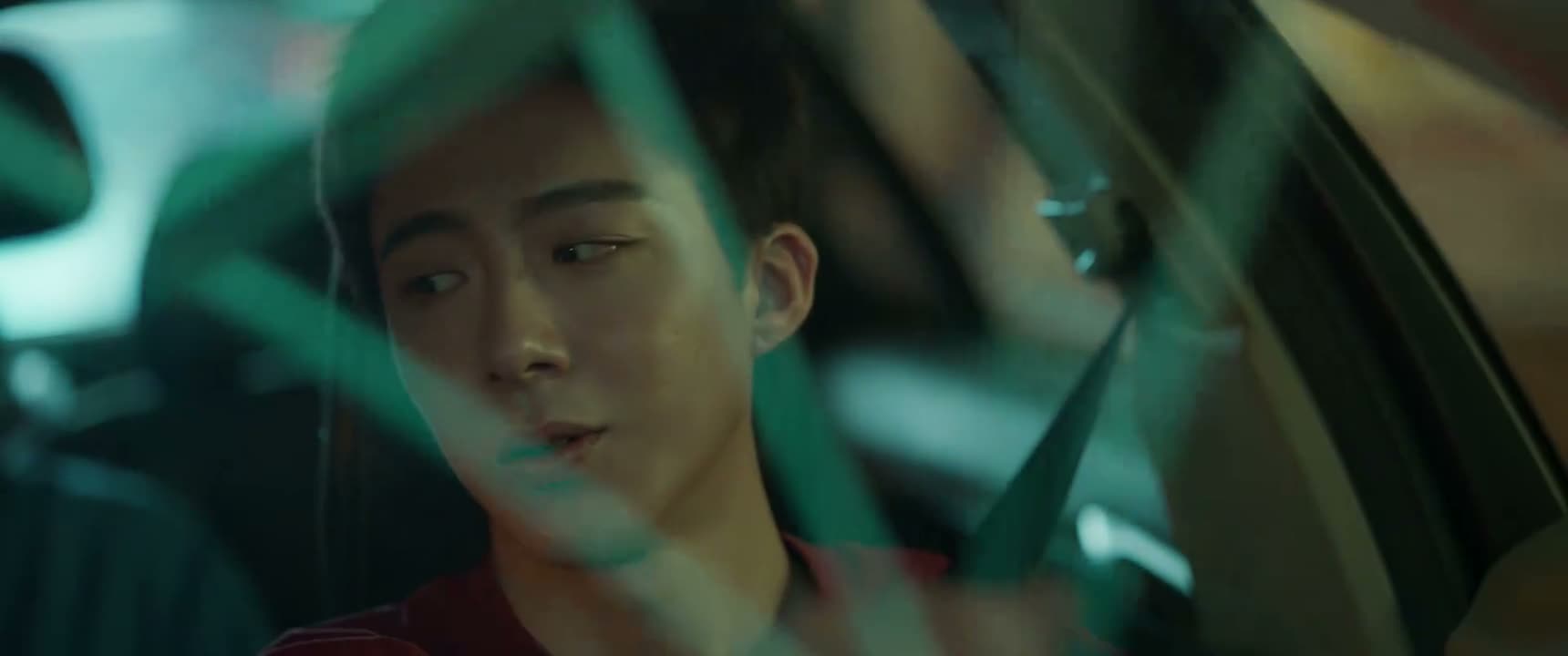
《Vanished Name》 S1·E25 (25:57)
HSK 5
wǒ huàn wèi sī kǎo guò zhēn de
我换位思考过 真的
“I've put myself in your shoes, really.”
《Vanished Name》
S1·E25
TIMECODE: 25:57
·
1080P MASTER AUDIO
THE DIALOGUE REEL
[-1] PREVIOUS TURN
bù yòng duì bù qǐ
不用对不起
“No need.”
wǒ huàn wèi sī kǎo guò zhēn de
CURRENT FOCUS
我 换位思考 过 真的
“I've put myself in your shoes, really.”
[+1] FOLLOW-UP TURN
wǒ yě dài bù chū shǒu
我也带不出手
“I'm quite embarrassing.”
Subtitles synced to millisecond timecode
Browse Show Clips →
Scene:
Social & Dating
Function:
JUSTIFYING STANDPOINT
Tone:
EARNEST
Emotion:
RESIGNATION
WHAT THEY REALLY MEAN (PRAGMATIC SUBTEXT)
“Don't think I'm being unfair—I genuinely tried to understand your side, but I still can't accept it.”
💡 Cultural Insight: Empathy as Justification
Invoking empathetic consideration ('putting oneself in another's shoes') is often used in Chinese interpersonal disputes to demonstrate fairness and rational deliberation before delivering an uncomfortable rejection.
INTENT TAGS:
#justification
#empathy
#validation
#rationalization
🧩
1 CHUNKS · 0 PARTICLES
LEARNING CHUNKS & PARTICLES
换位思考
SPOKEN CHUNK
to put oneself in another person's shoes; perspective-taking
A very common four-character expression used when discussing empathy, conflict resolution, or interpersonal reasoning.
🏮
2 EXPR · 0 GRAMMAR
VOCABULARY & EXPRESSIONS
COLLOQUIAL EXPRESSIONS:
CROSS-CINEMA CORPUS BOARD · PARALLEL SCENES
EXPLORE BY SEMANTIC SIMILARITY
Parallel Spoken Cinema Scenes (语义近邻切片)
《Vanished Name》 S1·E25 (25:57) · Authentic Cinema Dialogue Corpus