MC
MandarinClips Cinema Corpus
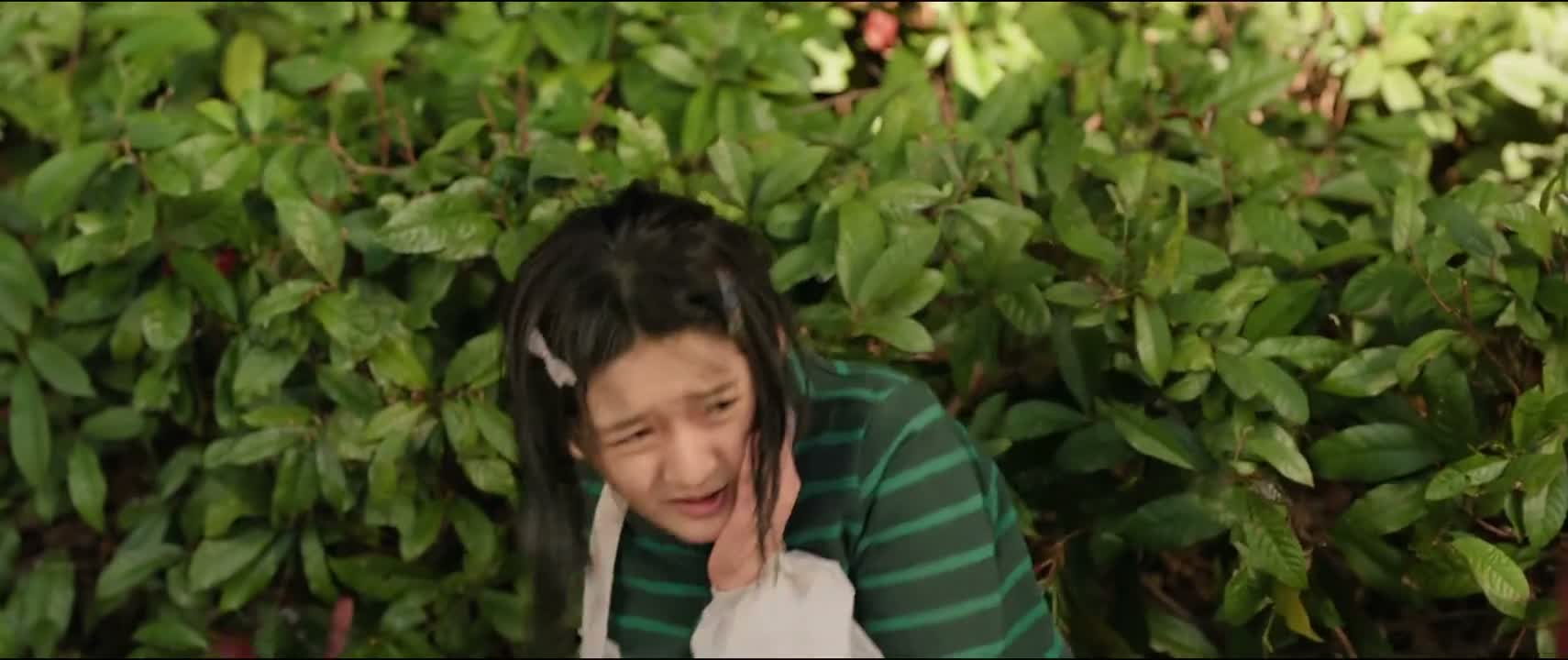
《My Destiny》 S1·E16 (16:05) HSK 2
ā nán jiě wǒ cuò le cuò nǎ ér le

阿楠姐 我错了 错哪儿了

“Nan, I'm sorry! Sorry for what?”

《My Destiny》 S1·E16
TIMECODE: 16:05 · 1080P MASTER AUDIO

THE DIALOGUE REEL

1+1+1 SPOKEN CONTINUITY
[-1] PREVIOUS TURN gěi nǐ liǎn hái bú yào liǎn le

给你脸还不要脸了

“I thought you knew better!”

ā nán jiě wǒ cuò le cuò nǎ ér le CURRENT FOCUS

阿楠姐 我错了 错哪儿了

“Nan, I'm sorry! Sorry for what?”

[+1] FOLLOW-UP TURN wǒ wǒ yě bù zhī dào a nán jiě

我 我也不知道啊 楠姐

“I... I don't know. Nan.”

Subtitles synced to millisecond timecode Browse Show Clips →
Scene: Crisis & Conflict
Function: DEMANDING EXPLANATION
Tone: AGGRESSIVE
Emotion: FEAR
WHAT THEY REALLY MEAN (PRAGMATIC SUBTEXT)
“You claim you are sorry, but do you even have a clue what you did wrong?”
💡 Cultural Insight: Interrogative Apology Handling (认错与追问)

In Chinese hierarchical relationships, simply saying '我错了' is often insufficient; authority figures demand deep self-criticism by pressing with '错哪儿了'.

INTENT TAGS: #submissive_apology #interrogation #pressing_accountability #hierarchy
🧩

LEARNING CHUNKS & PARTICLES

2 CHUNKS · 1 PARTICLES
我错了 SPOKEN CHUNK

I was wrong / my mistake

Standard spoken admission of fault, often used to diffuse immediate confrontation or appease a superior.

错哪儿了 SPOKEN CHUNK

what exactly did you do wrong?

A classic aggressive interrogation response to an apology, indicating the speaker does not believe the apology is genuine.

Modal Particle「了」 (le) CHANGE OF STATE

Marks the completed state of the mistake, anchoring the inquiry into specific past misbehavior.
🏮

VOCABULARY & EXPRESSIONS

2 EXPR · 0 GRAMMAR
CROSS-CINEMA CORPUS BOARD · PARALLEL SCENES

Parallel Spoken Cinema Scenes (语义近邻切片)

EXPLORE BY SEMANTIC SIMILARITY
《My Destiny》 S1·E16 (16:05) · Authentic Cinema Dialogue Corpus