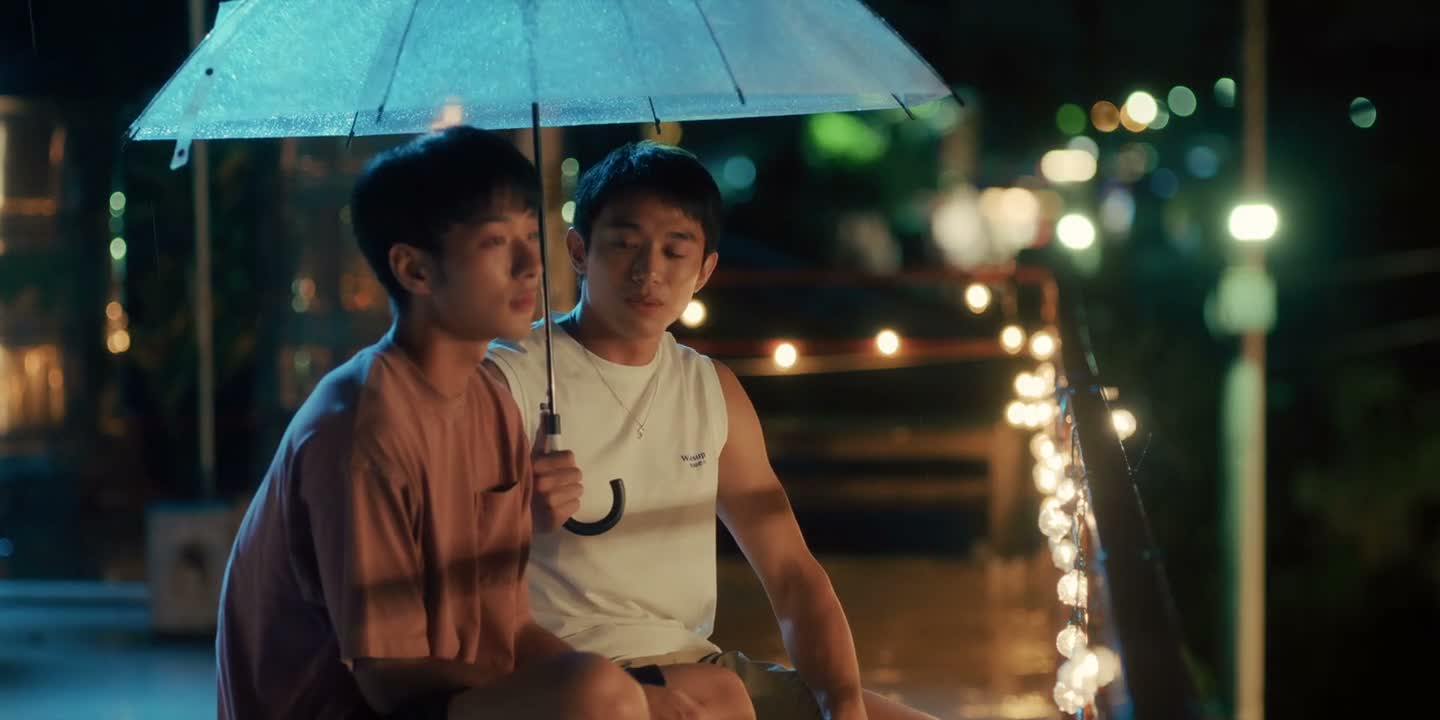
《Love Story in the 1970s》 S1·E26 (04:52)
HSK 3
dà jiā gèng xǐ huān shéi de huà fēng
大家更喜欢谁的画风
“whose style they really prefer in the end.”
《Love Story in the 1970s》
S1·E26
TIMECODE: 04:52
·
1080P MASTER AUDIO
THE DIALOGUE REEL
[-1] PREVIOUS TURN
kàn kàn dào le zuì hòu
看看到了最后
“We'll see”
dà jiā gèng xǐ huān shéi de huà fēng
CURRENT FOCUS
大家 更喜欢 谁的画风
“whose style they really prefer in the end.”
[+1] FOLLOW-UP TURN
bǐ sài kě yǐ a
比赛可以啊
“Sure, we can compete.”
Subtitles synced to millisecond timecode
Browse Show Clips →
Scene:
Social & Dating
Function:
SOLICITING OPINION
Tone:
ENGAGING
Emotion:
CURIOSITY
WHAT THEY REALLY MEAN (PRAGMATIC SUBTEXT)
Direct spoken expression in this communicative setting.
💡 Cultural Insight: Audience Engagement in Creative Communities
Addressing the collective group as 'dajia' is standard in Chinese digital and social media communities to generate interaction and solicit feedback.
INTENT TAGS:
#inquiry
#comparison
#polling
#engagement
🧩
2 CHUNKS · 0 PARTICLES
LEARNING CHUNKS & PARTICLES
画风
SPOKEN CHUNK
art style / drawing style
Commonly used in pop culture, anime, and design to refer to visual style or an artistic aesthetic.
更喜欢
SPOKEN CHUNK
prefer / like more
A standard spoken pattern to ask for comparative preferences among multiple options.
🏮
1 EXPR · 0 GRAMMAR
VOCABULARY & EXPRESSIONS
COLLOQUIAL EXPRESSIONS:
CROSS-CINEMA CORPUS BOARD · PARALLEL SCENES
EXPLORE BY SEMANTIC SIMILARITY
Parallel Spoken Cinema Scenes (语义近邻切片)
《Love Story in the 1970s》 S1·E26 (04:52) · Authentic Cinema Dialogue Corpus