站在江寒声面前主动为我顶包
“standing in front of Jiang Hansheng and volunteering to take the blame for me.”
THE DIALOGUE REEL
站在江寒声面前主动为我 顶包
“standing in front of Jiang Hansheng and volunteering to take the blame for me.”
那是他自己的选择我没逼他 我一点都没逼他
“It was his own choice. I didn't force him. I didn't force him to do anything.”
“He went so far as to take the rap for me without hesitation.”
In Chinese underworld or crime narratives, 'taking the fall' represents extreme loyalty or sacrifice, but it also creates heavy emotional indebtedness (人情债) for the recipient.
LEARNING CHUNKS & PARTICLES
to take the rap; to be a scapegoat for someone else
Informal slang frequently used in crime and legal contexts to describe taking the blame or going to jail on another person's behalf.
voluntarily; of one's own accord
Used as an adverb before verbs to emphasize that an action was taken by one's own initiative without being asked.
VOCABULARY & EXPRESSIONS
Parallel Spoken Cinema Scenes (语义近邻切片)
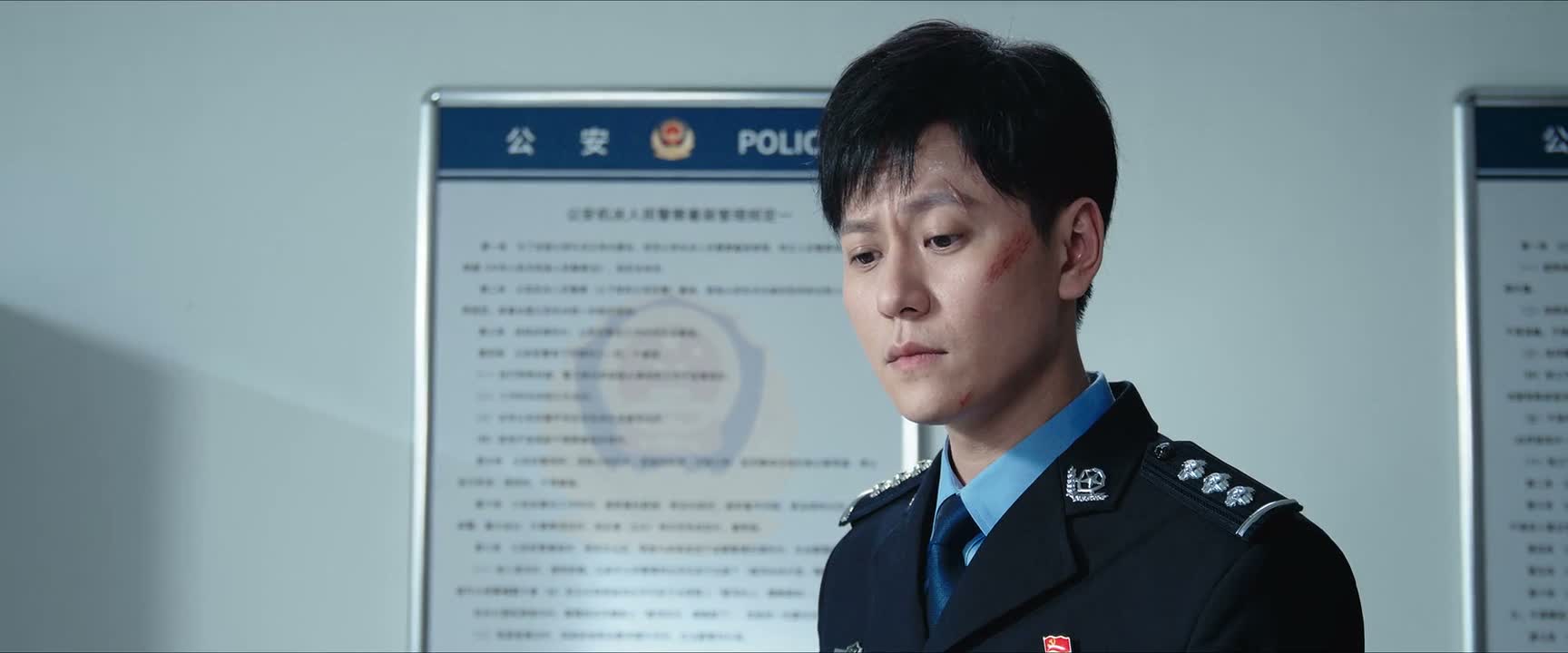
“You were kicked out by Jiang Hansheng?”

“I'm telling you, Jiang Hansheng. If anything happens to my dad,”
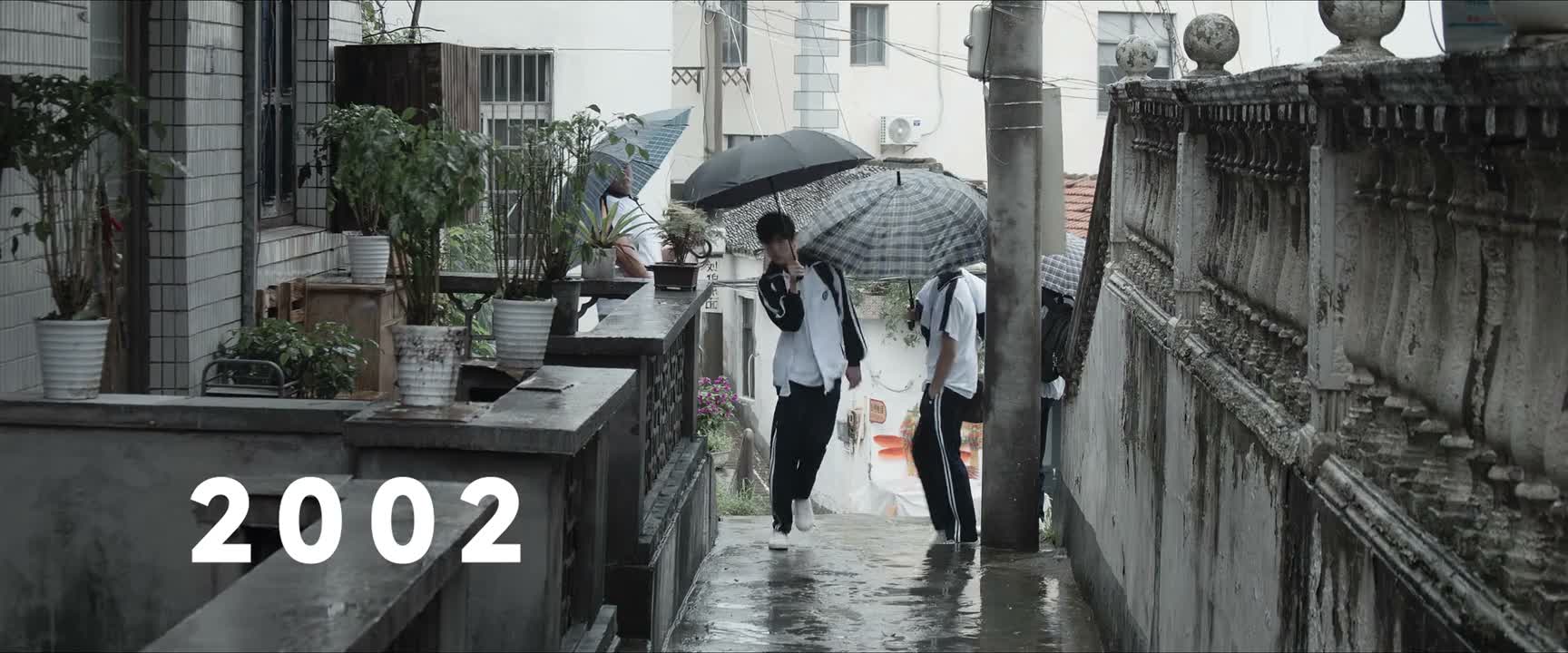
“[2002] Jiang Hansheng, what's going on with you?”

“Is Jiang Hansheng with you because he loves you,”

“Jiang Hansheng is provoking Qi Yan. He's probably trying to make him empty his magazine.”
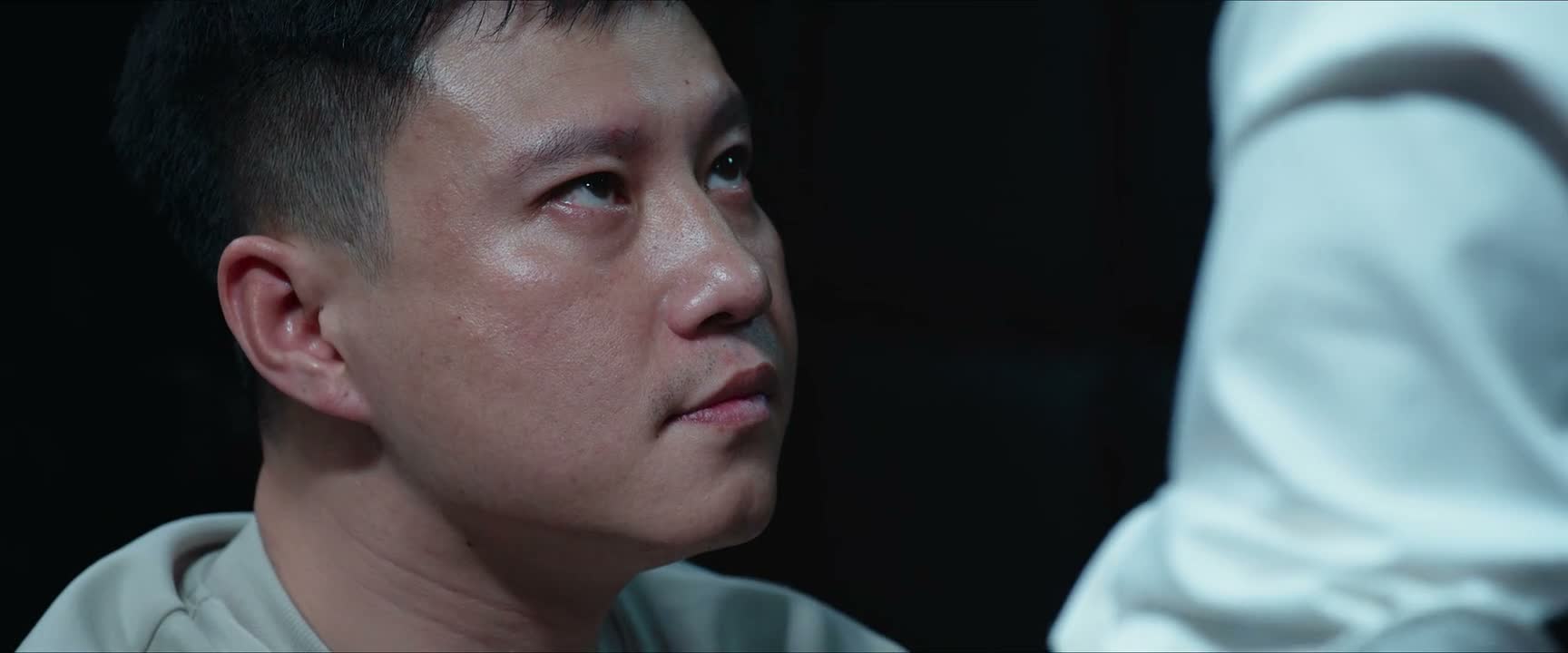
“Jiang Hansheng is a pretentious person.”