MC
MandarinClips Cinema Corpus
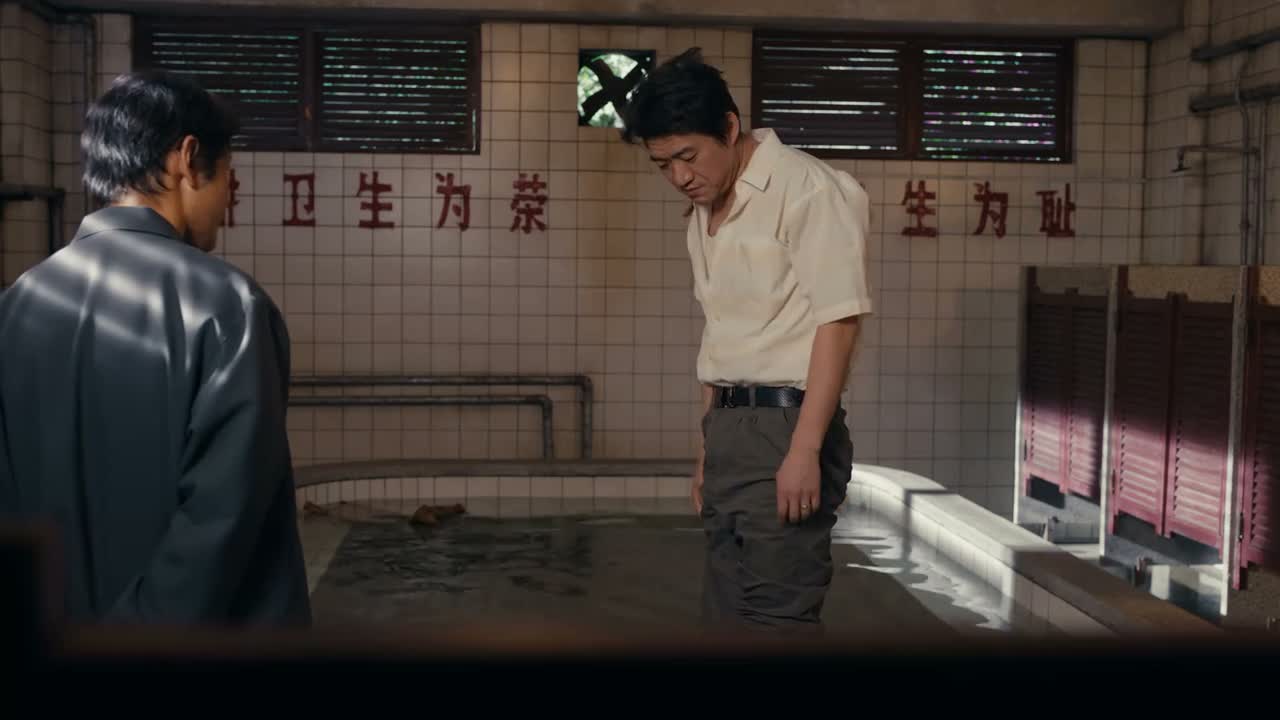
《Echoes of a Thousand Moons》 S1·E4 (04:08) HSK 6
fā shén me dāi ne

发什么呆呢

“What are you staring at?”

《Echoes of a Thousand Moons》 S1·E4
TIMECODE: 04:08 · 1080P MASTER AUDIO

THE DIALOGUE REEL

1+1+1 SPOKEN CONTINUITY
[-1] PREVIOUS TURN wèi xī tián

喂 西田

“Hey, Xitian.”

fā shén me dāi ne CURRENT FOCUS

发什么呆 呢

“What are you staring at?”

[+1] FOLLOW-UP TURN zhè cháo shī de kōng qì lǐ hùn zá zhe chái huǒ de yān gǎn jué hěn xīng chòu a

这潮湿的空气里 混杂着柴火的烟 感觉很腥臭啊

“In this damp air, mixed with firewood smoke, it smells quite foul.”

Subtitles synced to millisecond timecode Browse Show Clips →
Scene: Social & Dating
Function: INQUIRING STATE
Tone: CASUAL
Emotion: CURIOSITY
WHAT THEY REALLY MEAN (PRAGMATIC SUBTEXT)

Direct spoken expression in this communicative setting.

💡 Cultural Insight: Casual Companionship Pacing

Asking someone why they are 'spacing out' serves as a low-pressure icebreaker in informal Chinese interactions, encouraging them to share spontaneous observations.

INTENT TAGS: #attention_checking #probing #casual_inquiry #banter
🧩

LEARNING CHUNKS & PARTICLES

2 CHUNKS · 1 PARTICLES
发呆 SPOKEN CHUNK

to daydream; to zone out; to stare blankly

A very common colloquial verb-object phrase describing absent-minded staring or deep lost-in-thought moments.

发什么呆呢 SPOKEN CHUNK

Why are you zoning out? What are you lost in thought about?

A natural, everyday rhetorical inquiry used to pull a friend or coworker back from their thoughts.

Modal Particle「呢」 (ne) CHANGE OF STATE

Softens the rhetorical question and indicates an ongoing action, making the check-in friendlier and less demanding.
🏮

VOCABULARY & EXPRESSIONS

1 EXPR · 0 GRAMMAR
COLLOQUIAL EXPRESSIONS:
CROSS-CINEMA CORPUS BOARD · PARALLEL SCENES

Parallel Spoken Cinema Scenes (语义近邻切片)

EXPLORE BY SEMANTIC SIMILARITY
《Echoes of a Thousand Moons》 S1·E4 (04:08) · Authentic Cinema Dialogue Corpus