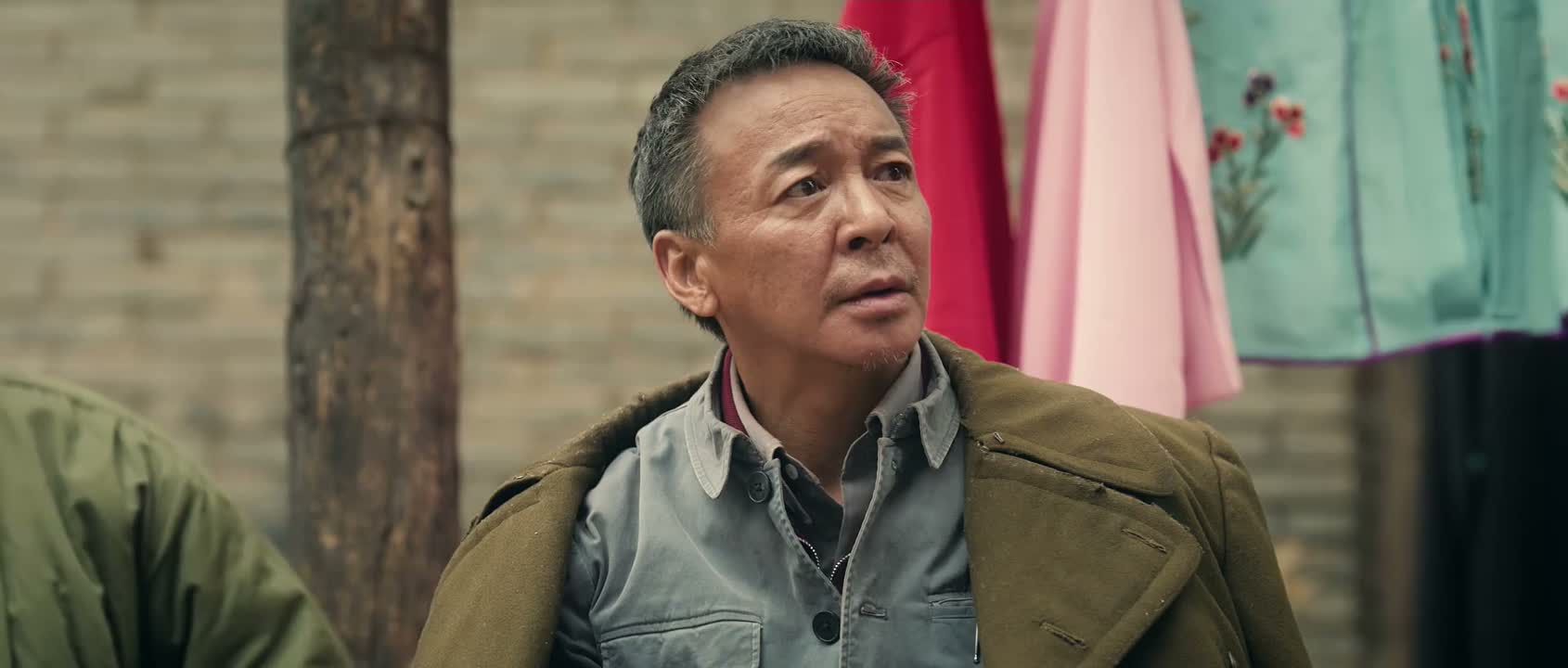
我当时十八岁 年轻气盛
“I was only 18 then, young and hot-headed.”
THE DIALOGUE REEL
否则就走人
“Otherwise, I had to leave.”
我当时十八岁 年轻气盛
“I was only 18 then, young and hot-headed.”
所以就跟他在店里边打起来了
“So I ended up fighting him right there in the shop.”
Direct spoken expression in this communicative setting.
In Chinese culture, youthful rashness is often acknowledged as an understandable phase of emotional immaturity, used post-hoc to mitigate blame for past conflicts.
LEARNING CHUNKS & PARTICLES
young and aggressive; impetuous
A common four-character idiom used to explain or excuse hot-headed behavior by young people.
at that time I...
A standard discourse marker used to set the temporal context when recounting past experiences.
VOCABULARY & EXPRESSIONS
Parallel Spoken Cinema Scenes (语义近邻切片)

“That was my youthful recklessness.”

“I was young and arrogant,”

“He was wilder than me back when he was young.”

“(He was wilder than me back when he was young.)”

“At your age, full of drive and energy,”

“I have a friend who was young and arrogant. He came to eliminate the demon,”
“You had tempers when you were young,”