年轻时候火气旺 对吧
“You had tempers when you were young,”
THE DIALOGUE REEL
年轻时候 火气旺 对吧
“You had tempers when you were young,”
我都能理解 现在都啥年了 底火早都潮了
“I get that. But look how old we are now. That fire should be long gone.”
“We were both hot-headed kids back then—let's not hold a grudge over stupid arguments from our youth.”
In Chinese folk physiology and psychology, 'huoqi' (fire/temper) is believed to be naturally high in young people, making them prone to rashness, which mature adults look back on with tolerant understanding.
LEARNING CHUNKS & PARTICLES
quick-tempered / having an excess of internal fire
A metaphor drawn from Traditional Chinese Medicine referring to youthful impulsiveness, irritability, and hot temper.
in one's youth / back when one was young
Frequently used by older speakers when reminiscing about past follies or excusing youthful mistakes.
Solicits agreement from the listener, creating an inclusive and consensus-seeking tone.
VOCABULARY & EXPRESSIONS
Parallel Spoken Cinema Scenes (语义近邻切片)

“She is young and impulsive. Everyone has been through that.”

“In the past, I was young, defiant, and angry at the world,”
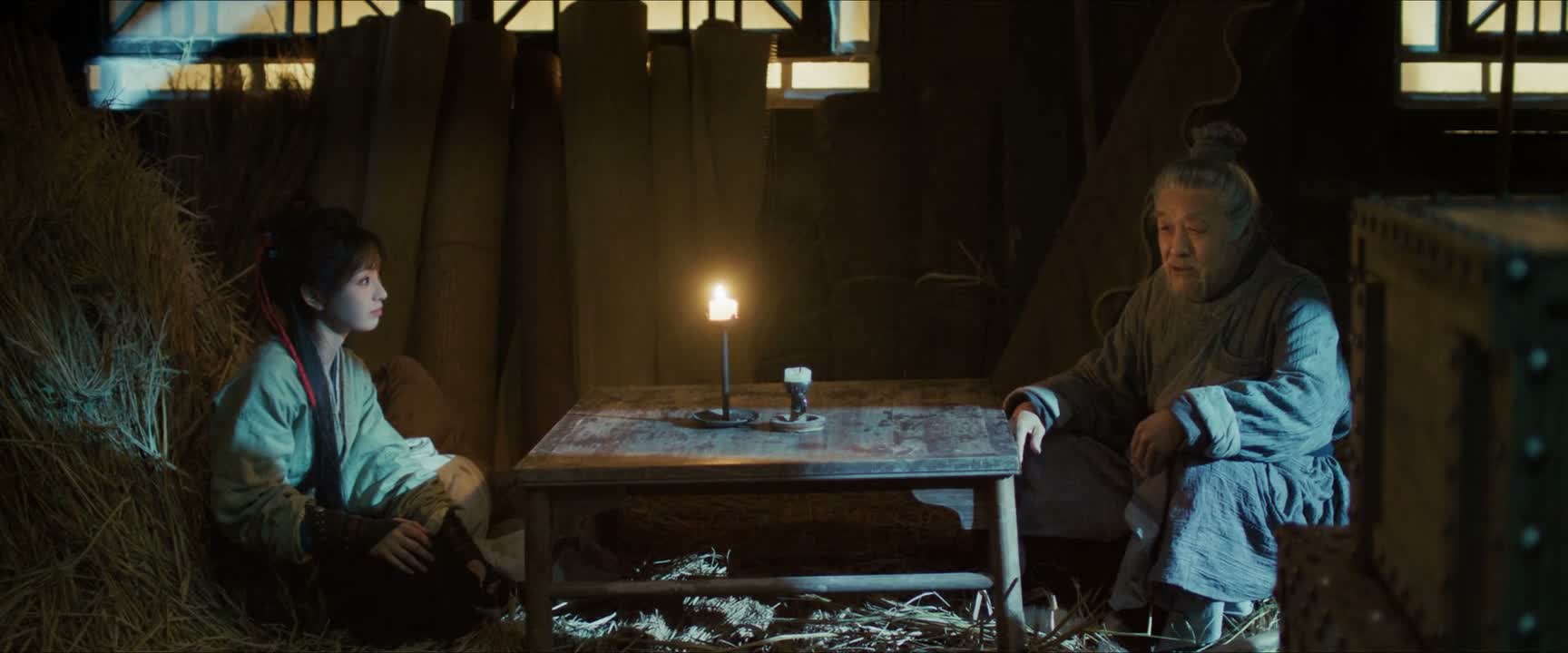
“He was hostile in his youth,”

“At your age, full of drive and energy,”
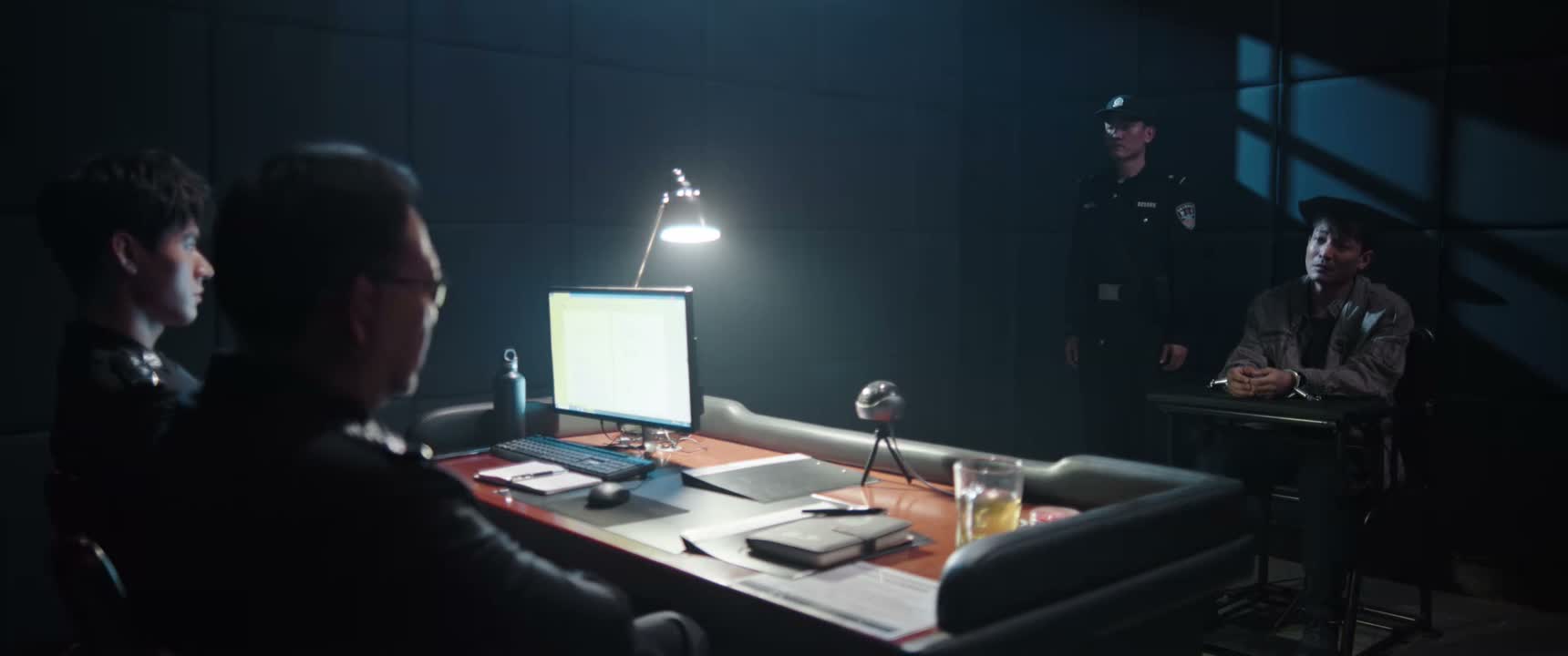
“I was only 18 then, young and hot-headed.”

“I have a friend who was young and arrogant. He came to eliminate the demon,”