《The Inner Eye》 S1·E18 (15:24)
HSK 3
tā bǎ zì jǐ de lù zǒu dào tóu le
他把自己的路走到头了
“walked his road to the end.”
《The Inner Eye》
S1·E18
TIMECODE: 15:24
·
1080P MASTER AUDIO
THE DIALOGUE REEL
[-1] PREVIOUS TURN
nǐ gē gē
你哥哥
“Your brother”
tā bǎ zì jǐ de lù zǒu dào tóu le
CURRENT FOCUS
他把 自己的 路走到头 了
“walked his road to the end.”
[+1] FOLLOW-UP TURN
zhè shì tā zì jǐ de cuò wù
这是他自己的错误
“That was his own mistake.”
Subtitles synced to millisecond timecode
Browse Show Clips →
Scene:
Crisis & Conflict
Function:
DELIVERING VERDICT
Tone:
RESOLUTE
Emotion:
DISAPPOINTMENT
WHAT THEY REALLY MEAN (PRAGMATIC SUBTEXT)
“He brought complete ruin upon himself, so do not expect any help or pity.”
💡 Cultural Insight: Self-inflicted Ruin (Zuo Si / Ziqiu Duo Fu)
Chinese cultural values hold individuals strictly accountable when personal ethical failures exhaust family protection.
INTENT TAGS:
#condemnation
#finality
#denying_sympathy
#moral_judgment
🧩
1 CHUNKS · 1 PARTICLES
LEARNING CHUNKS & PARTICLES
走到头
SPOKEN CHUNK
reach the end of the road; hit a dead end
A powerful metaphor indicating an irreversible downfall or the exhaustion of all viable options.
Modal Particle「了」 (le)
CHANGE OF STATE
Emphasizes the completed and irreversible state of ruin.
🏮
2 EXPR · 0 GRAMMAR
VOCABULARY & EXPRESSIONS
COLLOQUIAL EXPRESSIONS:
CROSS-CINEMA CORPUS BOARD · PARALLEL SCENES
EXPLORE BY SEMANTIC SIMILARITY
Parallel Spoken Cinema Scenes (语义近邻切片)
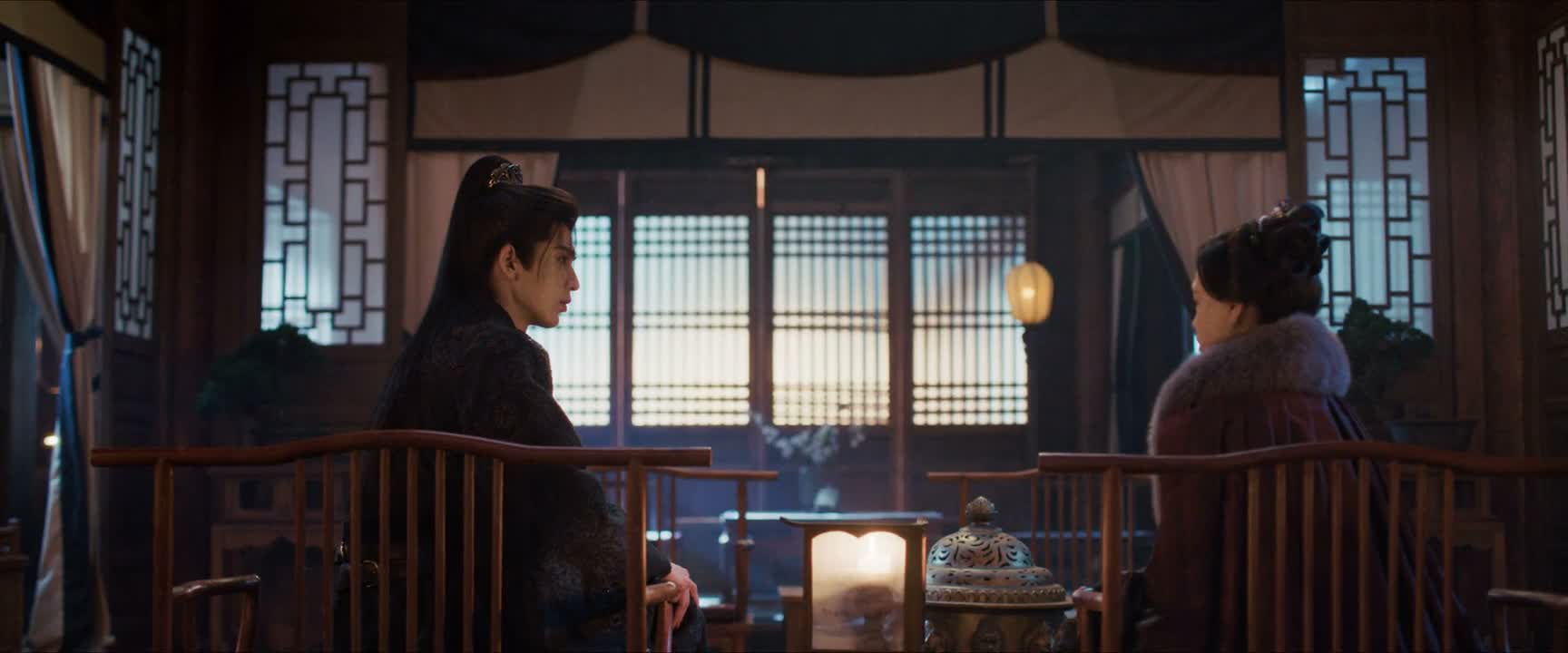
《The Inner Eye》 S1·E18 (15:24) · Authentic Cinema Dialogue Corpus