我找着太爷的时候 他胡子拉碴的
“When I found him, he was unshaven”
THE DIALOGUE REEL
难民所
“The refugee shelter?”
我找 着太爷 的时候 他 胡子拉碴 的
“When I found him, he was unshaven”
还穿着别人给的破棉袄 说话糊里糊涂的
“and wearing a tattered old coat someone had given him. He was talking nonsense.”
Direct spoken expression in this communicative setting.
Seeing an esteemed elder in an unkempt, destitute state invokes deep sadness and shame for relatives who value filial care.
LEARNING CHUNKS & PARTICLES
unshaven; scruffy beard; stubbly
A vivid colloquial adjective used to depict an unkempt, weathered, or disheveled male appearance.
great-grandfather; venerable old master
An honorific kinship term used for an elderly family patriarch or venerated senior.
Placed at the end of the descriptive phrase to reinforce the observed state.
VOCABULARY & EXPRESSIONS
Parallel Spoken Cinema Scenes (语义近邻切片)
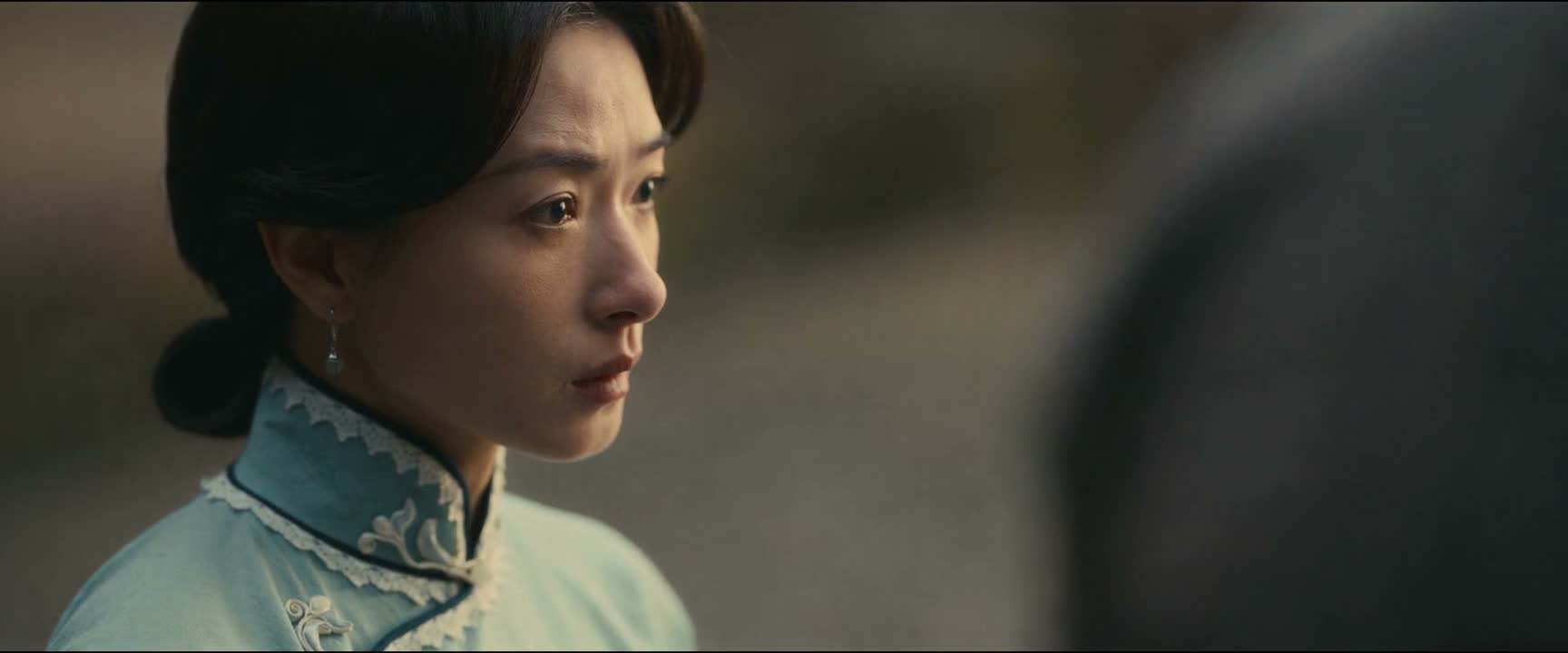
“If you don't tell me where the master is, I'll go find him.”
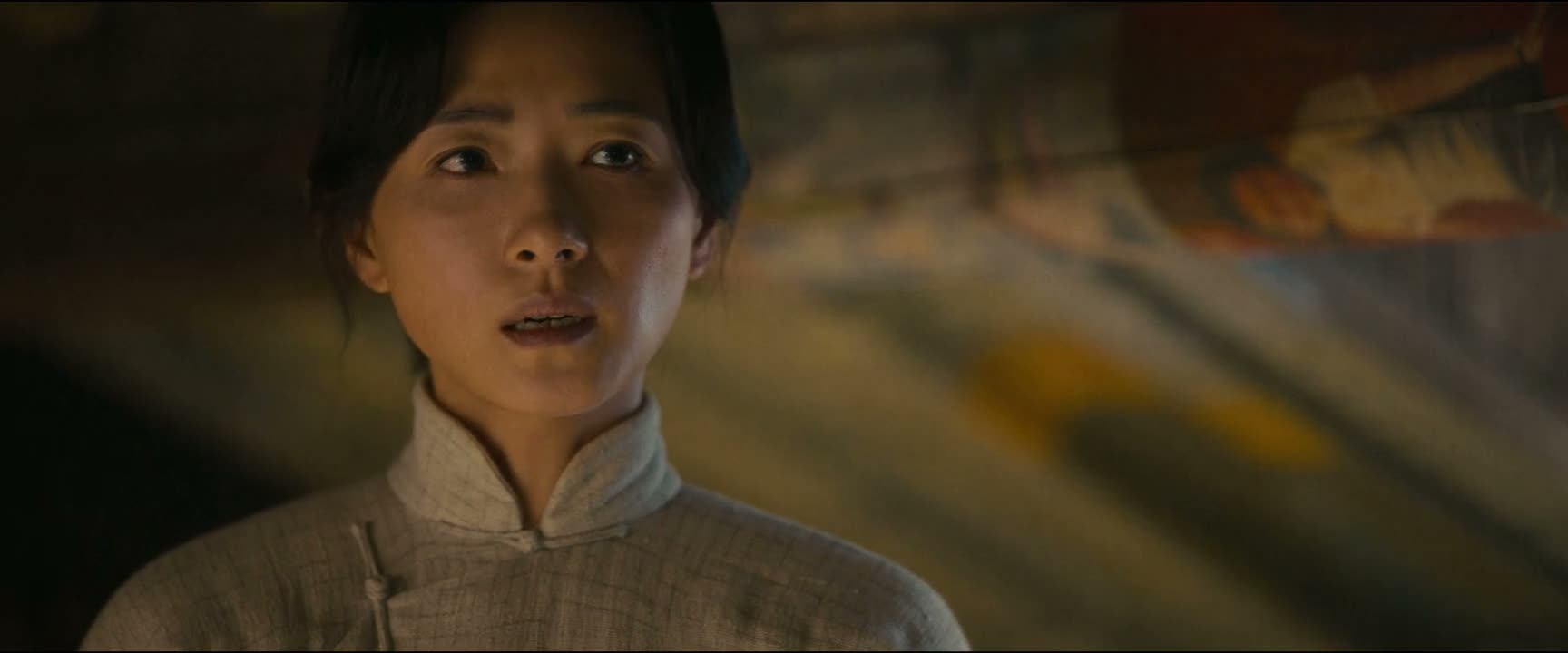
“where will Great-grandfather put his dignity?”
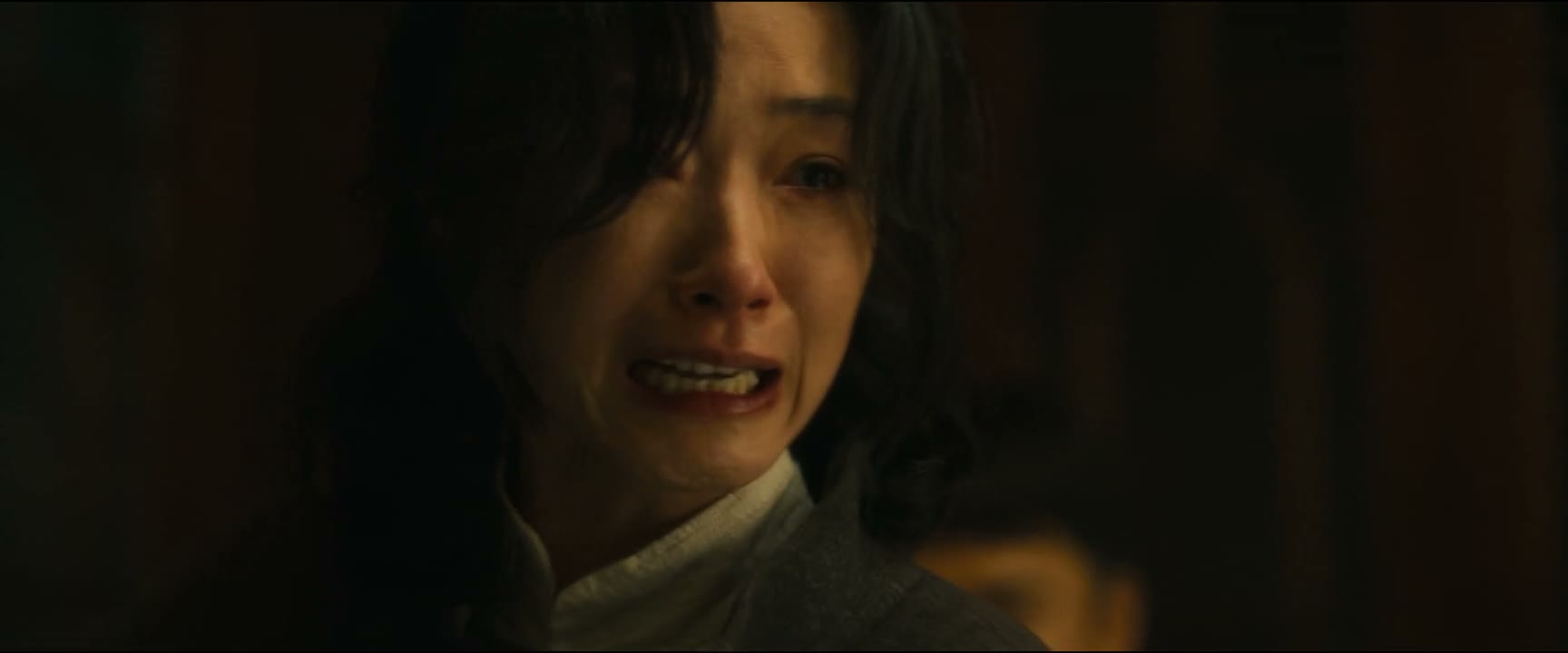
“you pushed Great-grandfather to a dead end.”
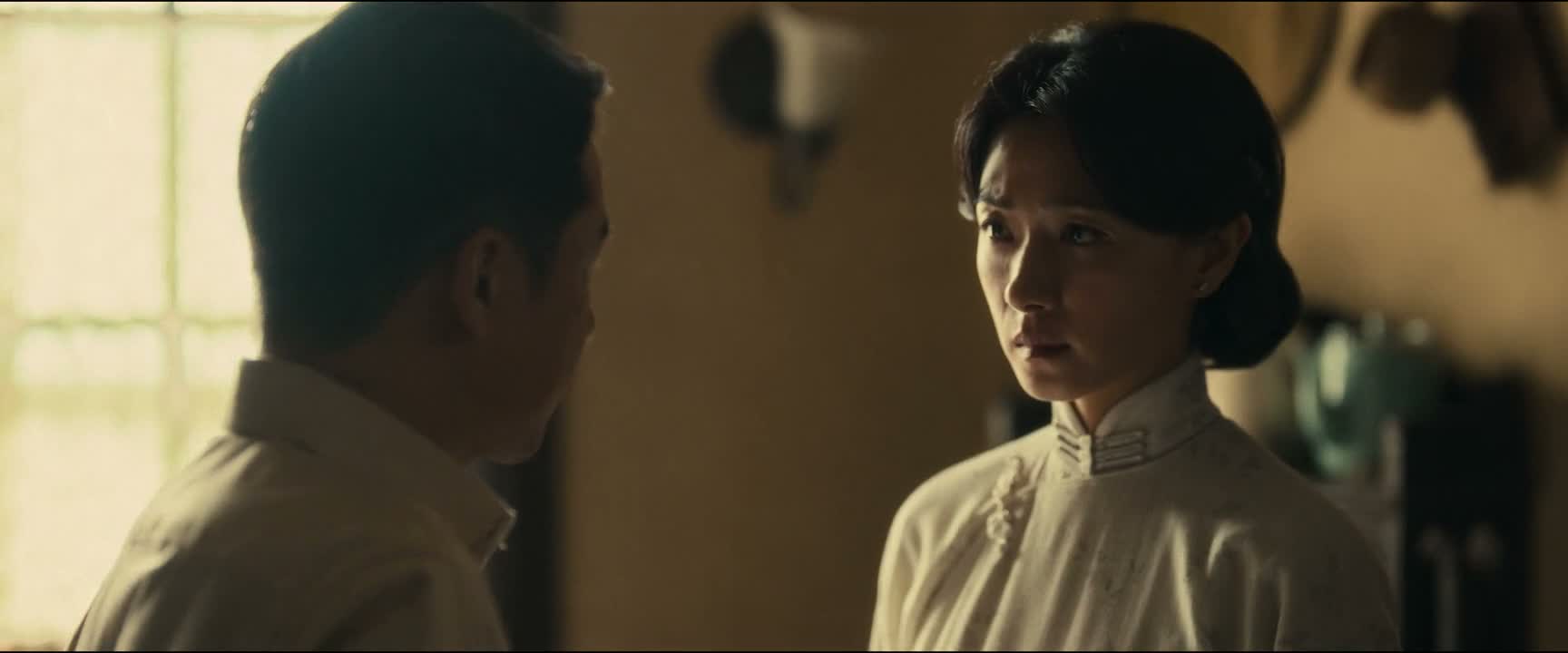
“Master is almost fully recovered.”
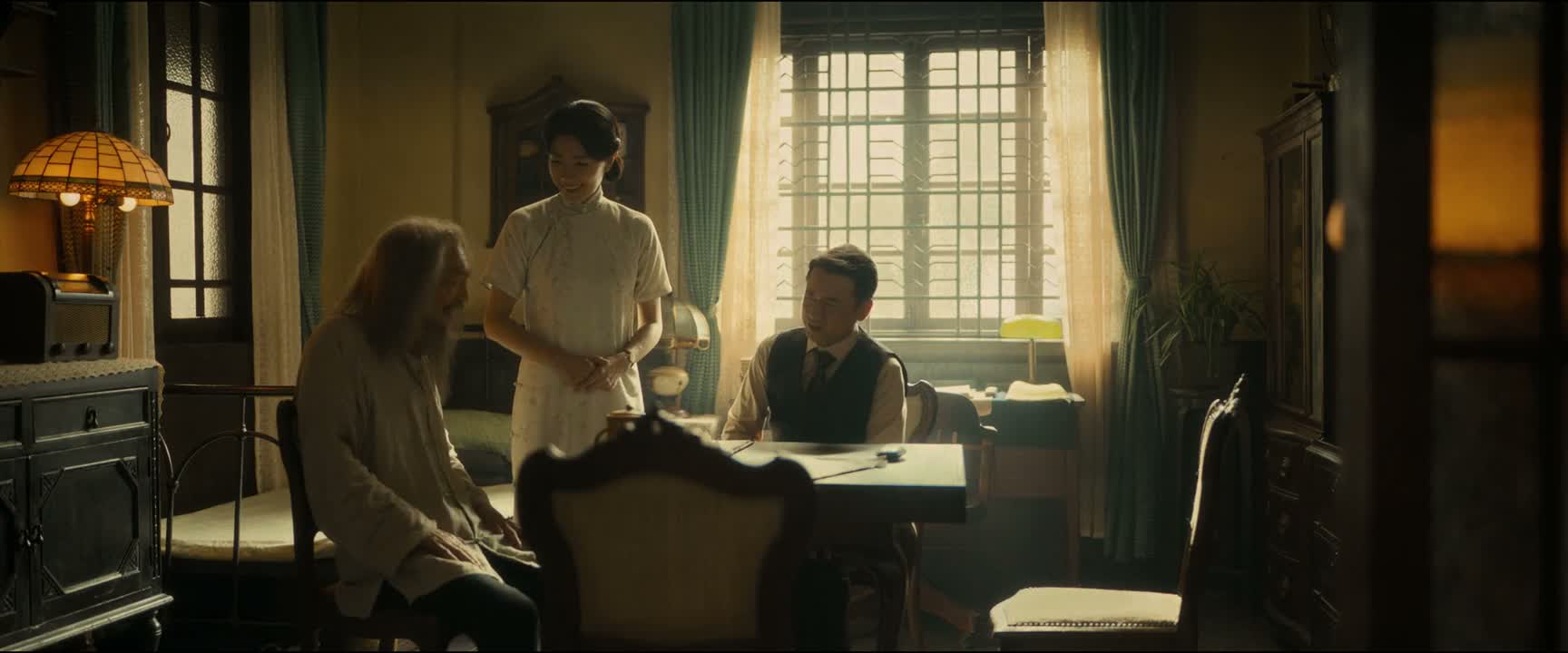
“Master, you startled me.”
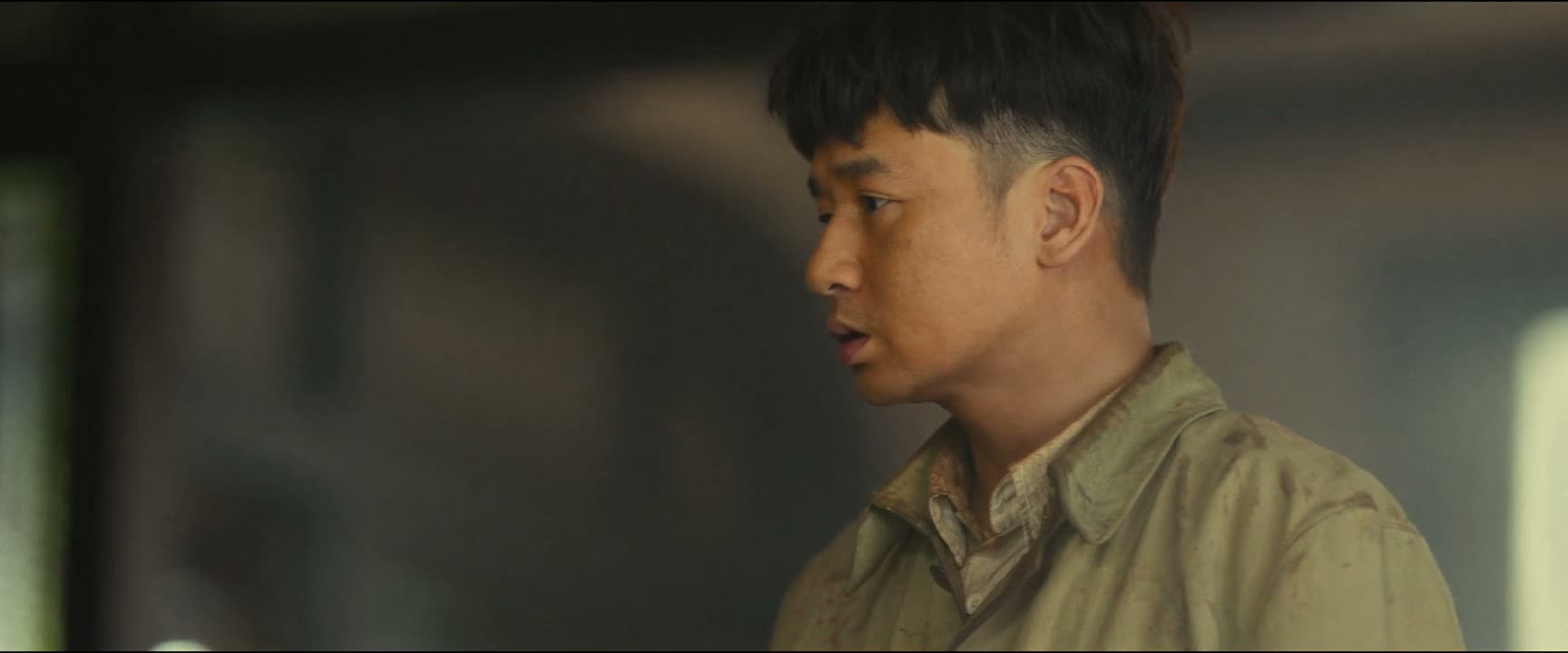
“Grandpa, what is not important? Skip to the later part. If there's no beginning,”