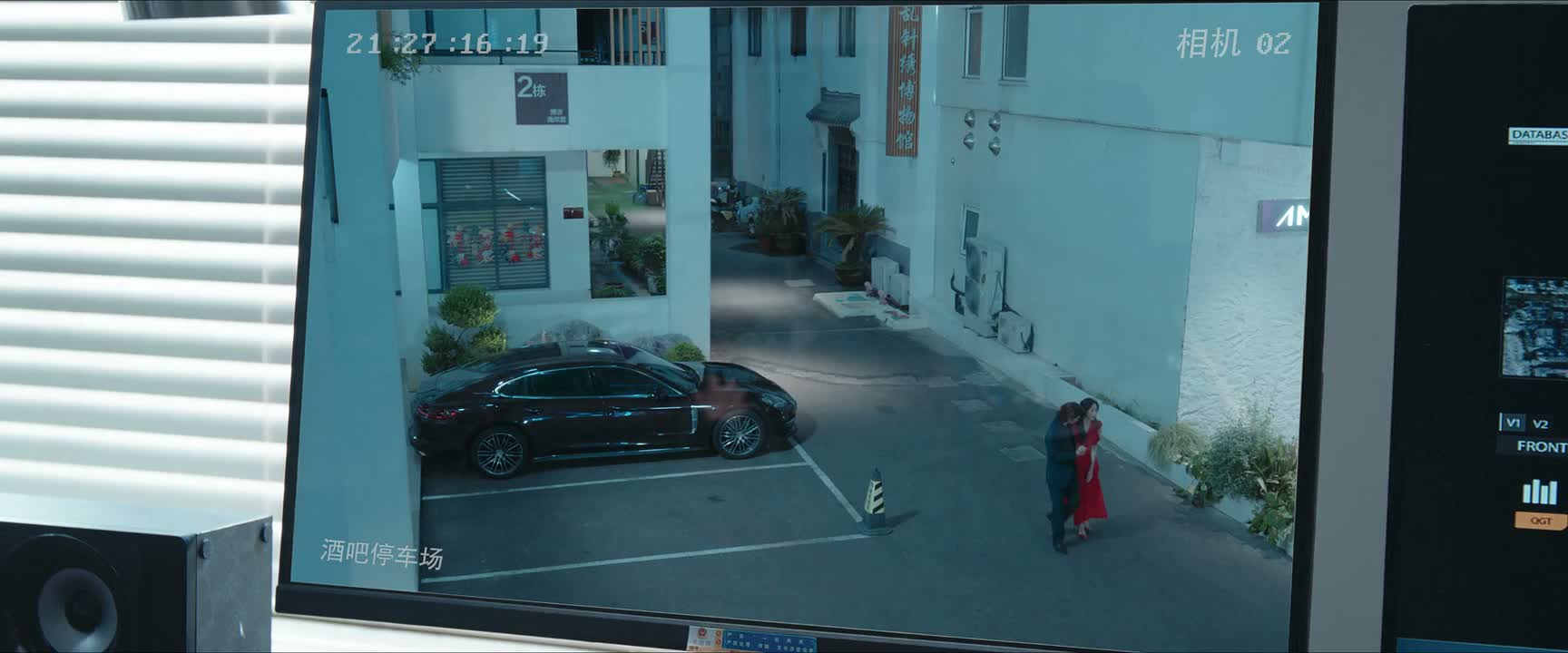
《Love Story in the 1970s》 S1·E7 (21:04)
HSK 7
dàn wǒ tōng cháng huì guǎn tā jiào táo bì
但我通常会管它叫逃避
“But I usually describe it as avoiding reality.”
《Love Story in the 1970s》
S1·E7
TIMECODE: 21:04
·
1080P MASTER AUDIO
THE DIALOGUE REEL
[-1] PREVIOUS TURN
rén lèi dà nǎo zuì jiǎo zhà de gōng néng zhī yī jiù shì shàn yú zhì zào huàn xiàng
人类大脑最狡诈的功能之一 就是善于制造幻象
“One of the most deceptive functions of the human brain is its knack for creating illusions.”
dàn wǒ tōng cháng huì guǎn tā jiào táo bì
CURRENT FOCUS
但我通常会 管它叫逃避
“But I usually describe it as avoiding reality.”
[+1] FOLLOW-UP TURN
xiàn zài tīng qǐ lái nǐ dào xiàng shì gè nǎo wài kē zhuān jiā le
“You sound like a neurosurgeon now.”
Subtitles synced to millisecond timecode
Browse Show Clips →
Scene:
Daily Life
Function:
REBUTTING ARGUMENT
Tone:
BLUNT
Emotion:
SKEPTICISM
WHAT THEY REALLY MEAN (PRAGMATIC SUBTEXT)
“Stop using high-sounding psychological terms; you are just running away from the truth.”
💡 Cultural Insight: Calling Out Intellectualization
Chinese conversationalists often use grounded, plainspoken terms to pierce through overly abstract rationalizations in personal debates.
INTENT TAGS:
#reframing
#calling_out
#disillusionment
#rebuttal
🧩
2 CHUNKS · 0 PARTICLES
LEARNING CHUNKS & PARTICLES
管...叫...
SPOKEN CHUNK
call something...
A highly colloquial pattern used to assign a specific label or subjective interpretation to a phenomenon.
逃避
SPOKEN CHUNK
escapism; avoidance
A key psychological vocabulary word used to point out evasion of reality or responsibility.
🏮
1 EXPR · 0 GRAMMAR
VOCABULARY & EXPRESSIONS
COLLOQUIAL EXPRESSIONS:
CROSS-CINEMA CORPUS BOARD · PARALLEL SCENES
EXPLORE BY SEMANTIC SIMILARITY
Parallel Spoken Cinema Scenes (语义近邻切片)

《Love Story in the 1970s》 S1·E7 (21:04) · Authentic Cinema Dialogue Corpus