到底是咋想的嘛 我咋想的 不都说了吗
“What are you really thinking? Didn't I just tell you?”
THE DIALOGUE REEL
老封 干啥
“Feng. What?”
到底是咋想的 嘛 我咋想的 不都说了吗
“What are you really thinking? Didn't I just tell you?”
老古那么坚持
“Since Gu is so insistent,”
“Stop badgering me; my stance is already clear and won't change.”
Close peers or colleagues in informal northern Chinese contexts often drop polite hedging when frustrated, relying on blunt rhetorical questions to push back.
LEARNING CHUNKS & PARTICLES
What on earth are you thinking?
A colloquial northern/northwestern phrasing used to press someone for their real thoughts.
Haven't I already said so?
A rhetorical phrase used to shut down redundant questions and express irritation.
Softens the rhetorical push while emphasizing obviousness or mild exasperation.
Marks a rhetorical question expecting the listener to realize the obvious.
VOCABULARY & EXPRESSIONS
Parallel Spoken Cinema Scenes (语义近邻切片)

“What you think and I think differ.”
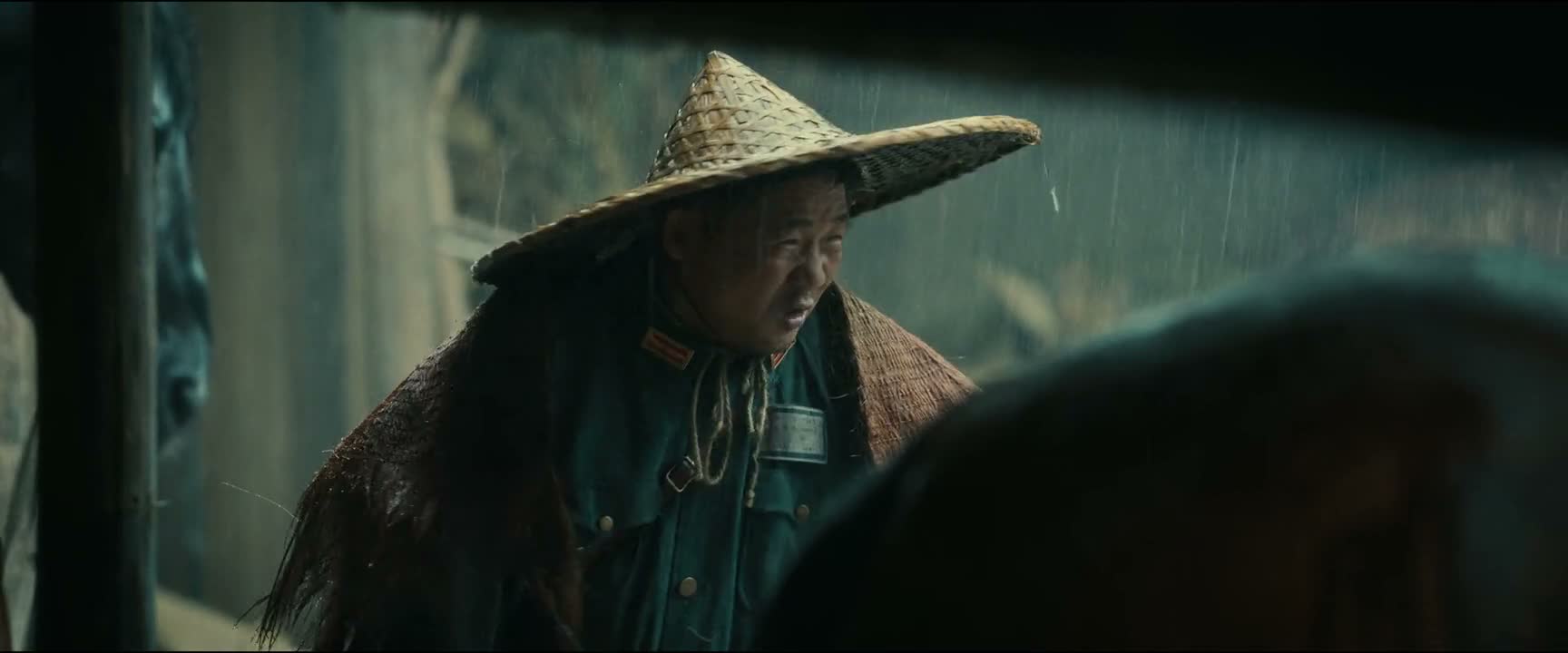
“What exactly are you thinking?”

“What are you thinking?”

“Go on. Do you know what I was thinking?”

“I realized it is what it is.”

“You know how I feel.”