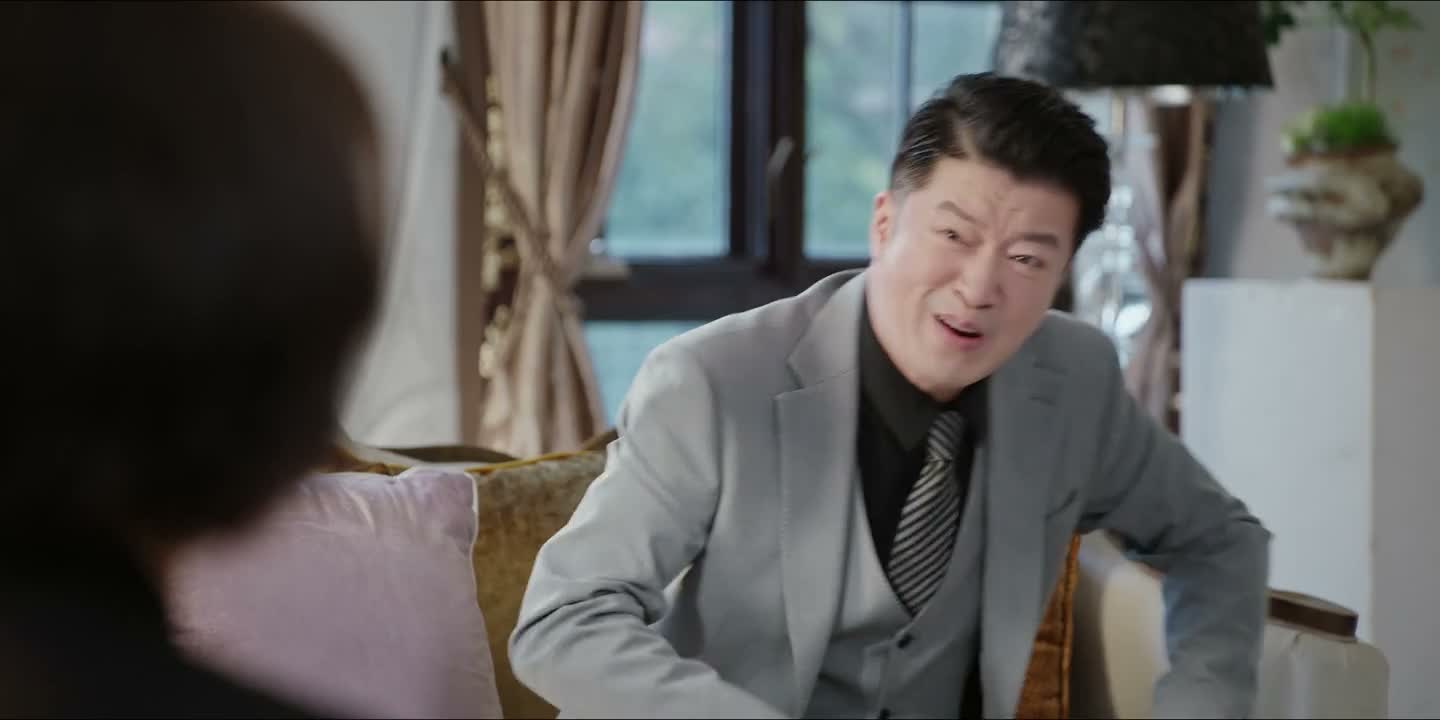
你之前怎么跟我说的来着
“What did you say to me before?”
THE DIALOGUE REEL
这不像是你问的问题啊
“That doesn't sound like something you'd ask.”
你之前 怎么跟我说的来着
“What did you say to me before?”
这男人呀
“Men...”
“Remind me of that principle you told me earlier about men.”
Friends or romantic partners in China often playfully test each other's memory of past shared philosophies or life rules during casual chats.
LEARNING CHUNKS & PARTICLES
what did you say to me
A natural way to quote or ask someone to repeat what they previously stated to you.
again (used at the end of a sentence to recall forgotten past information)
Attach at the end of questions when trying to retrieve a piece of information from memory.
Functions as a sentence-final marker indicating the speaker is trying to recall a past event or statement.
VOCABULARY & EXPRESSIONS
Parallel Spoken Cinema Scenes (语义近邻切片)

“Why did you just interrupt me back there?”

“Why are you suddenly telling me this?”
“Then why did you only tell me now?”

“But why did he tell you first?”