MC
MandarinClips Cinema Corpus
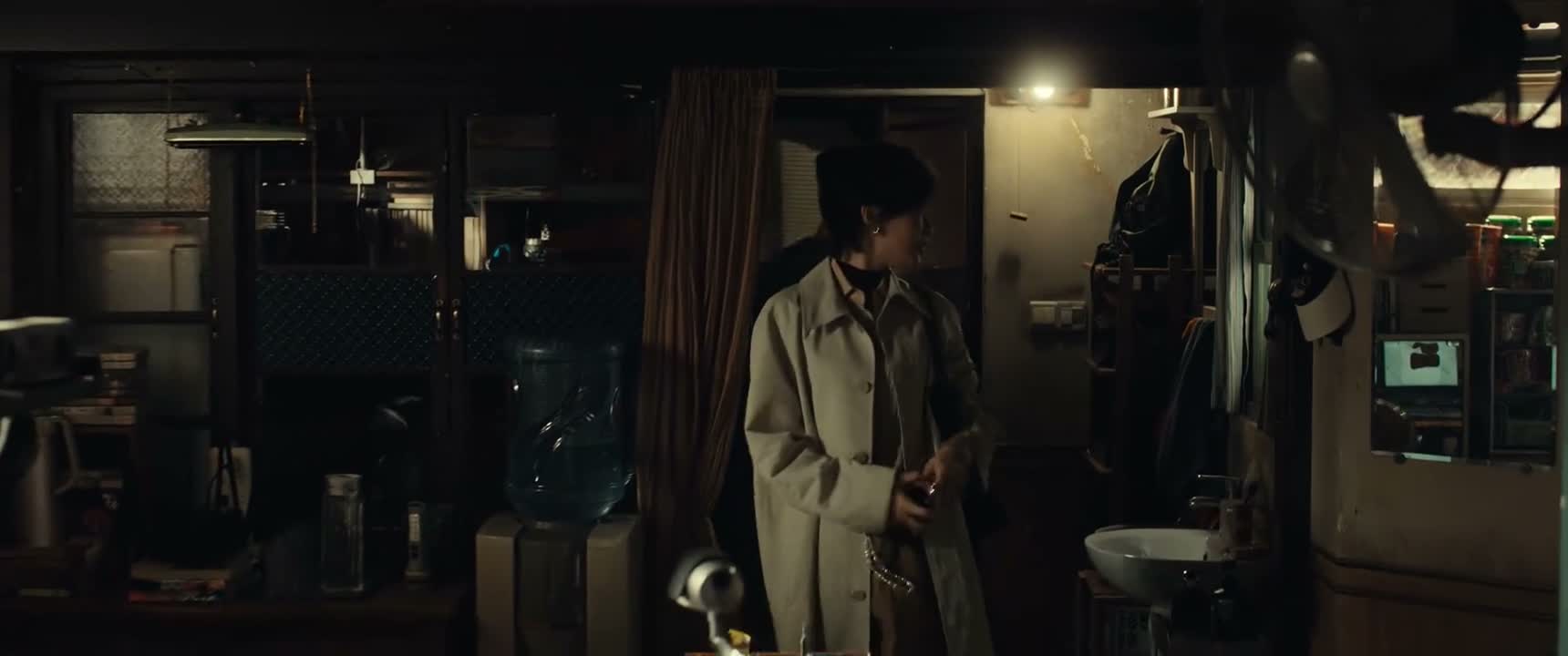
《Love Story in the 1970s》 S1·E19 (25:59) HSK 6
zhè piān wén zhāng míng míng shì wǒ xiě de

这篇文章明明是我写的

“I wrote this article.”

《Love Story in the 1970s》 S1·E19
TIMECODE: 25:59 · 1080P MASTER AUDIO

THE DIALOGUE REEL

1+1+1 SPOKEN CONTINUITY
[-1] PREVIOUS TURN shén me yì si

什么意思

“What do you mean?”

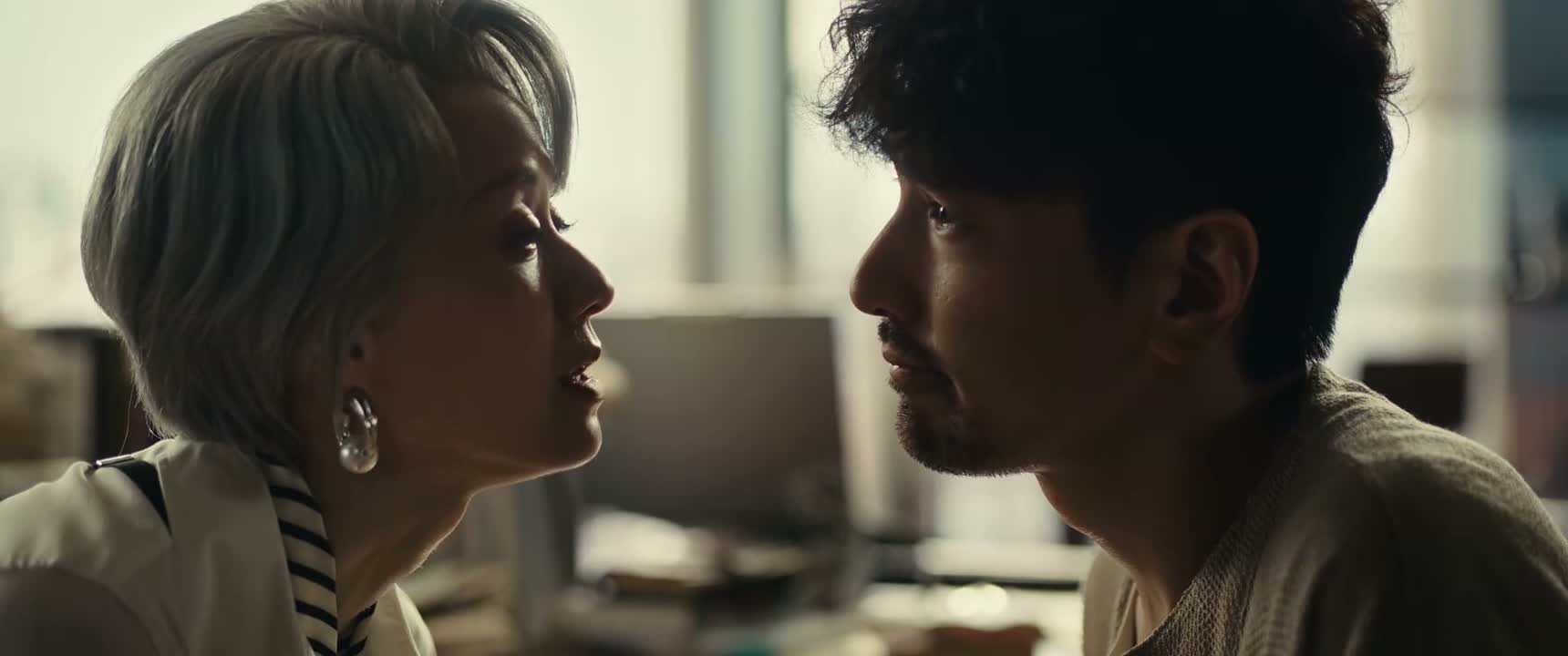
zhè piān wén zhāng míng míng shì wǒ xiě de CURRENT FOCUS

这篇文章 明明是我写的

“I wrote this article.”

[+1] FOLLOW-UP TURN wèi shén me shǔ míng shì nǐ

为什么署名是你

“Why is your name on it?”

Subtitles synced to millisecond timecode Browse Show Clips →
Scene: Crisis & Conflict
Function: CLAIMING OWNERSHIP
Tone: CONFRONTATIONAL
Emotion: ANGER
WHAT THEY REALLY MEAN (PRAGMATIC SUBTEXT)
“You know full well I wrote this, so stop acting innocent and admit you stole it.”
💡 Cultural Insight: Direct Confrontation vs. Face

While Chinese interpersonal communication often prioritizes harmony, the use of '明明' breaks courtesy norms to stage an explicit, righteous moral challenge.

INTENT TAGS: #accusation #indignation #claiming_rights #confrontation
🧩

LEARNING CHUNKS & PARTICLES

1 CHUNKS · 1 PARTICLES
明明是 SPOKEN CHUNK

obviously is / clearly is

Used to assert an undeniable fact in contrast to an opposing lie or false assumption.

Modal Particle「的」 (de) CHANGE OF STATE

Part of the 'shi... de' cleft construction, emphasizing the agent who performed the action (written by me).

🏮

VOCABULARY & EXPRESSIONS

1 EXPR · 0 GRAMMAR
CROSS-CINEMA CORPUS BOARD · PARALLEL SCENES

Parallel Spoken Cinema Scenes (语义近邻切片)
EXPLORE BY SEMANTIC SIMILARITY
《Love Story in the 1970s》 S1·E19 (25:59) · Authentic Cinema Dialogue Corpus