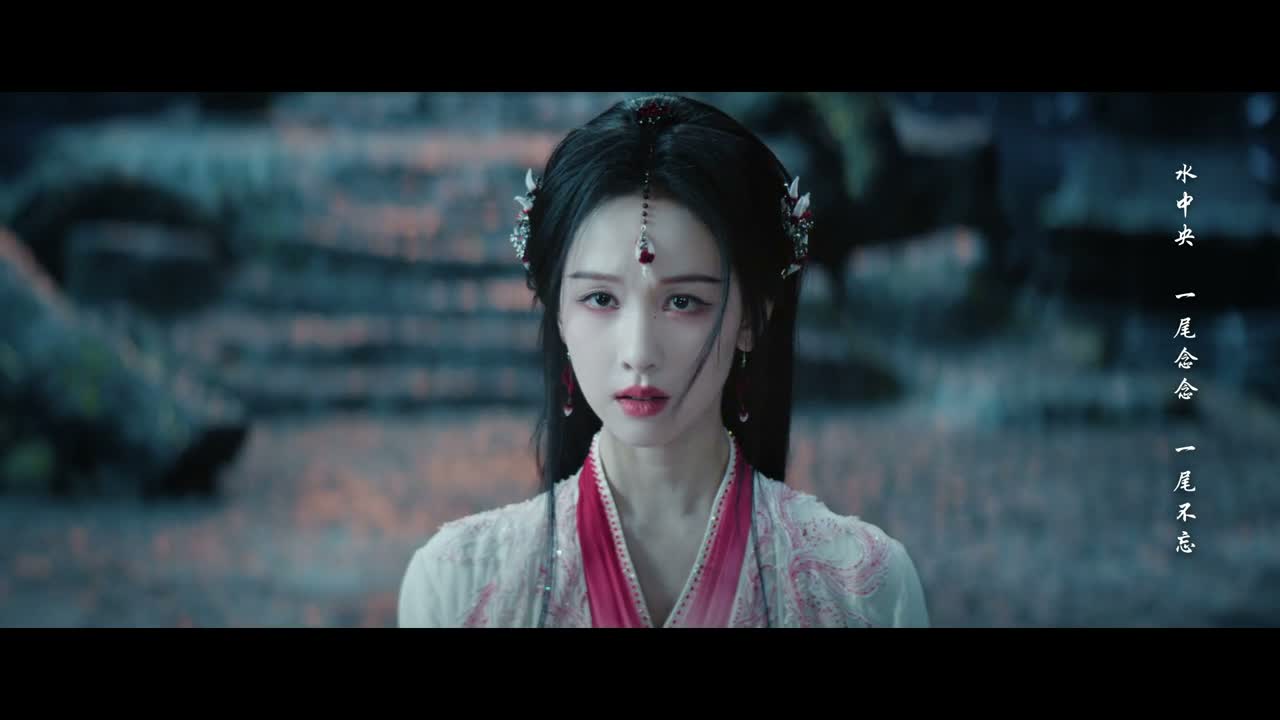
《Veil of Shadows》 S1·E15 (33:01)
HSK 6
nà nǐ wèi hé yǔ wǒ zhǎng dé yī yàng ?
那你为何与我长得一样?
“Then why do you look exactly like me?”
《Veil of Shadows》
S1·E15
TIMECODE: 33:01
·
1080P MASTER AUDIO
THE DIALOGUE REEL
[-1] PREVIOUS TURN
bú shì
不是
“No.”
nà nǐ wèi hé yǔ wǒ zhǎng dé yī yàng ?
CURRENT FOCUS
那你 为何 与我 长得一样 ?
“Then why do you look exactly like me?”
[+1] FOLLOW-UP TURN
nǐ cuò le
你错了
“You're wrong.”
Subtitles synced to millisecond timecode
Browse Show Clips →
Scene:
Crisis & Conflict
Function:
DEMANDING EXPLANATION
Tone:
CONFRONTATIONAL
Emotion:
CONFUSION
WHAT THEY REALLY MEAN (PRAGMATIC SUBTEXT)
“You say that's not true, but your face proves you are hiding something.”
💡 Cultural Insight: Doppelgängers and True Identity in Chinese Drama
Physical duplicates in Chinese fantasy or wuxia narratives often signify twin destinies, mirror spirits, or body-snatching, triggering urgent existential interrogations.
INTENT TAGS:
#interrogation
#suspicion
#challenging
#seeking_truth
🧩
2 CHUNKS · 0 PARTICLES
LEARNING CHUNKS & PARTICLES
为何
SPOKEN CHUNK
why; for what reason
A slightly formal or literary equivalent of 为什么, commonly heard in period dramas or solemn dialogue.
长得一样
SPOKEN CHUNK
look the same; have identical appearance
A standard conversational way to express physical resemblance between two people or things.
🏮
2 EXPR · 0 GRAMMAR
VOCABULARY & EXPRESSIONS
COLLOQUIAL EXPRESSIONS:
CROSS-CINEMA CORPUS BOARD · PARALLEL SCENES
EXPLORE BY SEMANTIC SIMILARITY
Parallel Spoken Cinema Scenes (语义近邻切片)
《Veil of Shadows》 S1·E15 (33:01) · Authentic Cinema Dialogue Corpus