MC
MandarinClips Cinema Corpus
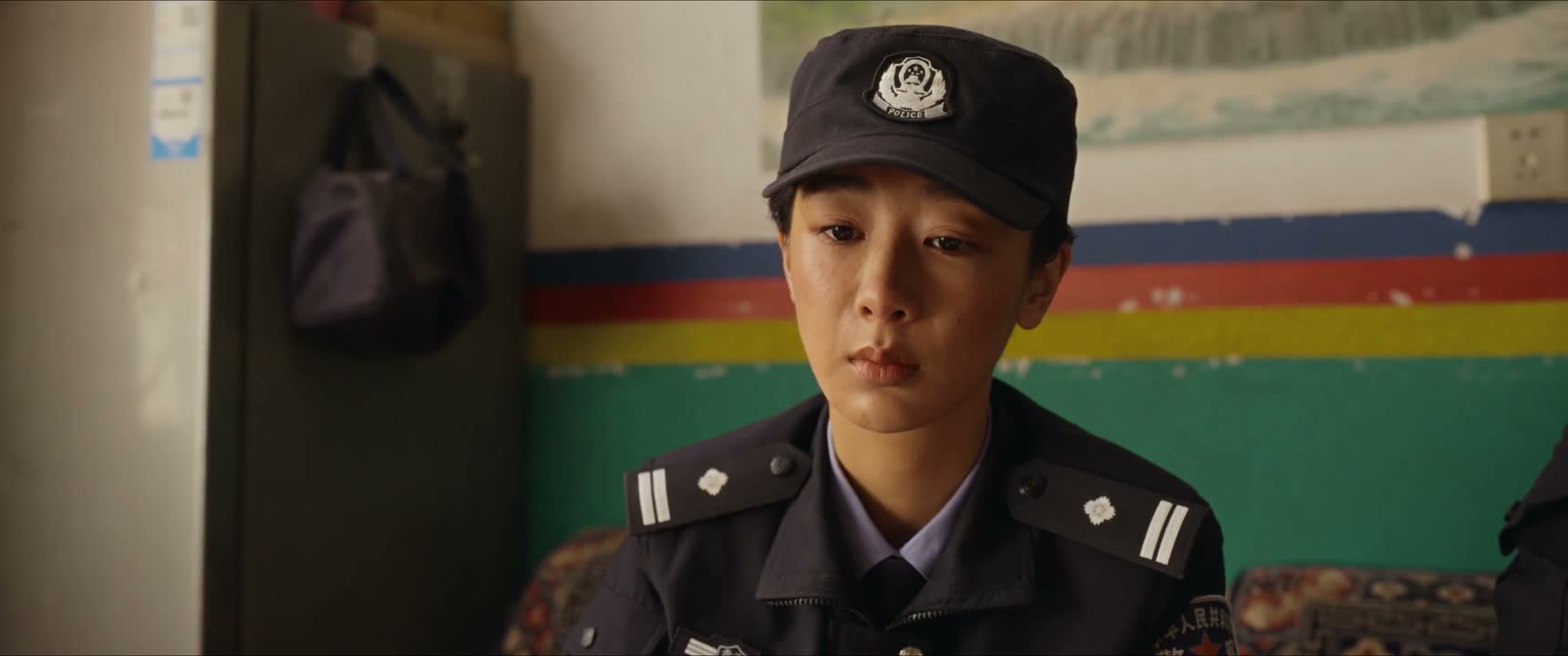
《Vanished Name》 S1·E20 (10:45) HSK 6
zhè shuí néng jì de zhù a duō jiǔ la

这谁能记得住啊 多久啦

“How could I remember? It was ages ago.”

《Vanished Name》 S1·E20
TIMECODE: 10:45 · 1080P MASTER AUDIO

THE DIALOGUE REEL

1+1+1 SPOKEN CONTINUITY
[-1] PREVIOUS TURN nǐ shá shí hòu tán de

你啥时候谈的

“When?”

zhè shuí néng jì de zhù a duō jiǔ la CURRENT FOCUS

这 谁能记得住 啊 多久啦

“How could I remember? It was ages ago.”

[+1] FOLLOW-UP TURN zán liǎ dà yī de shí hòu jiù rèn shí le wǒ zěn me bù zhī dào ne

“We have met since the freshman year. Why haven't I heard?”

Subtitles synced to millisecond timecode Browse Show Clips →
Scene: Social & Dating
Function: EVADING QUESTION
Tone: DEFLECTIVE
Emotion: DEFENSIVENESS
WHAT THEY REALLY MEAN (PRAGMATIC SUBTEXT)
“Stop prying into my old business; it happened ages ago and is none of your concern.”
💡 Cultural Insight: Deflection of Probing Romantic Questions

Close peers often grill each other on dating timelines, and invoking bad memory or elapsed time is a standard social buffer to guard privacy without creating conflict.

INTENT TAGS: #deflection #evasion #downplaying #self_defense
🧩

LEARNING CHUNKS & PARTICLES

2 CHUNKS · 2 PARTICLES
这谁能记得住啊 SPOKEN CHUNK

who could possibly remember this?

A classic rhetorical pattern used to brush off detailed questions about past events.

多久啦 SPOKEN CHUNK

it's been so long already!

Used exclamatorily to emphasize that an immense amount of time has passed since an occurrence.

Modal Particle「啊」 (a) CHANGE OF STATE

Conveys exasperation and underscores the rhetorical nature of the question.

Modal Particle「啦」 (la) CHANGE OF STATE

Fuses 'le' and 'a' to indicate elapsed time while maintaining an informal, conversational tone.

🏮

VOCABULARY & EXPRESSIONS

1 EXPR · 0 GRAMMAR
CROSS-CINEMA CORPUS BOARD · PARALLEL SCENES

Parallel Spoken Cinema Scenes (语义近邻切片)

EXPLORE BY SEMANTIC SIMILARITY
《Vanished Name》 S1·E20 (10:45) · Authentic Cinema Dialogue Corpus