MC
MandarinClips Cinema Corpus
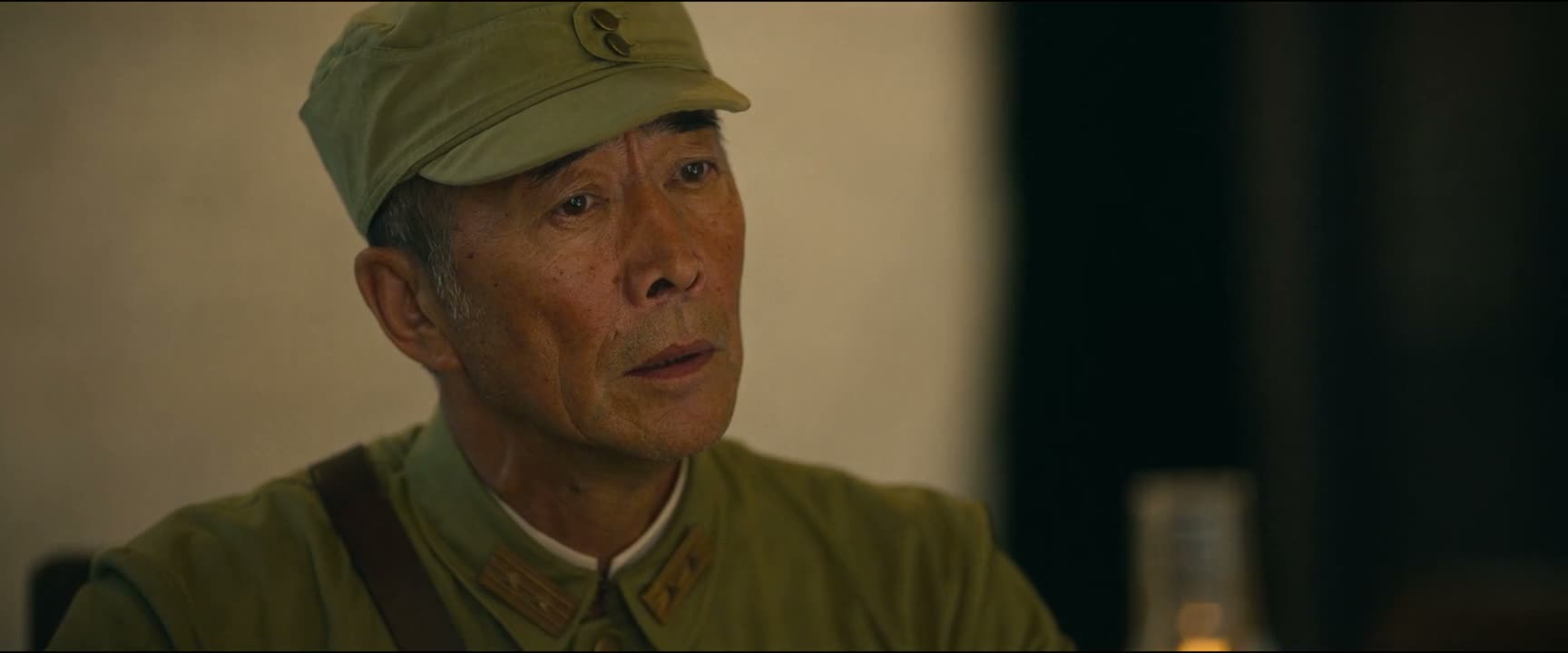
《Echoes of a Thousand Moons》 S1·E31 (15:54) HSK 7
dí jìn wǒ tuì dí zhù wǒ rǎo

敌进我退 敌驻我扰

“The enemy advances, we retreat; the enemy camps, we harass.”

《Echoes of a Thousand Moons》 S1·E31
TIMECODE: 15:54 · 1080P MASTER AUDIO

THE DIALOGUE REEL

1+1+1 SPOKEN CONTINUITY
[-1] PREVIOUS TURN yóu jī zhàn fǎ de shí liù gè zì

游击战法的十六个字

“sixteen-character formula for guerrilla warfare.”

dí jìn wǒ tuì dí zhù wǒ rǎo CURRENT FOCUS

敌进我退 敌驻我扰

“The enemy advances, we retreat; the enemy camps, we harass.”

[+1] FOLLOW-UP TURN dí pí wǒ dǎ dí tuì wǒ zhuī

“When the enemy is tired, we attack; when the enemy retreats, we pursue.”

Subtitles synced to millisecond timecode Browse Show Clips →
Scene: Crisis & Conflict
Function: RECITING GUIDELINES
Tone: INSTRUCTIVE
Emotion: CALM
WHAT THEY REALLY MEAN (PRAGMATIC SUBTEXT)

Direct spoken expression in this communicative setting.

💡 Cultural Insight: Sixteen-Character Formula

A deeply rooted cultural and historical military maxim formulated during China's revolutionary wars that shaped Chinese tactical philosophy across the 20th century.

INTENT TAGS: #instruction #doctrine #strategic_guidance #recitation
🧩

LEARNING CHUNKS & PARTICLES

2 CHUNKS · 0 PARTICLES
敌进我退 SPOKEN CHUNK

the enemy advances, we retreat

A classic four-character military axiom symbolizing calculated avoidance of a stronger foe's frontline.

敌驻我扰 SPOKEN CHUNK

the enemy camps, we harass

Part of Mao Zedong's famous sixteen-character guerrilla formula, used rhetorically to describe strategic harassment.
🏮

VOCABULARY & EXPRESSIONS

2 EXPR · 0 GRAMMAR
CROSS-CINEMA CORPUS BOARD · PARALLEL SCENES

Parallel Spoken Cinema Scenes (语义近邻切片)

EXPLORE BY SEMANTIC SIMILARITY
《Echoes of a Thousand Moons》 S1·E31 (15:54) · Authentic Cinema Dialogue Corpus