敌疲我打 敌退我追
“When the enemy is tired, we attack; when the enemy retreats, we pursue.”
THE DIALOGUE REEL
“The enemy advances, we retreat; the enemy camps, we harass.”
敌疲我打 敌退我追
“When the enemy is tired, we attack; when the enemy retreats, we pursue.”
“This is guerrilla warfare. Do you all understand?”
Direct spoken expression in this communicative setting.
These four-character rhyming couplets are foundational revolutionary doctrine in modern Chinese history and widely memorized.
LEARNING CHUNKS & PARTICLES
we attack when the enemy grows weary
A classic part of Mao Zedong's sixteen-character formula on guerrilla warfare, often quoted metaphorically.
we pursue when the enemy retreats
Paired with other tactical aphorisms to emphasize exploiting the adversary's withdrawal.
VOCABULARY & EXPRESSIONS
Parallel Spoken Cinema Scenes (语义近邻切片)
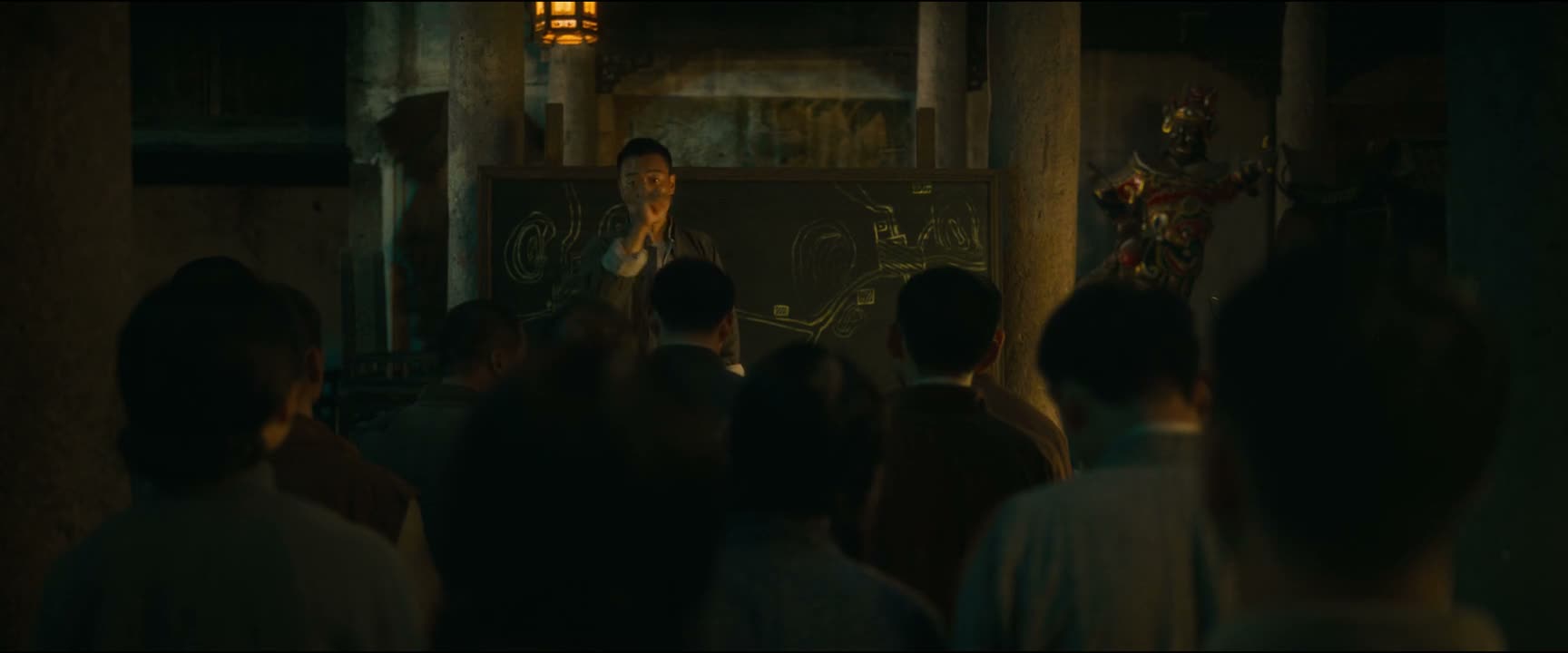
“The enemy advances, we retreat; the enemy camps, we harass.”
“He said, 'If the enemy is strong, we evade; if the enemy is weak, we attack.' As a result,”

“The army is defeated and exhausted. How can they fight again?”
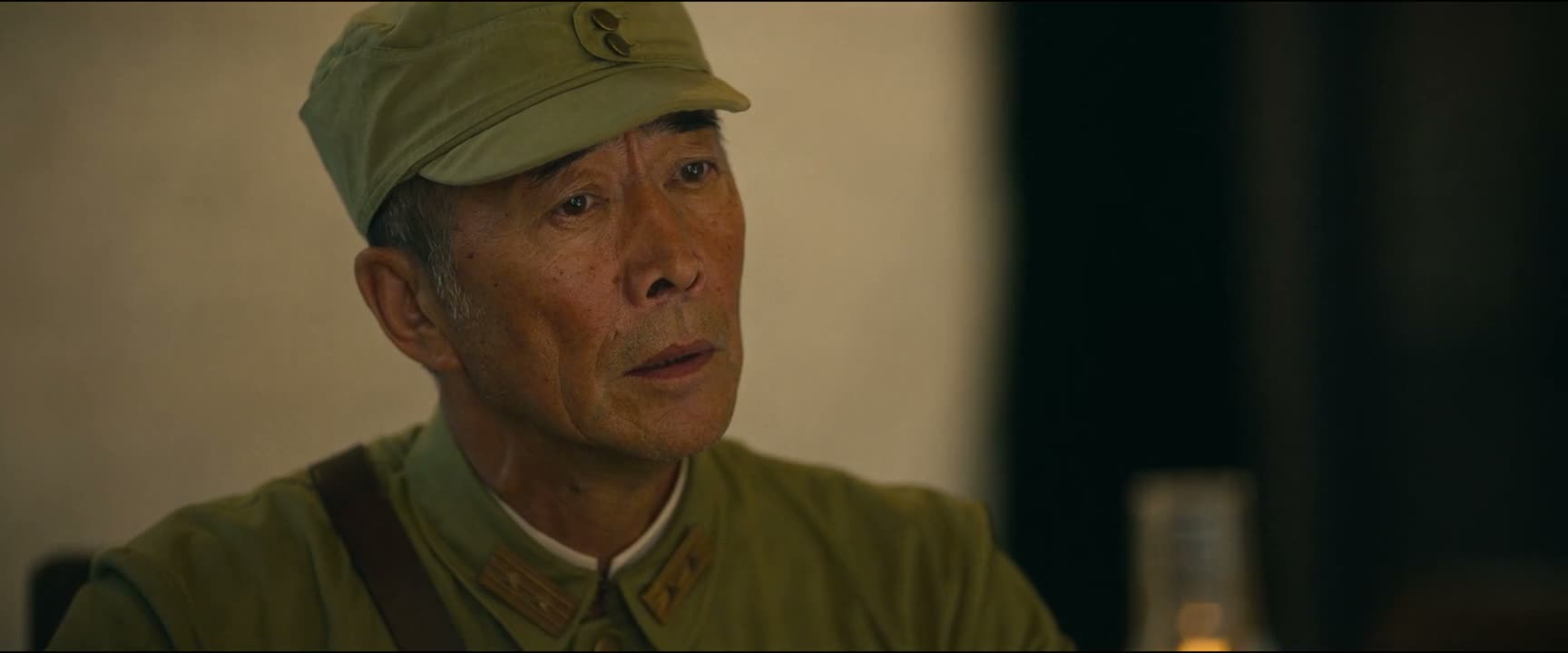
“will definitely underestimate us and advance rashly. I can pretend to retreat, lure the enemy in deep,”
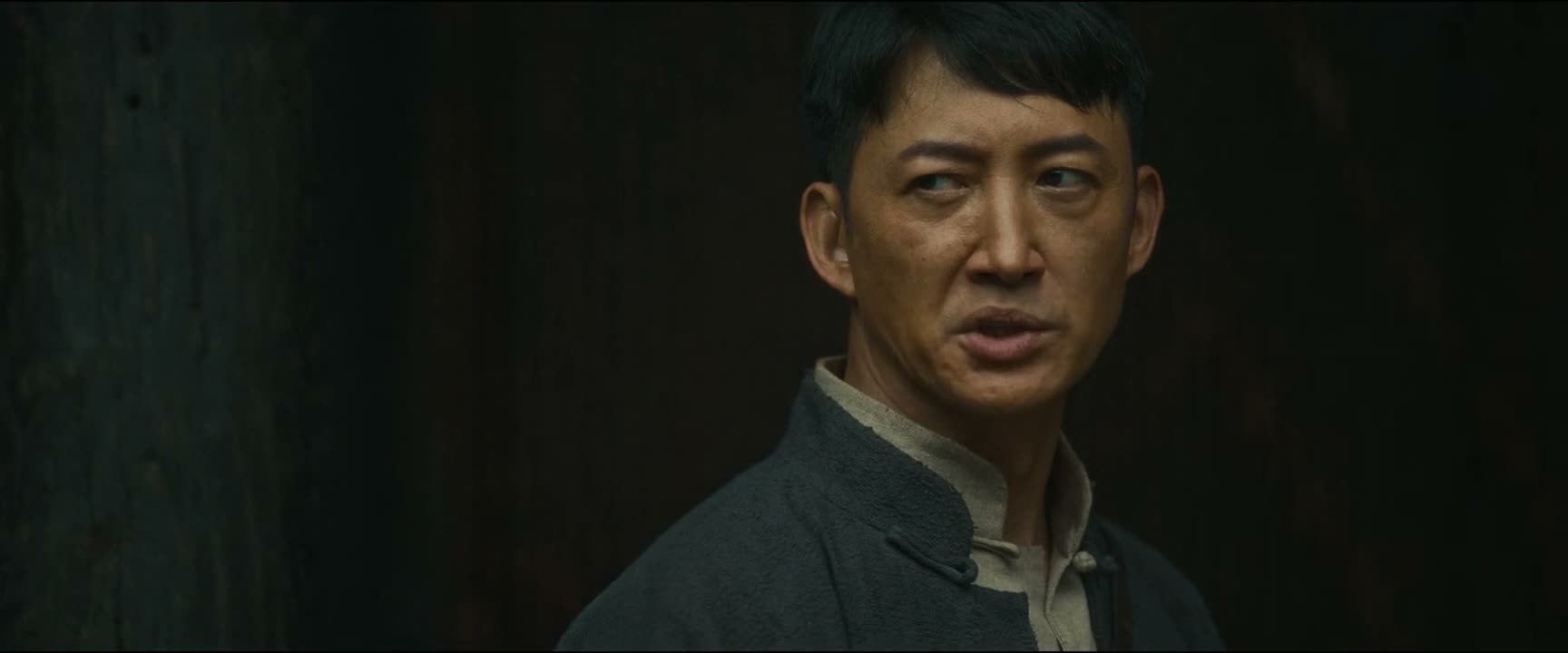
“Fight if you can win, run if you can't.”
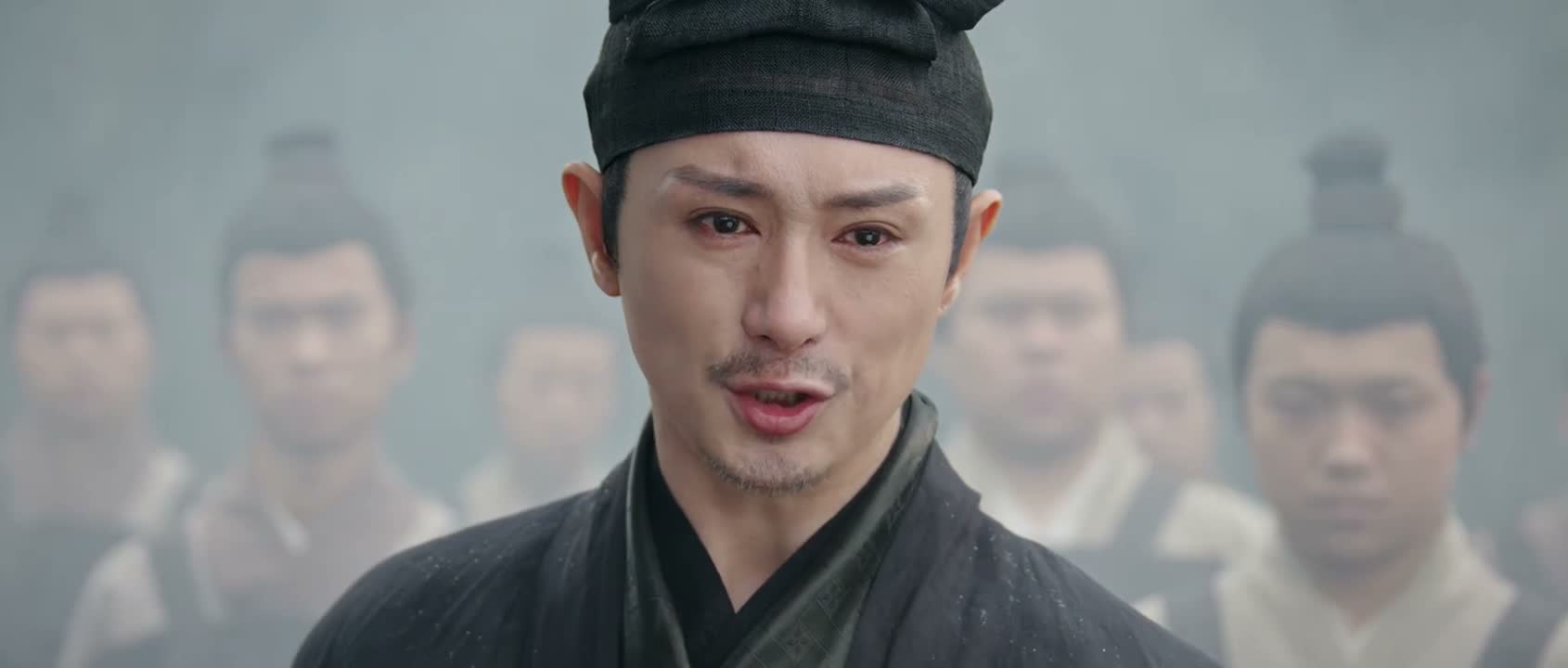
“Even though they were outnumbered,”