他说敌大则游 敌小则击 结果呢
“He said, 'If the enemy is strong, we evade; if the enemy is weak, we attack.' As a result,”
THE DIALOGUE REEL
“That day, I was with Ge Zhancheng talking about guerrilla warfare.”
他说 敌大则游 敌小则击 结果呢
“He said, 'If the enemy is strong, we evade; if the enemy is weak, we attack.' As a result,”
“the kids were singing this right next to him. No one knew who he was.”
“He was talking big about guerrilla tactics, and guess what happened right after?”
Chinese military strategy often condenses complex tactics into rhythmic, parallel four-character or three-character phrases so soldiers and civilians can easily memorize them.
LEARNING CHUNKS & PARTICLES
and as a result? / and guess what happened?
Used by a storyteller as a rhetorical transition to build suspense before revealing the outcome, or by a listener to prompt for the ending.
Creates a rhetorical pause in storytelling to hook the listener's attention before revealing the outcome.
VOCABULARY & EXPRESSIONS
Parallel Spoken Cinema Scenes (语义近邻切片)
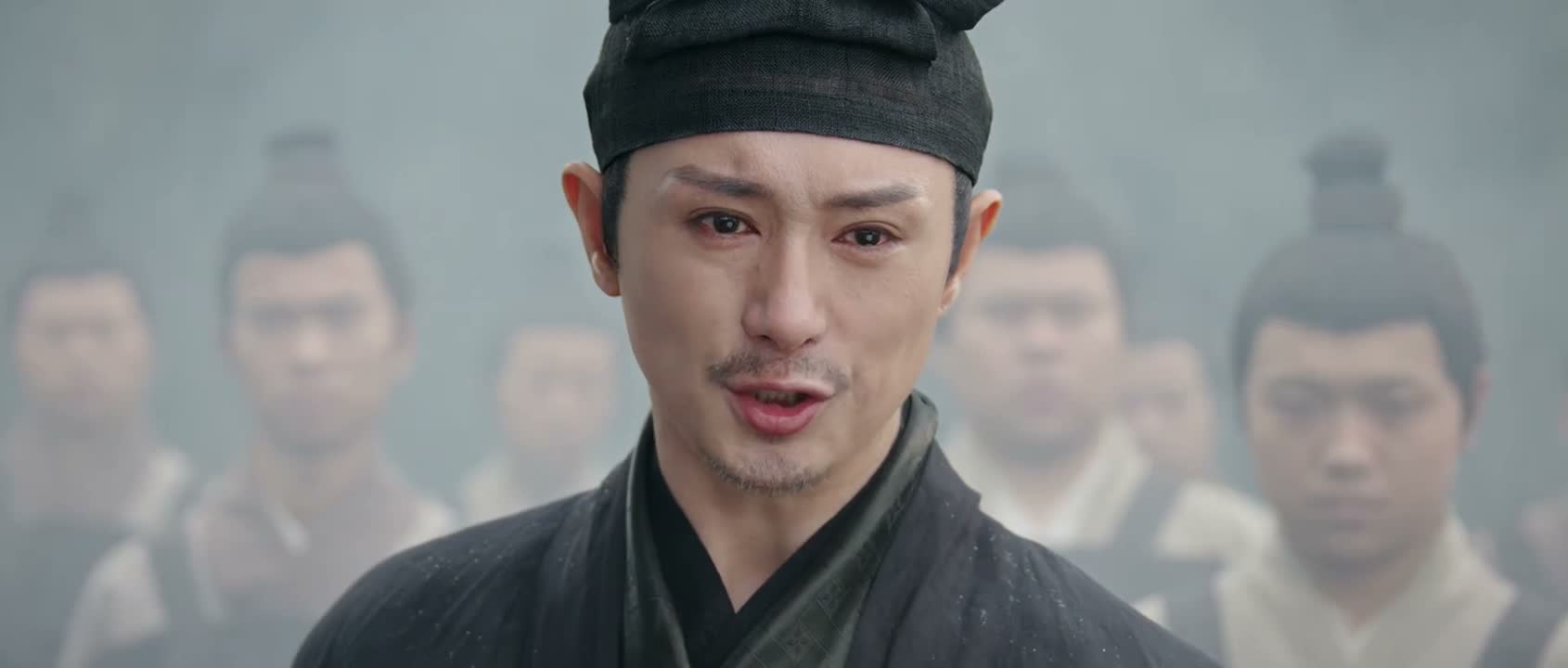
“Even though they were outnumbered,”
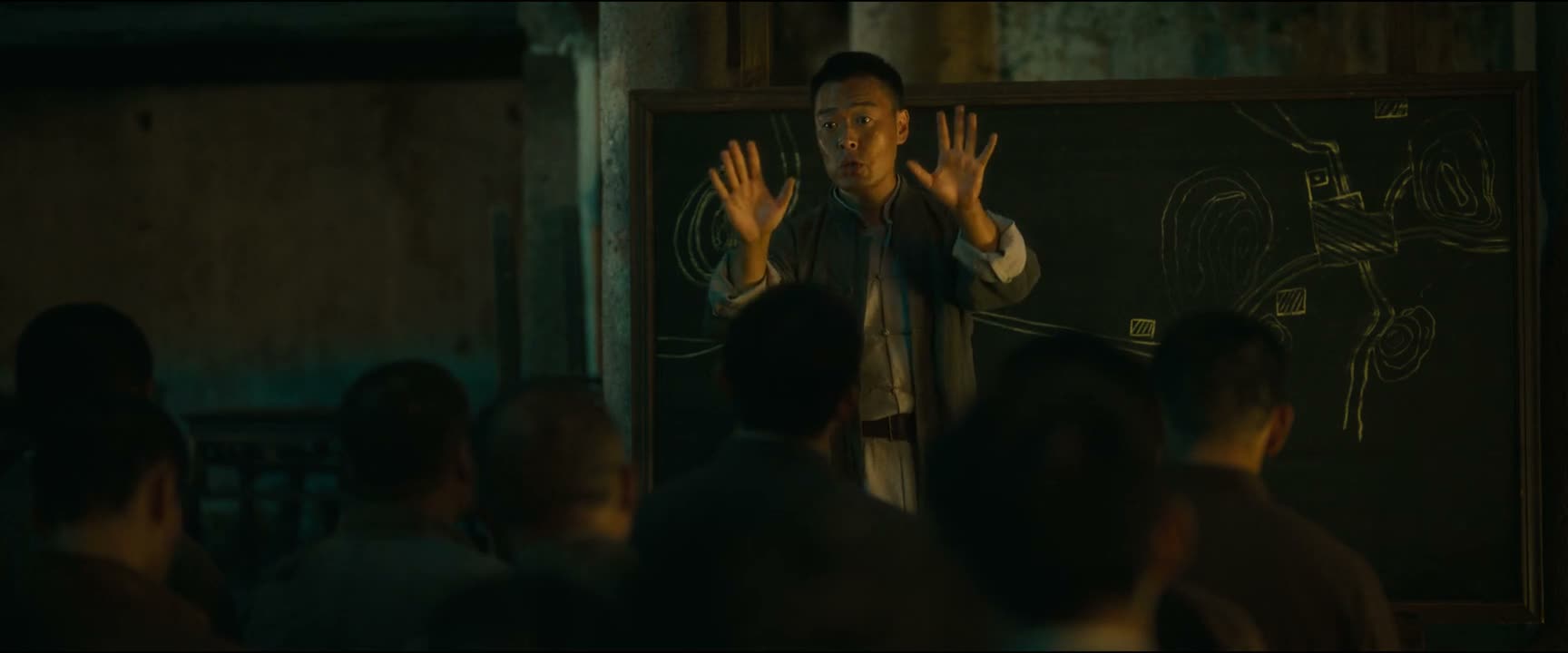
“This is guerrilla warfare. Do you all understand?”

“Our front-line forces are fighting outnumbered.”
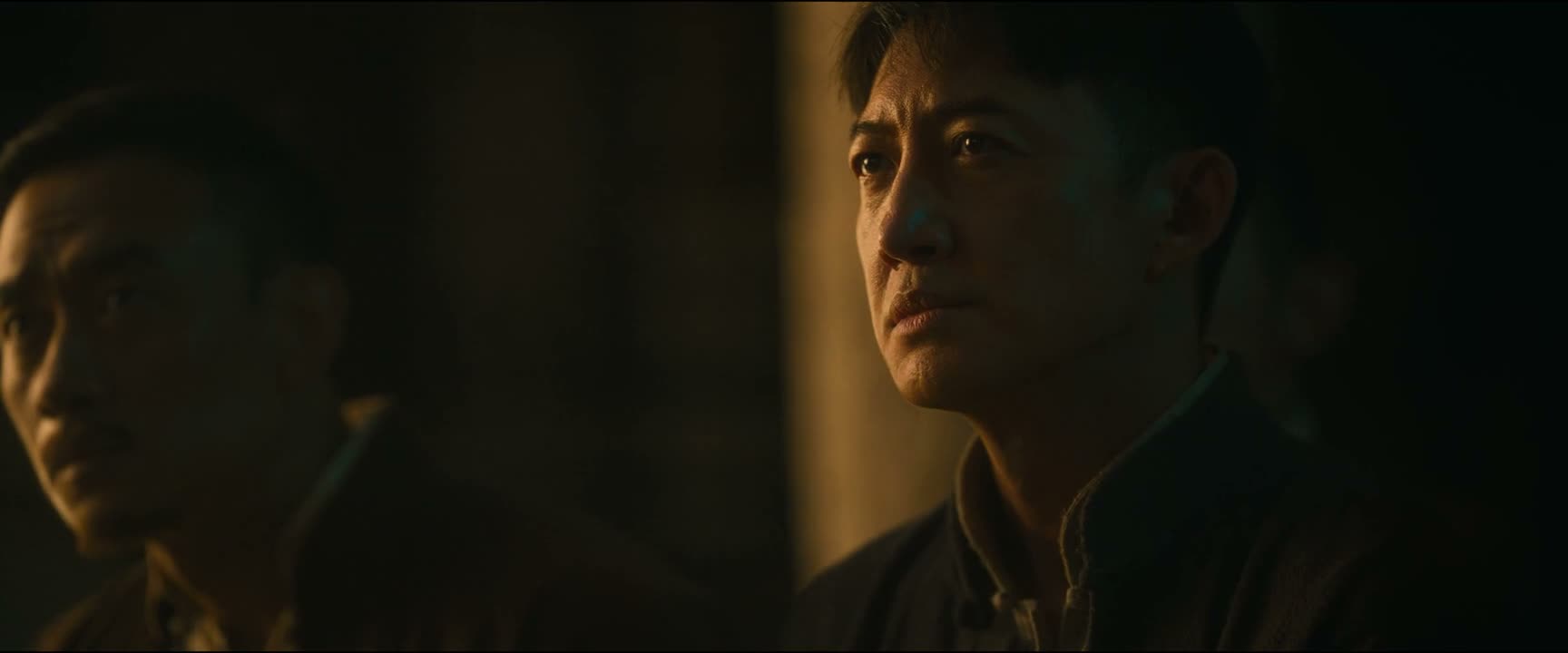
“When the enemy is tired, we attack; when the enemy retreats, we pursue.”

“A Stratagem Against the Enemy: Seize the Opportunity to Take the Sheep.”
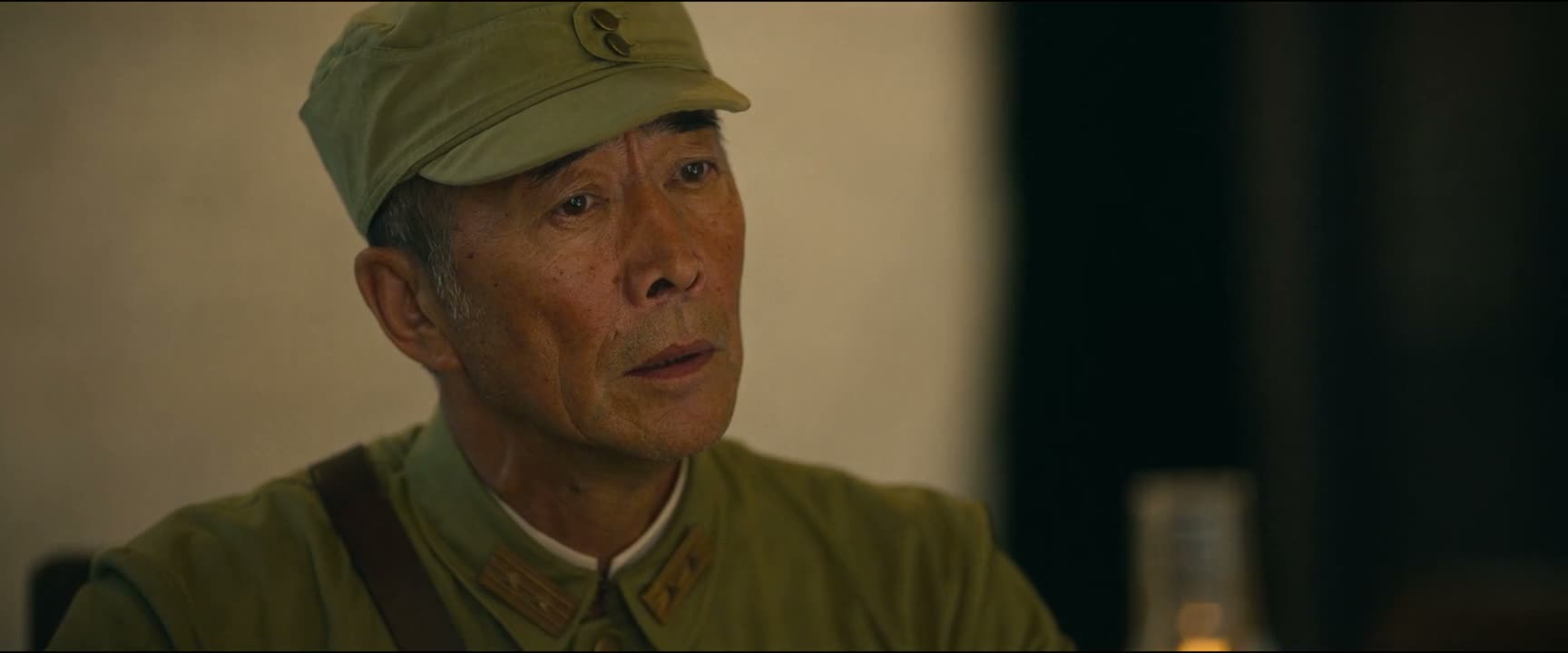
“will definitely underestimate us and advance rashly. I can pretend to retreat, lure the enemy in deep,”