打得赢就打 打不赢就跑
“Fight if you can win, run if you can't.”
THE DIALOGUE REEL
你教我的游击战窍诀是什么
“What was that guerrilla warfare rule you taught me before?”
打得赢就打 打不赢就跑
“Fight if you can win, run if you can't.”
那你记住了
“Then bear it in mind:”
Direct spoken expression in this communicative setting.
Originates from Mao Zedong's summary of the Red Army's guerrilla tactics ('di jin wo tui, di zhu wo rao, di pi wo da, di tui wo zhui' — 'when the enemy advances, we retreat; when the enemy camps, we harass; when the enemy tires, we attack; when the enemy retreats, we pursue'). It was colloquially popularized as 'da de ying jiu da, da bu ying jiu pao' ('fight if you can win, run if you cannot'), reflecting the strategic wisdom of avoiding enemy strengths and preserving vital forces.
LEARNING CHUNKS & PARTICLES
Fight if you can win, and retreat to preserve strength if you cannot; metaphorically refers to acting flexibly, assessing the situation sensibly, and avoiding reckless, stubborn confrontation.
Originating from guerrilla tactical principles, this colloquial expression is commonly used as vivid practical advice for navigating situations. It typically uses the paired conjunction pattern '... jiu ..., ... jiu ...' to form a symmetrical structure.
VOCABULARY & EXPRESSIONS
Parallel Spoken Cinema Scenes (语义近邻切片)

“If I can't win, at least I'll destroy the liver. [grunts]”
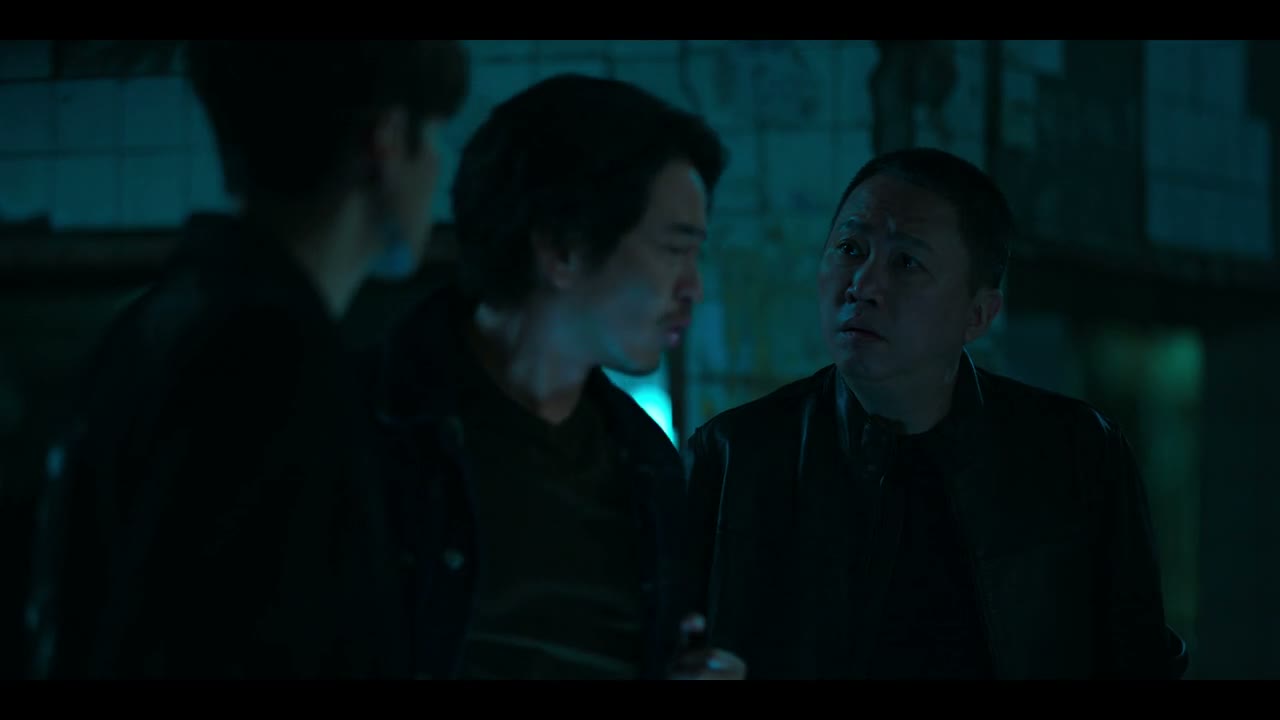
“At least I'll feel good shooting him.”

“No. You can't beat me anyway.”

“If you win, they're yours.”
“We won!”
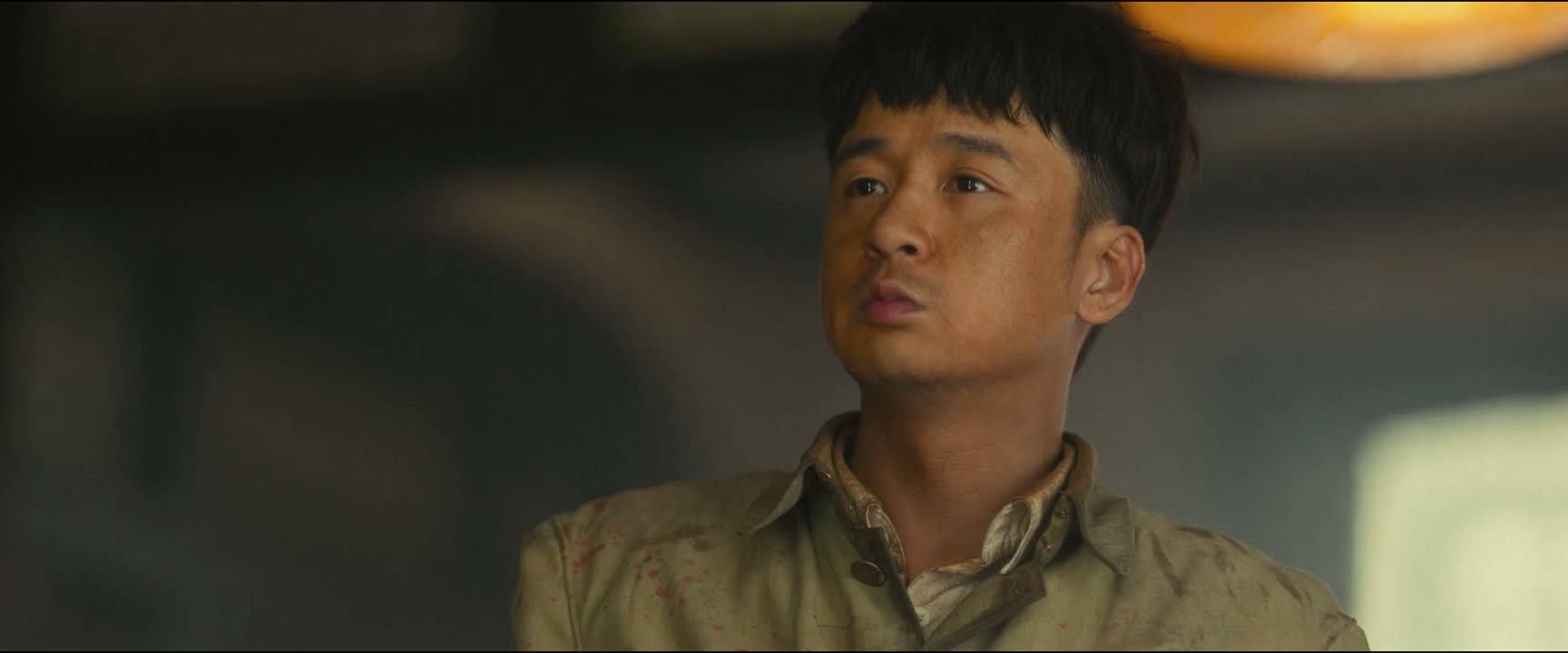
“We won.”