《The Lead》 S1·E23 (07:31)
HSK 5
xiǎo shí hòu de máo bìng dào lǎo le hái méi gǎi
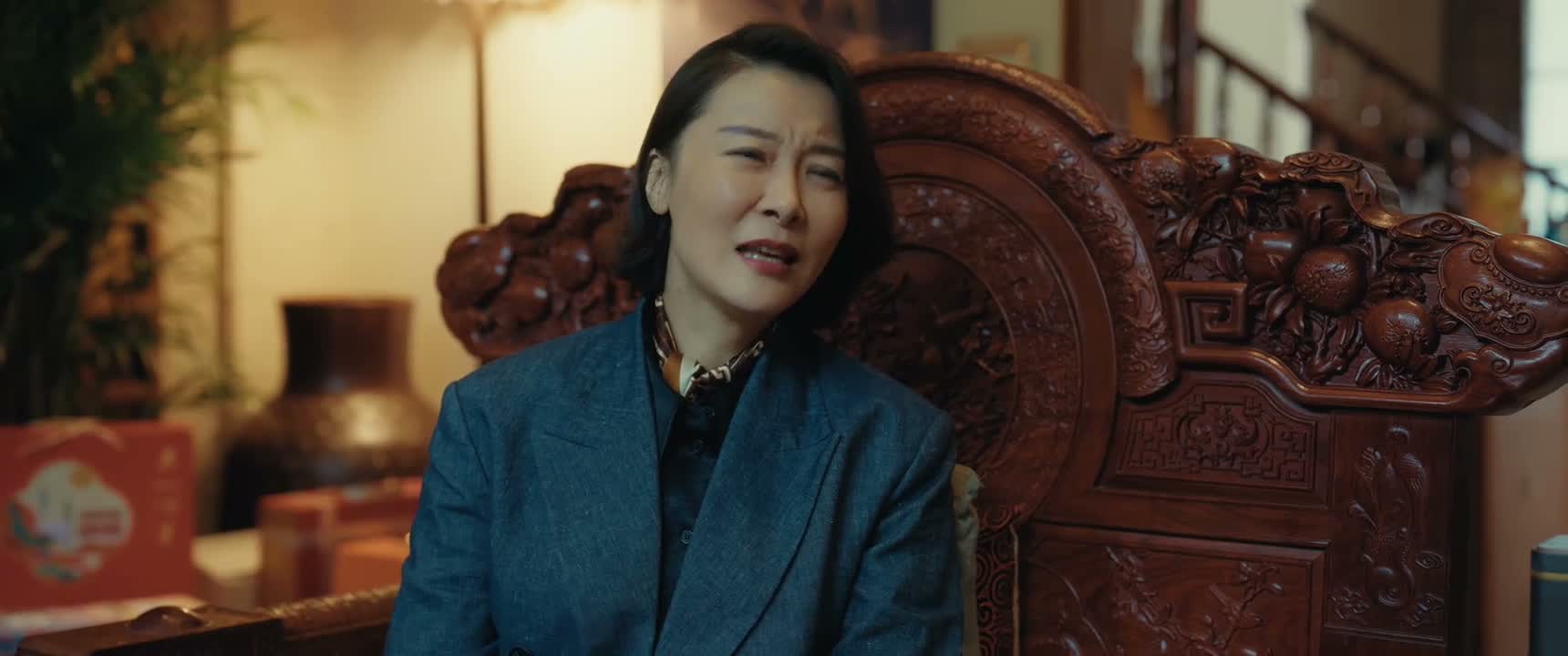
小时候的毛病 到老了还没改
“A childhood habit. You still haven't outgrown it.”
《The Lead》
S1·E23
TIMECODE: 07:31
·
1080P MASTER AUDIO
THE DIALOGUE REEL
[-1] PREVIOUS TURN
pāi wǒ yī xià
拍我一下
“Pat me on the back.”
xiǎo shí hòu de máo bìng dào lǎo le hái méi gǎi
CURRENT FOCUS
小时候的毛病 到老了还没改
“A childhood habit. You still haven't outgrown it.”
[+1] FOLLOW-UP TURN
bié jǐn zhāng
别紧张
“Don't be nervous.”
Subtitles synced to millisecond timecode
Browse Show Clips →
Scene:
Social & Dating
Function:
TEASING COMFORT
Tone:
TEASING
Emotion:
AFFECTION
WHAT THEY REALLY MEAN (PRAGMATIC SUBTEXT)
“You're still the exact same person you were as a kid, so stop acting so nervous around me.”
💡 Cultural Insight: Affectionate Teasing Among Lifelong Friends
In Chinese interpersonal dynamics, calling out an old flaw is often a marker of deep intimacy and history rather than genuine criticism.
INTENT TAGS:
#teasing
#reassurance
#banter
#easing_tension
🧩
2 CHUNKS · 1 PARTICLES
LEARNING CHUNKS & PARTICLES
小时候的毛病
SPOKEN CHUNK
childhood flaw or quirk
Used informally to describe longstanding personal habits or nervous quirks.
到老了还没改
SPOKEN CHUNK
still haven't changed even in old age
A familiar expression pointing out ingrained habits that persist across a lifetime.
Modal Particle「了」 (le)
CHANGE OF STATE
Signifies reaching an advanced life stage (growing old) in contrast with childhood.
🏮
2 EXPR · 0 GRAMMAR
VOCABULARY & EXPRESSIONS
COLLOQUIAL EXPRESSIONS:
CROSS-CINEMA CORPUS BOARD · PARALLEL SCENES
EXPLORE BY SEMANTIC SIMILARITY
Parallel Spoken Cinema Scenes (语义近邻切片)
《The Lead》 S1·E23 (07:31) · Authentic Cinema Dialogue Corpus