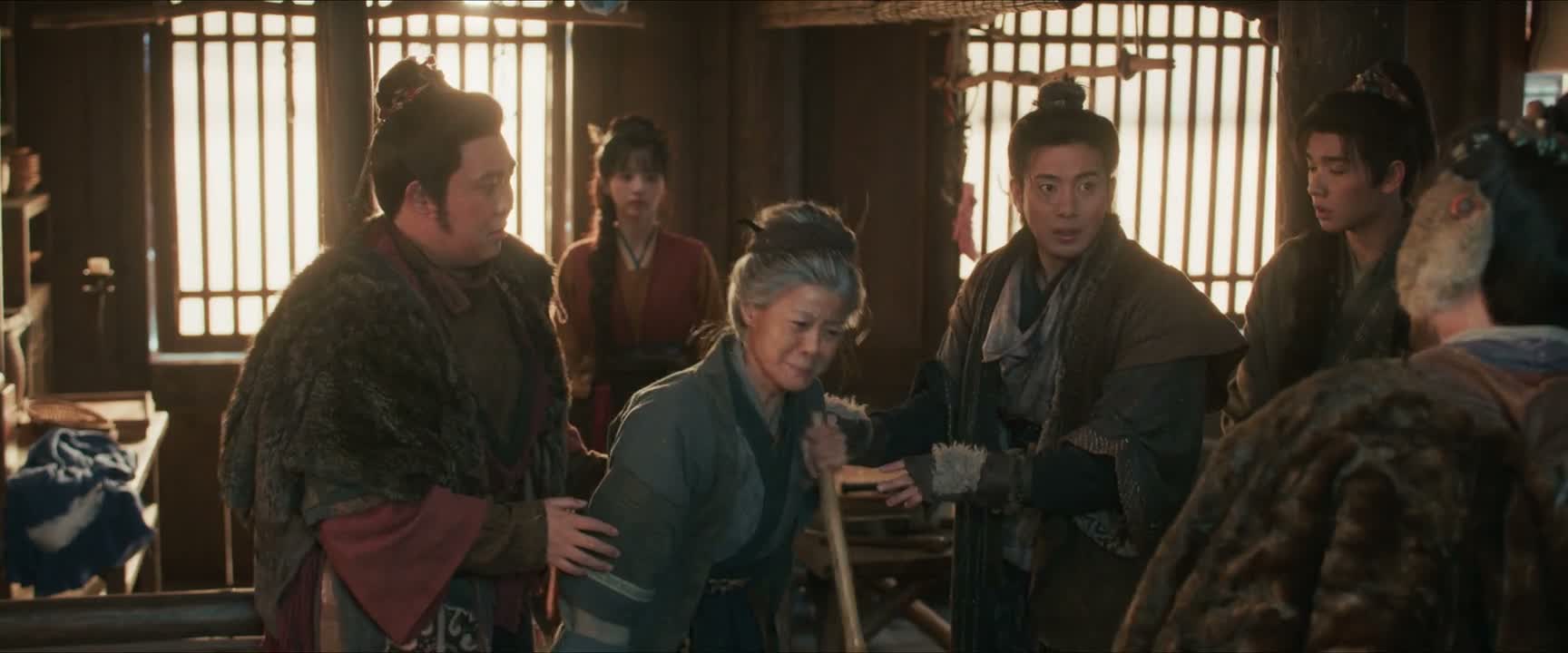
你的老毛病怎么就改不了呢
“why can't you break your old habits?”
THE DIALOGUE REEL
“You think I'm crazy? Xu Yuntian,”
你的 老毛病 怎么就 改不了 呢
“why can't you break your old habits?”
这么大的古斯特
“In a big company like GST,”
“You will never change, and I am completely sick of dealing with it.”
Labeling someone's actions as a recurring habit highlights deep personal familiarity while expressing hopelessness about their character growth.
LEARNING CHUNKS & PARTICLES
old bad habit / chronic shortcoming
Refers colloquially to a recurring flaw or behavioral pattern that annoys others.
why can't it just be fixed / why won't you change
A rhetorical expression conveying deep irritation toward repeated mistakes.
Enhances the rhetorical and questioning tone, emphasizing ongoing exasperation.
VOCABULARY & EXPRESSIONS
Parallel Spoken Cinema Scenes (语义近邻切片)
“Why can't you change?”

“Wasn't that enough for you to drop the bad habit?”

“A childhood habit. You still haven't outgrown it.”