MC
MandarinClips Cinema Corpus
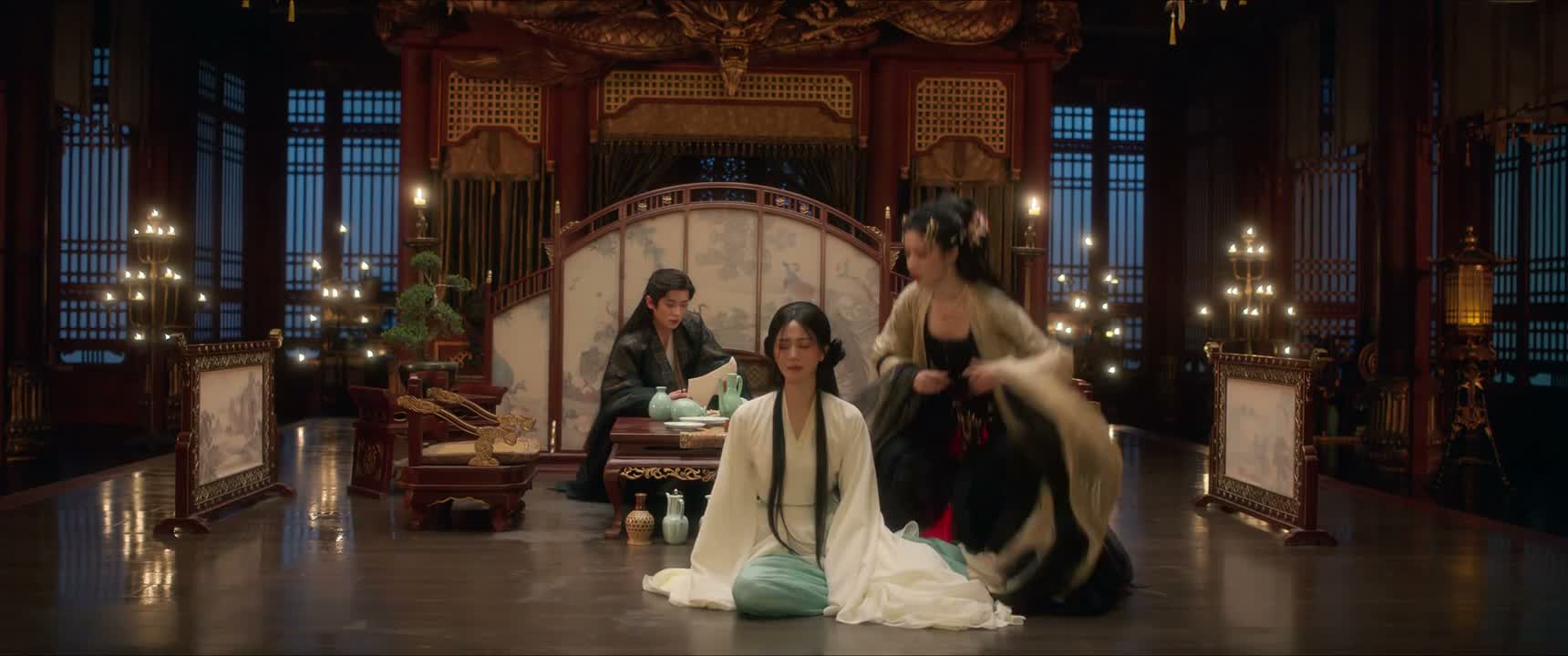
《The Glamorous Night》 S1·E23 (19:12) HSK 7
nǐ hài dé wǒ duō cǎn a

你害得我多惨啊

“Look how much you've hurt me!”

《The Glamorous Night》 S1·E23
TIMECODE: 19:12 · 1080P MASTER AUDIO

THE DIALOGUE REEL

1+1+1 SPOKEN CONTINUITY
[-1] PREVIOUS TURN nǐ zěn me nà me huài a

你怎么那么坏啊

“How could you be so awful?”

nǐ hài dé wǒ duō cǎn a CURRENT FOCUS

你 害得我 多惨啊

“Look how much you've hurt me!”

[+1] FOLLOW-UP TURN wǒ cuò le

我错了

“I was wrong.”

Subtitles synced to millisecond timecode Browse Show Clips →
Scene: Social & Dating
Function: BLAMING
Tone: ACCUSING
Emotion: GRIEVANCE
WHAT THEY REALLY MEAN (PRAGMATIC SUBTEXT)
“You really messed things up for me, now you owe me an apology and need to make it up to me!”
💡 Cultural Insight: Playful Guilt-Tripping (Sajiao)

In close Chinese relationships, speakers often use exaggerated accusations like 'you ruined me' not out of genuine hatred, but as an affectionate way to demand an apology or coaxing from their partner.

INTENT TAGS: #guilt_tripping #complaining #blaming #seeking_apology
🧩

LEARNING CHUNKS & PARTICLES

2 CHUNKS · 1 PARTICLES
害得我 SPOKEN CHUNK

caused me to / made me (suffer a negative outcome)

Followed by a resultative complement describing a bad situation; used to blame someone for a negative consequence, either seriously or playfully.

多惨 SPOKEN CHUNK

how miserable / how badly off

Used in exclamatory sentences to emphasize the severity of one's bad luck or suffering.

Modal Particle「啊」 (a) CHANGE OF STATE

Heightens the emotional intensity of the exclamation, making the complaint sound more dramatic and aggrieved.

🏮

VOCABULARY & EXPRESSIONS

1 EXPR · 0 GRAMMAR
COLLOQUIAL EXPRESSIONS:
CROSS-CINEMA CORPUS BOARD · PARALLEL SCENES

Parallel Spoken Cinema Scenes (语义近邻切片)

EXPLORE BY SEMANTIC SIMILARITY
《The Glamorous Night》 S1·E23 (19:12) · Authentic Cinema Dialogue Corpus