每一家的馒头味道都不一样
“Every family has a different taste.”
THE DIALOGUE REEL
这就是我老家兰陵的传统做法 戗面馒头
“This is the traditional method of Lanling, my hometown. Steamed dough.”
每一家的馒头味道 都不一样
“Every family has a different taste.”
你蒸的馒头
“The steamed buns you steamed”
Direct spoken expression in this communicative setting.
In Chinese food culture, staple homemade foods like steamed buns (mantou) are believed to carry the distinctive touch and temperament of the maker's household, transcending standardized recipes.
LEARNING CHUNKS & PARTICLES
every single household / family
Used when emphasizing variations, traditions, or habits that differ from home to home.
are all different; none are alike
A standard construction combining a plural subject with 都 and 不一样 to emphasize widespread diversity.
VOCABULARY & EXPRESSIONS
Parallel Spoken Cinema Scenes (语义近邻切片)

“My buns wouldn't be like this. I don't know why these are moldy.”

“These aren't my buns. What do you mean?”
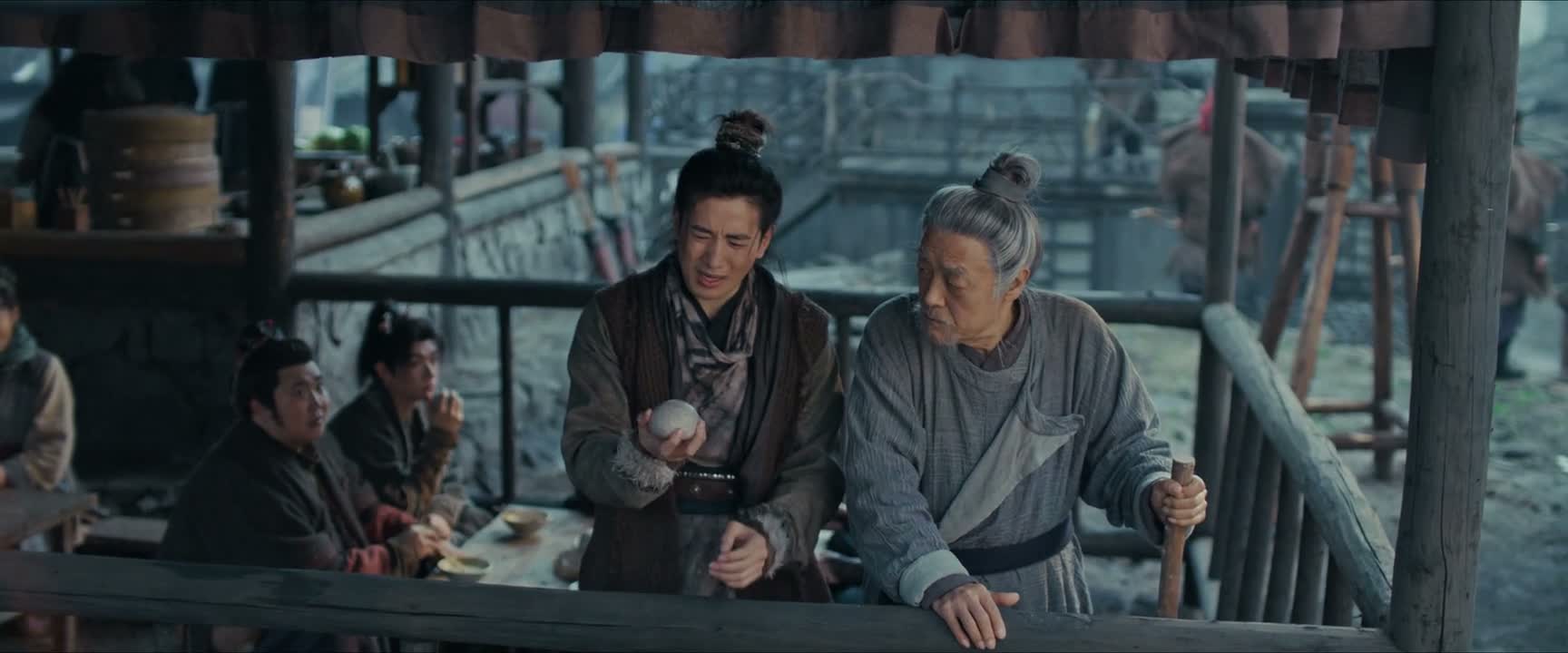
“the steamed buns don't even taste good.”
“than the steamed buns you've eaten.”

“They are. These are my buns. I don't know what's going on with these buns.”

“Ms. Ren, are you not making buns anymore? Why is all the flour gone?”