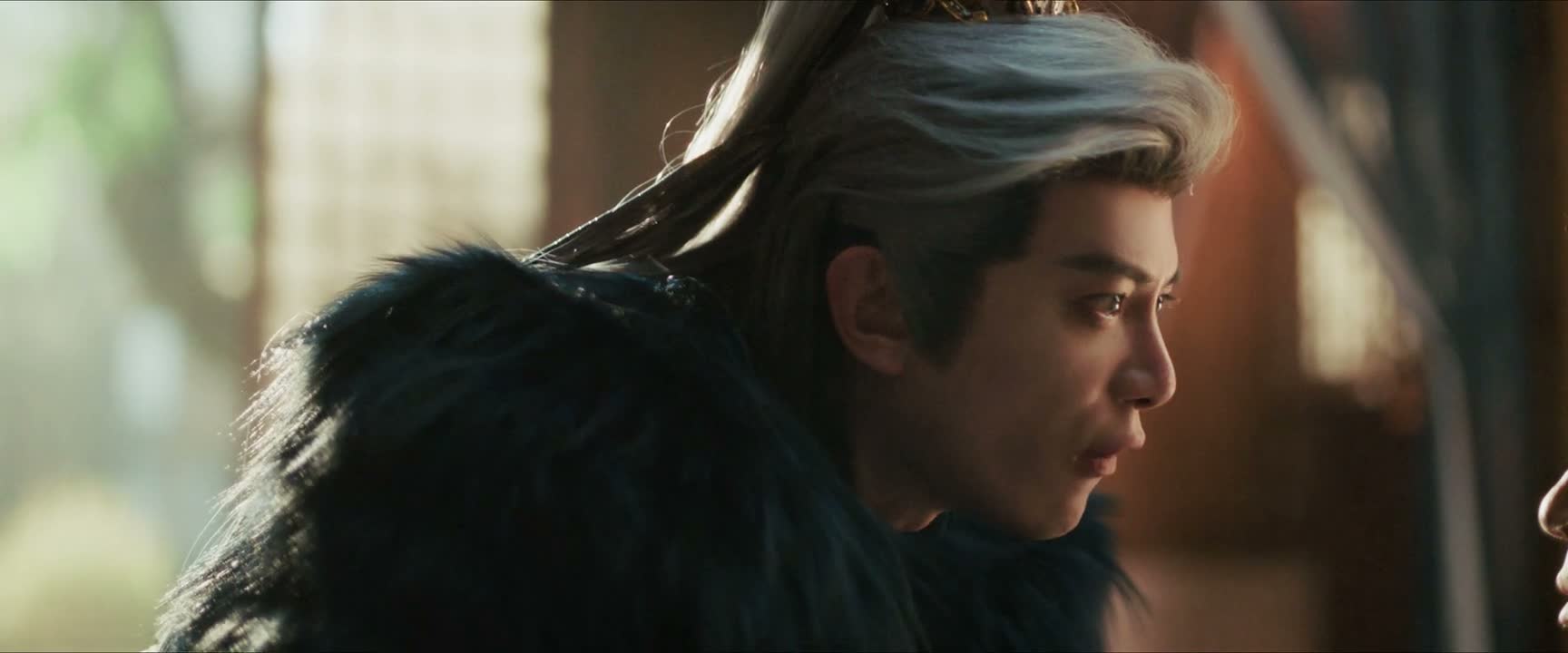
《Generation to Generation》 S1·E9 (30:53)
HSK 1
wǒ qiū rén jié
我邱人杰
“I can afford”
《Generation to Generation》
S1·E9
TIMECODE: 30:53
·
1080P MASTER AUDIO
THE DIALOGUE REEL
[-1] PREVIOUS TURN
wǒ kě jì wǎng bù jiù
我可既往不咎
“I can let bygones be bygones.”
wǒ qiū rén jié
CURRENT FOCUS
我邱人杰
“I can afford”
Subtitles synced to millisecond timecode
Browse Show Clips →
Scene:
Crisis & Conflict
Function:
ASSERTING IDENTITY
Tone:
RESOLUTE
Emotion:
PRIDE
WHAT THEY REALLY MEAN (PRAGMATIC SUBTEXT)
“I have too much pride to accept your petty mercy.”
💡 Cultural Insight: Jianghu Pride and Mianzi
In martial arts or traditional contexts, naming oneself boldly emphasizes personal honor and an unwillingness to compromise one's integrity.
INTENT TAGS:
#defiance
#self_assertion
#honor
CROSS-CINEMA CORPUS BOARD · PARALLEL SCENES
EXPLORE BY SEMANTIC SIMILARITY
Parallel Spoken Cinema Scenes (语义近邻切片)
《Generation to Generation》 S1·E9 (30:53) · Authentic Cinema Dialogue Corpus