MC
MandarinClips Cinema Corpus
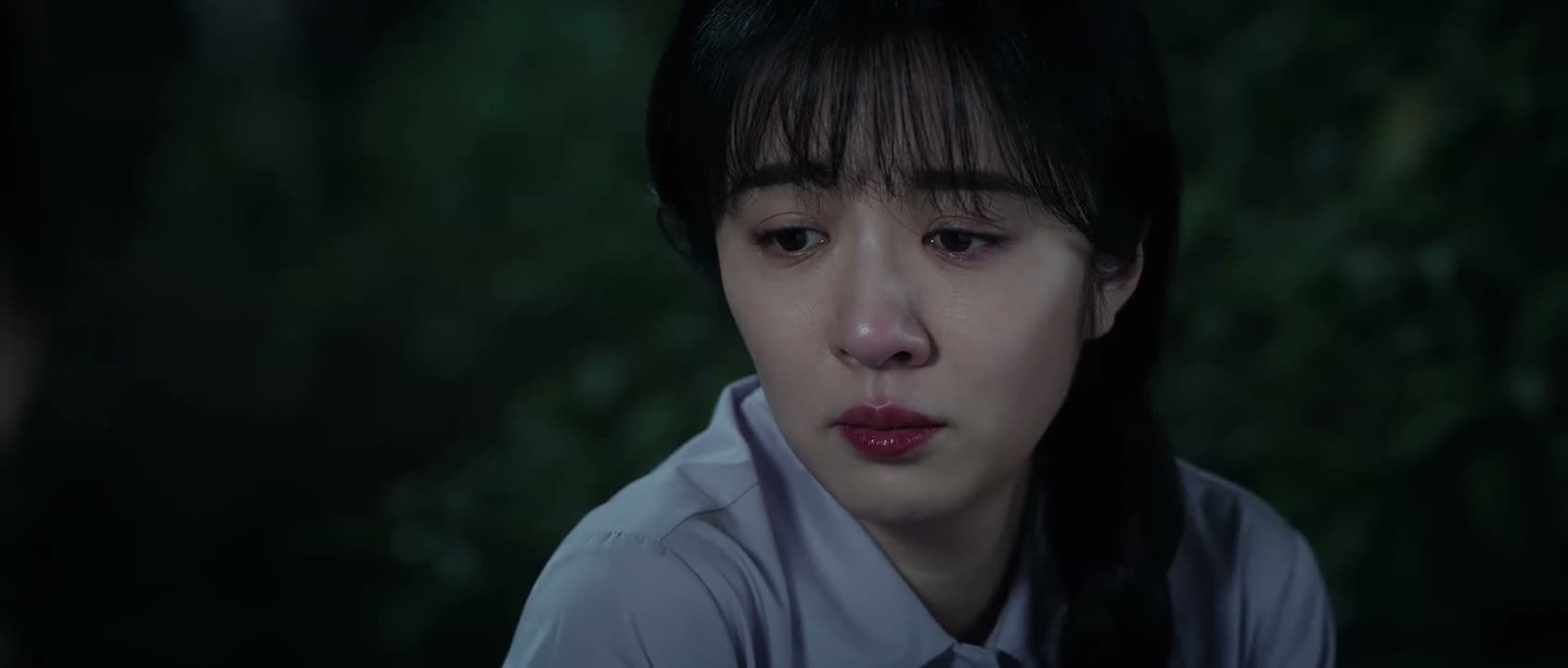
《The Lead》 S1·E3 (26:49) HSK 6
bǎo hù wǒ zì jǐ le zhè huà nǐ gēn wǒ shuō shá ne ma

保护我自己了 这话你跟我说啥呢嘛

“to protect myself. Why are you telling me this?”

《The Lead》 S1·E3
TIMECODE: 26:49 · 1080P MASTER AUDIO

THE DIALOGUE REEL

1+1+1 SPOKEN CONTINUITY
[-1] PREVIOUS TURN nà wǒ yòu méi yǒu rén gěi wǒ bǎo hù suǒ yǐ ne wǒ zhǐ néng yòng zhè zhǒng fāng shì

那我又没有人给我保护 所以呢 我只能用这种方式

“No one was looking out for me. So, I had no choice but to do it this way”

bǎo hù wǒ zì jǐ le zhè huà nǐ gēn wǒ shuō shá ne ma CURRENT FOCUS

保护我 自己 了 这话你跟我说啥呢嘛

“to protect myself. Why are you telling me this?”

[+1] FOLLOW-UP TURN nǐ jiào wǒ zǎ nòng

“What do you expect me to do?”

Subtitles synced to millisecond timecode Browse Show Clips →
Scene: Crisis & Conflict
Function: DEFLECTING RESPONSIBILITY
Tone: DEFENSIVE
Emotion: FRUSTRATION
WHAT THEY REALLY MEAN (PRAGMATIC SUBTEXT)
“Why are you taking this out on me? There is nothing I can do about your situation.”
💡 Cultural Insight: Emotional Offloading and Boundaries

In close Chinese relationships, venting vulnerabilities can sometimes be perceived as passive-aggressive blame, prompting a defensive counter-reaction.

INTENT TAGS: #deflection #pushback #rhetorical_question #defensiveness
🧩

LEARNING CHUNKS & PARTICLES

1 CHUNKS · 3 PARTICLES
跟我说啥呢 SPOKEN CHUNK

why are you telling me this

A blunt rhetorical question used when someone complains to you about something you feel powerless or unwilling to solve.

Modal Particle「了」 (le) CHANGE OF STATE

Marks the completion of the quoted phrase or shifts the topic definitively.

Modal Particle「呢」 (ne) CHANGE OF STATE

Emphasizes the progressive, questioning tone in the rhetorical inquiry.

Modal Particle「嘛」 (ma) CHANGE OF STATE

Softens the rhetorical pushback slightly while asserting an obvious emotional complaint.
🏮

VOCABULARY & EXPRESSIONS

2 EXPR · 0 GRAMMAR
CROSS-CINEMA CORPUS BOARD · PARALLEL SCENES

Parallel Spoken Cinema Scenes (语义近邻切片)

EXPLORE BY SEMANTIC SIMILARITY
《The Lead》 S1·E3 (26:49) · Authentic Cinema Dialogue Corpus